


Filter by Categories
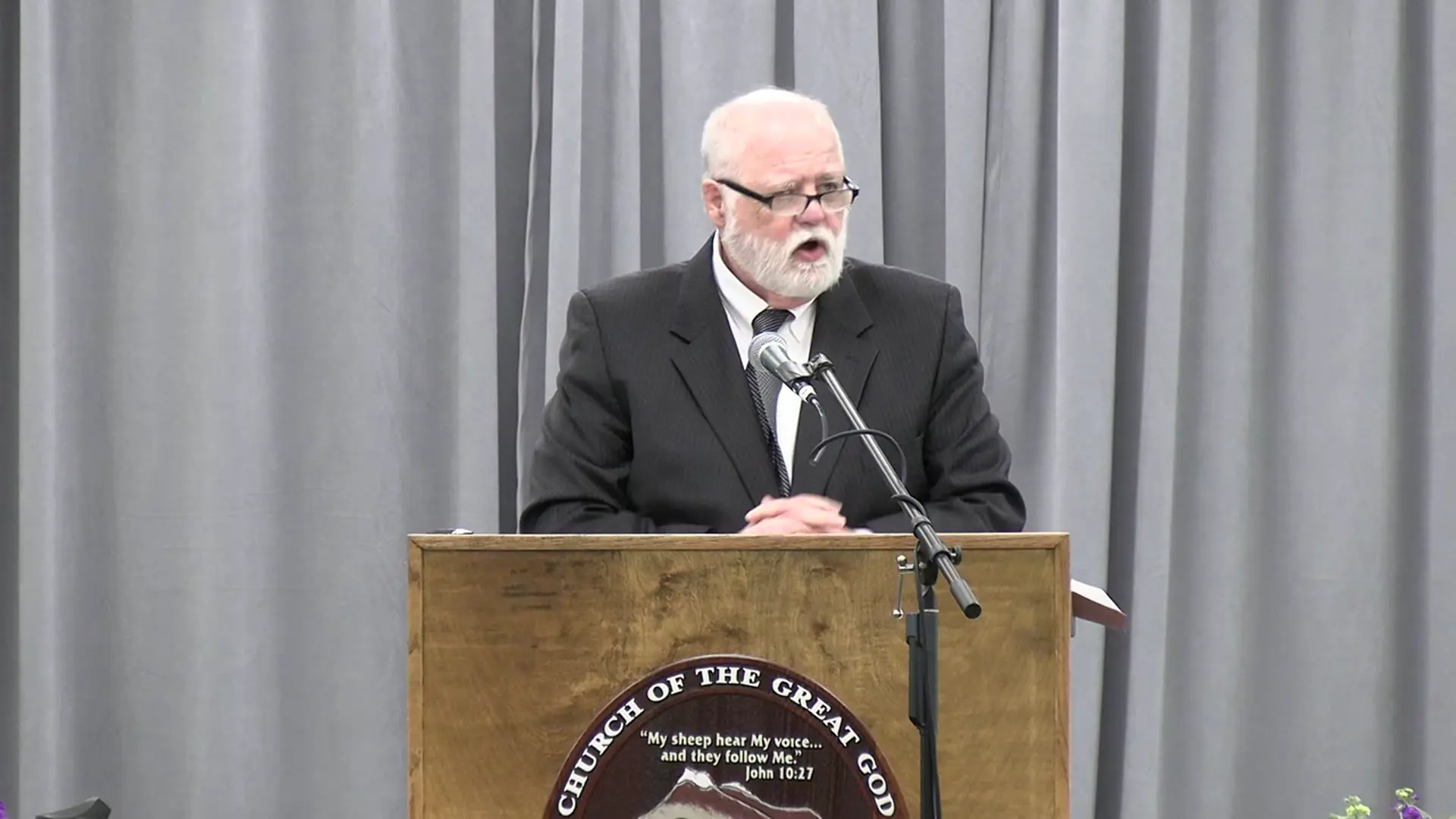
The Sentinels
Feast of Tabernacles Sermon by Ted E. BowlingThe guards at the Tomb of the Unknown Soldier exemplify a profound commitment to duty, performing their tasks with unwavering precision and respect, not for personal glory, but to honor those who have fallen. Their dedication persists through harsh conditions—rain, snow, or blistering heat—demonstrating that duty is their highest honor, as seen during storms when they refused to suspend their watch. This same sense of duty applies to our commitment to God, where our service is not for self-recognition but to bring glory to Him. Our path, like theirs, requires sacrifice and total dedication, understanding that sacrifice is not an option but a requirement to be holy as He is holy. Just as the tomb guards adhere to strict standards and live by a creed of vigilance and humility, we are called to a higher standard, to walk differently, and to remain vigilant in our spiritual battle through prayer, study, and fellowship. Our duty to God demands that we forsake personal glory for a higher purpose, serving in quiet honor and integrity, reflecting a selfless commitment to Him.
The Scepter, Duty, and the Days of Unleavened Bread
Sermon by Mark SchindlerGod has honored His promise to David that He would always provide a member of his family to sit on the throne of Judah. The heirs to David's scepter live today.
Beware of Faith Blockers!
Article by StaffThe principle of increasing faith hinges on fulfilling our duty with a specific attitude. Christ instructs us to strive to be as profitable as the servant described, performing all tasks without expecting recognition. We must adopt the sincere, humble stance of being unprofitable servants, acknowledging that we have merely done what was our duty to do. Humanly, we might feel entitled to credit for going beyond expectations, but such a notion does not apply in our relationship with God. We can never do enough to place God in our debt, for everything we have is received from Him, leaving no room for boasting. We owe God everything, as He has redeemed us through the precious blood of His Son. The Scriptures command us not to grow weary but to do good to all, for to know to do good and fail to do so is sin. In both planning and action, we decide the extent of our giving or efforts, but ultimately, every good deed we perform is our duty, as it lies within our power to accomplish. Taking credit for these acts as if they make us profitable to God leaves no basis for true faith, which must rest in Him alone.
Parable of the Unprofitable Servants
Bible Study by Martin G. CollinsWhen God calls us, we are bound by duty to serve Him with complete obedience, regardless of the trials we face. As servants, we must conquer our human nature through suffering, just as Jesus did, enduring continuous and difficult service with the right attitude. We belong to Christ, who bought us with His blood, and thus we are not our own; God owns us and all we have, demanding our total effort at all times. As His bondservants, we are at His disposal, with no right to ownership of anything, not even our time. Our duty as servants includes spiritual labor, akin to plowing fields and tending sheep, without expectation of immediate refreshment or compensation from the Master. Even after fulfilling initial tasks, we remain under obligation to serve further, satisfying the Master's needs before our own. From the Master's perspective, all we accomplish is a matter of obligation, and He demands additional obedience and service without delay or rest. We must present ourselves completely to Him in service. The limit to our duty is solely the Master's will; there is no point at which we can claim to have done enough or are entitled to ease. As servants, we are always debtors of service, and the Master is never a debtor of reward. We should not expect even thanks for our obedience, though we serve not for nothing but for the gift of salvation through dedicated and humble service. While God promises rewards, we serve Him because we are His to command as He wills and because we love Him, not merely to receive compensation. Even after performing our duty perfectly, we remain unprofitable servants in comparison to Christ, whose suffering and sacrifice surpass our efforts. There is no excess of earned credit in us; we cannot build anything on our own effort. If we expect thanks or reward for fulfilling the minimum requirement of work, our focus is not on duty but on personal gain. Christ expects every one of us to do our duty with a mind and will unified with His, embracing a humble, obedient, serving attitude that fosters faith and true forgiveness. Much of the service we perform for Him is humbling and obscure by worldly standards, yet it must be done in faith with steadfast, persevering obedience grounded in humility.
Lord, Increase Our Faith
Sermonette byFaith is a gift which requires continual practice and exercise. God will grant us more faith if we faithfully use what He has already given us.
Dedication is a Necessity
Commentary by John W. Ritenbaugh (1932-2023)There is a character quality essential for continuing service to God, a quality often overlooked or undervalued. This trait, devoted dedication to a cause, is vital for anyone living by faith. For Christians, the cause is God's cause, and Jesus admonishes in Luke 14 that representing Him must come before all else in life. To possess this dedication, one must have vision, understanding, courage, and humility. The Bible provides examples of such dedication. In I Chronicles 11:15-19, three of David's mighty men risked their lives to fetch water from Bethlehem for David during a battle, demonstrating their profound dedication to their commander. In Jeremiah 35, the Rechabites showed unwavering loyalty to a family principle by refusing wine, as commanded by their ancestor Jonadab, even after 200 years, highlighting their devoted dedication. God used their example to contrast the Jews' lack of loyalty to Him, pronouncing judgment on the Jews while promising that Rechab's family line would endure. In Luke 2, Simeon, described as just and devout, dedicated himself to waiting for the consolation of Israel, and it was revealed to him that he would see the Christ before his death. Similarly, Anna, at 84 years old, dedicated her life to serving God with fasting and prayers at the temple, night and day, after being widowed early in life. Another striking example of dedication is seen in the guards at the Tomb of the Unknowns in Arlington National Cemetery. These soldiers adhere to strict rules, committing years of their lives to guard the tomb under rigorous conditions, never wavering even during severe weather, viewing their duty as the highest honor. Their commitment raises the question of whether God asks too much of us to be dedicated to Him and His way.
Loyalty and Submission (Part 1)
Sermon by John W. RitenbaughIn marriage, loyalty, trust and subjection are demanded of both partners. If we are not loyal to God and life, we are automatically subject to Satan and death.
Are You a True Friend of Jesus Christ?
Sermon by Martin G. CollinsGod's faithfulness to His covenant obligates His people to respond with loyal duty. Because God is faithful, His people must answer with faithfulness to His commands, and the law of God is the way of faithfulness, so its commands are performed as a loyal response. Human loyalty to God is not a gracious act but a beautiful response to what He has done. Samuel told Israel to fear the Lord and serve Him in truth with all their heart, acting not merely from a principle of duty but from a conscientious sense of obligation, remembering the great things God has done. Without appreciation for what another has done, there can be no dedication or loyalty. The same duty holds between husband and wife and among brethren. Jesus' words "You are My friends if you do whatever I command you" make duty the proof of friendship: obedience must be active, not merely refusing evil but doing good in love, prayer, worship, and service; continuous, with no vacation from discipleship; and total, without picking and choosing. Hebrews 10 adds duties toward one another: draw near to God with a true heart, hold fast the hope without wavering, stir up love and good works, and not forsake assembling together. Perseverance is a community responsibility. Loyalty rests on truth, not blind allegiance, and shows in loyal treatment of others in word and action.
Four Points of Faith
Sermonette by James BeaubelleAt times we exhibit some faithlessness, perhaps because we have viewed faith just in terms of what we do rather than what God does through His gifting to us.
How Does Faith Establish the Law? (Part Two)
'Ready Answer' by David C. GrabbeThe meaning of Romans 3:31 is plain unless one believes that grace abolishes God's law. Justification by faith is based on the law's true purpose.
The Fruit of the Spirit: Faithfulness
'Personal' from John W. RitenbaughFaithfulness is a hallmark of a true Christian, yet unfaithfulness is prevalent at the end of the age. Here is what the Bible teaches about faithfulness.
Self-Government and Responsibility (Part Two)
Sermon by John W. RitenbaughOur experiences prepare us to be a better judge or king. Though we may exercise righteous judgment, we dare not pass judgment nor justify sin in ourselves.

The Elements of Motivation (Part Four): Obligation
'Personal' from John W. RitenbaughUnderstanding our obligation to Christ leads to a deeply held loyalty to Him. Our redemption should make us strive to please Him in every facet of life.
Endure as a Good Soldier
Sermon by John W. RitenbaughIn God's plan, the development of uncompromising character requires struggle and sacrifice. Our victory requires continual drill, tests and development of discipline.
A Leader in Every Man!
Sermon by Martin G. CollinsAs Joshua felt fearful at assuming leadership, most men also feel the same trepidation, but God Almighty has placed in their DNA the ability to lead.

Five Teachings of Grace
'Personal' from John W. RitenbaughProtestantism unthinkingly presents grace as "free." However, Scripture shows that God expects a great deal of effort from us once we receive it—it is costly.
Christian Men: Personal Responsibility
Sermon by Martin G. CollinsAlthough men have no moral or mental advantages over women, God has commissioned them to actively lead, providing security and stability to family and society.
Christianity Is a Fight! (Part 1)
Sermon by John W. RitenbaughOur pilgrimage to the Kingdom will not be easy; we will suffer fatigue from difficult battles with serious consequences. We fight the world, Satan, and our flesh.
New Covenant Priesthood (Part Ten)
Sermon by John W. RitenbaughOur obligation toward God mandates that we love our fellow human beings, even individuals who have severely wronged us.
Maintaining Good Health (Part 13)
Sermon by John W. RitenbaughCommitment to a course of action is essential for physical or spiritual success. Faith motivates and sustains right action, protecting us from wavering.
Don't Stand Still!
Sermon by John W. RitenbaughThe best way to conquer evil is to do righteousness, serving God and mankind. Sins of omission are every bit as devastating as sins of commission.
Self-Government and Responsibility (Part Three)
Sermon by John W. RitenbaughJacob's Trouble, or the Great Tribulation, comes about because people are not meeting their God-given responsibilities: keeping His Commandments.