


Filter by Categories
Should We Pray for the World?
'Ready Answer' by StaffDuring times of tragedy, such as the 9-11 terrorist attacks, many feel a deep yearning for God to show mercy to their neighbors and nation. Despite some beliefs that suggest we should not pray for the world or its people, there are numerous examples of God's people, including Jesus Christ, praying for those outside their immediate circle. Jesus Himself, while hanging on a stake, prayed for the forgiveness of worldly sinners, demonstrating a profound example of intercession for those who do not know what they do. Stephen, the first martyr after Christ, also prayed for his murderers as they stoned him, asking God not to charge them with sin. Paul expressed a heartfelt desire and prayer for the salvation of his unconverted countrymen, showing that such prayers are not bound by the constraints some attribute to earlier commands. Abraham prayed for a foreign king, and God's people were instructed to pray for the peace of the city where they were held captive, indicating that praying for others, even those of the world, aligns with seeking peace and showing care. Though we are not of this world and must separate from its ways, we live among its people and are encouraged to pray for them, including leaders and neighbors, reflecting a love for humanity while maintaining our distinct identity. God shows no partiality, and as we grow in His image, we too should pray without partiality, interceding for all, even in the face of worldly hatred, as we sigh and cry for the suffering around us and await His Kingdom.
Loving Your Enemy
Sermonette by Clyde FinkleaScripture speaks of helping an enemy and "heaping burning coals of fire on his head." This seems to imply revenge, yet the Hebrew idiom indicates otherwise.

'But I Say to You' (Part Seven): Love Your Enemies
Sermon by Richard T. RitenbaughJesus instructs His disciples to pray for those who spitefully use and persecute them. This command appears in the culminating passage of the Sermon on the Mount, where He directs them to love their enemies, bless those who curse them, and do good to those who hate them. Such actions prove that the disciples are sons of the Father in heaven, who actively sends sun and rain on the evil and the good without partiality. The instruction counters the common teaching that limited love to neighbors while permitting hatred of enemies, a distortion that contradicted the law's requirement to aid even the livestock of an adversary. Human nature recoils from this directive because it demands self-control in the face of aggression, replacing retaliation with prayer and kindness. Jesus demonstrates the pattern by loving humanity while people remained enemies, and He expects His followers to extend the same love as a witness of divine character. Paul echoes the command by directing believers to bless persecutors, repay no one evil for evil, and overcome evil with good, thereby heaping coals of fire that may prompt reconsideration. These responses develop the godliness required for believers to become perfect as the Father in heaven is perfect, advancing them toward the resurrection and the Kingdom rather than temporal advantage.
Praying Always (Part Five)
Article by Pat HigginsDeeply examining ourselves for flaws and shortcomings, as we do each year before Passover, helps us to accomplish Christ's command to watch and pray always.
Strategies for Interfacing with Babylon without Becoming Assimilated (Part Seven)
Sermon by David F. MaasTrue peacemaking means emulating Christ, which that involves promoting justice and righteousness, not merely avoiding conflict or appeasing by compromising.
Vengeance is Mine
Sermonette byChrist counsels us to love our enemies in order that we may be children of God, demonstrating not only His mercy but also our sonship by being peacemakers.
Serving Through Prayer
Article by Mark SchindlerThough we can serve in many ways, one area where we often miss a golden opportunity to help others is in prayer. It requires no special skills or equipment.
Out of the Abundance of Our Prayers
'Ready Answer' by John O. ReidJesus remarks that our lips tell the tale our hearts try to hide. Using this proverb as a foundation, what do our prayers tell God about us?
Serving the Brethren Through Prayer
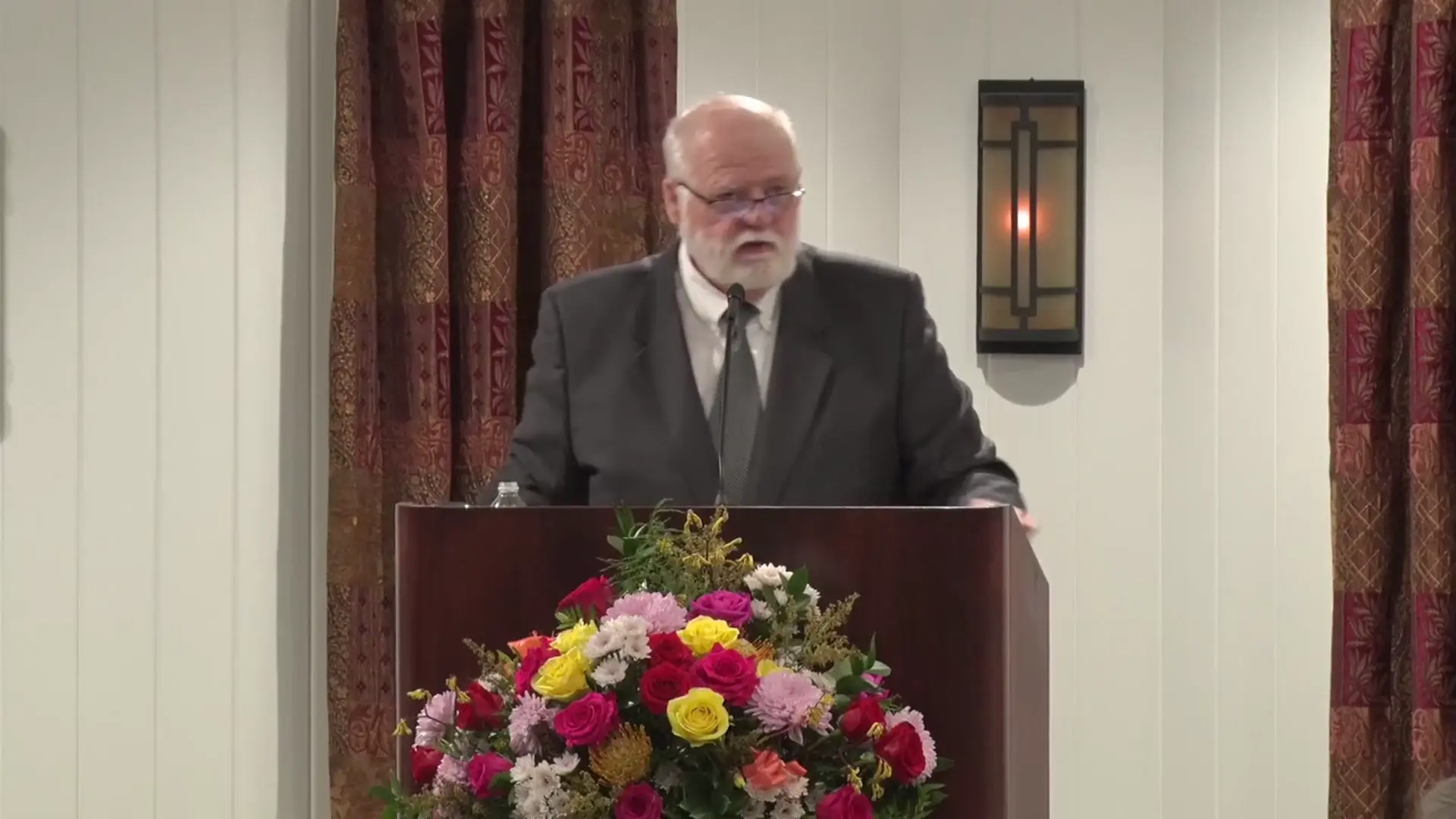
Sermon by Ted E. BowlingPraying for enemies forms an essential extension of brotherly love within the body of Christ. This practice requires genuine concern that surpasses natural human responses and depends on the presence of God's Spirit to produce godly character. The command appears directly in the instruction to love enemies, bless those who curse, do good to those who hate, and pray for those who spitefully use and persecute. Such prayer covers a multitude of sins by fostering forgiveness rather than resentment and by refusing to return evil for evil. The account of Job illustrates the outcome of this obedience. After his friends offered misguided counsel that added to his suffering, Job prayed for them at God's direction. His own restoration followed immediately, with the Lord restoring his losses and granting him twice as much as before. This demonstrates that stepping outside personal affliction to intercede for others marks the turning point from trial to blessing. Jesus Christ provided the supreme example while enduring crucifixion. Despite exhaustion, bleeding, and extreme injustice, He prayed for His executioners, asking the Father to forgive them because they did not know what they were doing. This act reveals the precise standard of love and grace expected of every disciple. The requirement to pray for those who wound remains binding even in the deepest valleys of personal hurt. Failure to do so indicates a deficiency in conversion, while faithful intercession fulfills the law of Christ, invites divine compassion, and confirms discipleship through active, fervent love.
By This Shall All Men Know You
Sermon by John O. ReidA native practice involves leaving a young man on a remote island with only a bow and arrows until he learns to become a man, and God does something similar.
The Tongue: Our Tool of Power
'Ready Answer' by StaffOur hurtful words can create scars that last longer than any physical scar that sticks and stones may cause. Christians must harness the power of the tongue.
The Sixth Commandment (Part One) (1997)
'Personal' from John W. RitenbaughOur society is becoming increasingly violent. The sixth of the Ten Commandments covers crime, capital punishment, murder, hatred, revenge and war.
Amos (Part Three)
Sermon/Bible Study by John W. RitenbaughGentile nations without God's revelation were held accountable for basic principles of humanity. God reserves the severest penalty for Judah and Israel.
Prayer Makes a Difference
Sermon by Martin G. CollinsGod expects us to intercede in behalf of others, but we must do this with wisdom, sincerity, and humility, with the help of God's Spirit, according to God's will.
Love Thy Neighbor (Part 1)
Sermon by John W. Ritenbaugh (1932-2023)Jesus set the bar very high when it comes to love. We no longer live for ourselves, but to Christ, who commands us to love everyone, including our enemies.
All His Ways Are Just
Feast of Tabernacles Sermon by Martin G. CollinsJustice is more a process of doing (exercising mercy, love, and faith) in all of our interpersonal relations rather than rendering a verdict or sentence.
The Intercessory Character of Christ
Sermon by Martin G. CollinsJesus demonstrated the importance of intercessory prayer, a practice urged by Paul for spiritual siblings, family members, rulers, and even enemies.
Christian Reaction to Terror
Sermonette by Richard T. RitenbaughAsaph's godly and humane reaction to the attack on Judah contrasts greatly with America's more self-righteous and vindictive approach.
Matthew (Part Seven)
Sermon/Bible Study by John W. RitenbaughJesus, showing the spirit of the law, warns against rash divorces, taking oaths, invoking God's name frivolously, realizing that a covenant is binding.