


Filter by Categories
Amos (Part Nine)
Sermon/Bible Study by John W. RitenbaughAncient Israel regarded Bethel, Gilgal, and Beersheba as a sacred shrines, but were not becoming spiritually transformed as a result of pilgrimages.
Amos (Part Ten)
Sermon/Bible Study by John W. RitenbaughGod requires a higher standard of righteous behavior from those who have consciously made a covenant with Him and are acquainted with His Law.

Amos 5 and the Feast of Tabernacles
'Personal' from John W. RitenbaughGilgal holds significant spiritual history for Israel, marking their first encampment in the Promised Land under Joshua. After crossing the Jordan, the people camped in Gilgal on the east border of Jericho, setting up twelve stones as a memorial of their crossing. It was here that all Israelite males born during the wilderness years were circumcised, entering into the Old Covenant and becoming God's nation in the land. The first Passover in the Promised Land was kept in Gilgal, and they first ate the fruit of the land there. Joshua also launched military attacks from Gilgal to secure the land for Israelite inhabitation. Additionally, Saul was confirmed as Israel's first king in Gilgal, making it a shrine to their inheritance and possession of the land. However, Amos delivers a sharp warning, declaring that Gilgal shall surely go into captivity and exile. He personalizes this prophecy, stating that the Lord, whose name is the God of hosts, will send them into captivity beyond Damascus. Despite observing festivals in Gilgal, a place commemorating possession of the Promised Land, the prosperous yet lukewarm people Amos addressed would lose the land and be taken captive. Their complacency led them to assume that being in the Promised Land and in full possession of it meant all was well with them. Amos reveals that their religious activities in Gilgal did not align with God's standards. The people attended festivals there, but justice and righteousness did not influence their daily lives. Justice, representing correct moral practice, and righteousness, representing the cultivation of correct moral principles, failed to roll down into their everyday actions. Their human nature confined their religion, preventing it from impacting their conduct beyond the festival.

Prepare to Meet Your God! (Part One)
Article by John W. Ritenbaugh and Richard T. RitenbaughPreaching to the ancient Israelites, Amos' indictments parallel today's spiritual decline. God wants His people to repent and avoid impending judgment.
Amos 5 and the Feast of Tabernacles
Sermon by John W. RitenbaughGilgal holds a significant place in Israelite history as a shrine commemorating inheritance and possession of the land. It was at Gilgal that Israel first arrived after crossing the Jordan from the wilderness, where they were circumcised, reconfirmed their covenant with God, and became His nation. There, they kept Passover for the first time in the land and ate its fruit. From Gilgal, Joshua launched military campaigns to secure the land for Israelite habitation, and it was also where Saul, Israel's first king, was confirmed. However, in Amos 5:5, a sharp warning is given that Gilgal shall surely go into captivity, into exile, and in Amos 5:27, it is proclaimed that Israel will be taken beyond Damascus. Despite observing festivals at this shrine of possession, the people were destined to lose the land due to their complacency and assumption that mere presence in the land guaranteed their security. The problem at Gilgal was their failure to let justice and righteousness roll out into daily life after attending festivals there. The name Gilgal, meaning "rolling," contrasts with their unchanged conduct, as they returned home living as before, treating the festival like mere entertainment or a vacation, with no transformation in their moral or ethical practices.
Amos (Part Eight)
Sermon/Bible Study by John W. RitenbaughAmos severely chides Israel for exalting symbolism over substance, superstitiously trusting in locations where significant historical events occurred.
Amos (Part One)
Sermon/Bible Study by John W. RitenbaughAmos gives a series of dire warnings, beginning with Israel's enemies, but concluding with a blistering indictment on Israel herself for her hypocrisy.
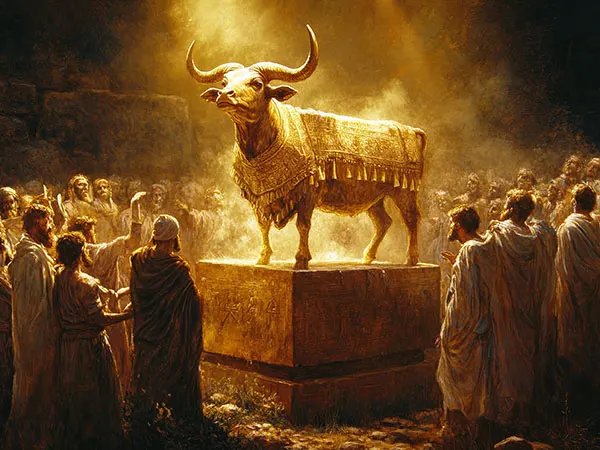
Prepare to Meet Your God! (Part Five): Religion and Holiness
Article by John W. Ritenbaugh and Richard T. RitenbaughIsrael's false religion, represented by the altars of Bethel, is at the root of her problems. The violence and injustice in Israelite society ultimately stemmed from the false teaching proclaimed from the pulpits. The religion of Israel began with a man, Jeroboam I, who changed the true worship of God. Since their rejection of the house of David under Jeroboam I, the Israelites had practiced a syncretic religion, mixing the traditions of paganism with some of the truth of God's Word. The people made pilgrimages to their shrines, but they did not grieve over their nation's sins. They went to church, but they continued to cheat, steal, and lie. They made a great show of being religious, but their religion caused no changes in their conduct. When God looked on Israel, He saw a whole nation, from her culture to her government to her religion, organized around human self-concern, showing no clear evidence of godly living. God gave Israel many advantages—His law, His providence, His protection—to allow His people to live His way of life, but they turned their backs on Him and followed the ways of other gods. Instead of reflecting His characteristics, they rebelled against Him, committing spiritual adultery by going after other gods and other ways of life.
Elijah's Dose of Reality
Article by Richard T. RitenbaughSometimes, we get down because we think that all our labors for God have gone unnoticed. Elijah did, and his story points out a major lesson for us all.
Amos (Part Eleven)
Sermon/Bible Study by John W. RitenbaughAncient Israel had at the core of its religion an obsession to please the self at the expense of justice and the best interests of the disadvantaged.
The Doctrine of Israel (Part Four): God's Indictment
Sermon by Richard T. RitenbaughEven though Jacob's offspring have had a special relationship with God, their carnal nature led them to test God's patience, growing more corrupt than even Sodom.
Hosea's Prophecy (Part Six)
Sermon by Martin G. CollinsModern Israel is repeating the same sins as ancient Israel. God's metaphors of the promiscuous wife, stubborn heifer, and rebellious child all apply to America.
Amos (Part Thirteen)
Sermon/Bible Study by John W. RitenbaughThe people to whom Amos writes have the mistaken assumption that because they have made the covenant with God, they can bask in a kind of divine favoritism.