


Filter by Categories
Prepare to Meet Your God! (Part Five): Religion and Holiness
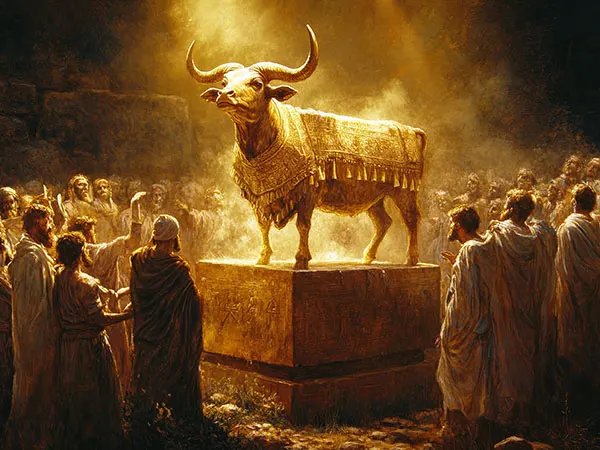
Article by John W. Ritenbaugh and Richard T. RitenbaughIsrael's religion, as depicted, was marked by a profound disconnect from God despite the many advantages He bestowed upon them. God had given Israel His calling, promises, Word, and laws to help them become His sons and daughters, expecting to see His characteristics reflected in them. Yet, He found them diametrically opposed to Himself, showing no spiritual resemblance due to spiritual adultery through the pursuit of other gods and ways of life. Israel's rebellion was evident as they turned their backs on Him, lacking the sense and appreciation even a dumb ox or donkey shows to its master. God's complaint against Israel's religion was that it had form but no substance. The people made pilgrimages to shrines without grieving over their nation's sins, attended church while continuing to cheat, steal, and lie, and made a great show of religiosity without changing their conduct. True religion, as shown in God's Word, involves concern for the weak, hospitality, generosity, sacrifice, speaking truth, and honesty, none of which Israel practiced. They talked the talk but did not walk the walk. God provided witnesses like the Nazirites, separated ones who consecrated themselves to Him, to exemplify pure living, and prophets to testify against the nation's wayward direction. However, Israel forced the Nazirites to break their vows and muzzled the prophets, revealing their intolerance for holiness. This pattern of rejection mirrored their response to greater holiness, as seen in their history of persecution. Israel's false religion, rooted in the altars of Bethel, was the source of societal violence and injustice, stemming from false teachings proclaimed from the pulpits. The religion began with Jeroboam I, who altered the true worship of God, leading to a nation that was neither righteous, moral, nor just. Their sacrifices did not please God, unlike Noah's, due to their corruption, injustice, mercilessness, and hypocrisy. The absence of the sin offering in their practices indicated a lack of awareness of their need for forgiveness, showing they had no relationship with God. The offerings they did make—burnt, grain, and peace offerings—revealed their shortcomings. The burnt offering, representing total devotion to God, the grain offering, symbolizing dedication to fellow man, and the peace offering, indicating fellowship with God and man, were all deficient. Israel was not devoted to God or their fellow man, nor in true fellowship, failing to see their sins or the holiness of God against which they should measure themselves. True religion, in contrast, involves a relationship with God, submission and obedience to Him, genuine love for His truth, moral integrity, and social responsibility. Israel failed in these aspects, neither loving nor seeking God's truth, nor ensuring their care for fellow Israelites was acceptable in His eyes. Their religion was despicable to God because it lacked the spirit and truth He desired, focusing instead on sincerity and ceremony without adherence to His way of life.
The Doctrine of Israel (Part Four): God's Indictment
Sermon by Richard T. RitenbaughIsrael's religion, as presented, was marked by outward devotion that masked deep corruption and rebellion. The people performed frequent sacrifices, tithes, thank offerings, and freewill offerings at unauthorized sites such as Bethel and Gilgal, exceeding the requirements of the law in order to display piety before others. These acts incorporated leaven, a symbol of corruption, and were accompanied by announcements that drew attention to the offerers rather than honoring God. Their practices mixed elements from surrounding nations, creating a syncretistic system that violated the command to worship at the single appointed place and to serve the Lord exclusively. This religious activity accompanied and enabled wholesale idolatry. The nation erected high places, sacred pillars, and wooden images throughout the land, burned incense to foreign gods, worshiped the host of heaven, and served Baal. They offered their children in the fire, practiced witchcraft and soothsaying, and secretly performed rites they believed God could not observe. By these means they abandoned the covenant ratified at Sinai, rejected the statutes and testimonies delivered through the prophets, and stiffened their necks against repeated warnings. The Sabbath, given as the sign that set them apart and facilitated their relationship with the Lord, was repeatedly profaned, accelerating their drift into paganism. Because their religion had become a vehicle for self-advancement and anti-God conduct rather than sincere obedience, the Lord viewed their behavior as spiritual adultery. He therefore withdrew protection and delivered them to the Assyrians, resulting in exile and loss of national identity. The same pattern of religious perversion and Sabbath rejection is shown to have characterized both Israel and Judah, confirming that the nation's privileged covenant relationship only heightened its accountability and the severity of its judgment.
Amos (Part Nine)
Sermon/Bible Study by John W. RitenbaughThe religion of Israel in Amos centered on pilgrimages to shrines at Bethel, Beersheba, and Gilgal, each tied to patriarchal encounters with God yet producing no transformation in the people. At Bethel, associated with Jacob's name change to Israel and divine encounters that should have effected conversion, worshippers experienced fellowship and enjoyment but returned unchanged, continuing self-centered practices, bribery, and perversion of justice at the city gates. Beersheba, linked to the patriarchal promise that God would be with Abraham, Isaac, and Jacob, fostered an assumption of divine companionship without corresponding obedience or moral integrity. Gilgal, recalling Israel's entry into the land after the exodus, symbolized security and inheritance, yet the people's religious activity there—festivals, sacrifices, and music—amounted to noise that God rejected because justice and righteousness did not flow from it into daily life. This false religion lacked five marks of genuine relationship with God: love for His truth, submission in obedience, concern for earning His approval, moral integrity, and social responsibility. Instead, the people complacently assumed divine favor while practicing lawlessness, leading God to declare that He would pass through them in inescapable judgment. The prudent remained silent amid evil, awaiting divine intervention rather than confronting corruption. Amos counters this by commanding the people to seek the Lord and live, to seek good and hate evil, establishing that true religion is not a human path to God but evidence of the life God initiates and sustains. Without such evidence, the anticipated day of the Lord would bring darkness and wailing rather than light and deliverance.
Amos (Part Ten)
Sermon/Bible Study by John W. RitenbaughGod requires a higher standard of righteous behavior from those who have consciously made a covenant with Him and are acquainted with His Law.

Prepare to Meet Your God! (Part One)
Article by John W. Ritenbaugh and Richard T. RitenbaughPreaching to the ancient Israelites, Amos' indictments parallel today's spiritual decline. God wants His people to repent and avoid impending judgment.
Amos (Part One)
Sermon/Bible Study by John W. RitenbaughAmos gives a series of dire warnings, beginning with Israel's enemies, but concluding with a blistering indictment on Israel herself for her hypocrisy.

Amos 5 and the Feast of Tabernacles
'Personal' from John W. RitenbaughHow can we evaluate whether our Feast is 'good' or not? God's criticism of Israel's feasts in Amos 5 teaches what God wants us to learn from His feasts.
Amos (Part Eight)
Sermon/Bible Study by John W. RitenbaughAmos severely chides Israel for exalting symbolism over substance, superstitiously trusting in locations where significant historical events occurred.
Amos 5 and the Feast of Tabernacles
Sermon by John W. RitenbaughIf we go to the Feast with the goal of physically enjoying, we may lose out on both the spiritual and physical benefits. 'Going through the motions' defiles it.
Amos (Part Two)
Sermon/Bible Study by John W. RitenbaughThe book of Amos is addressed to the ones who have made the new covenant with God. Having made the covenant, we must remember that privilege brings peril.
Amos (Part Six)
Sermon/Bible Study byThe favorite-son status of Israel was conditioned on accepting the terms of the covenant with God. Israel, then and now, has placed her trust in material things.
Passover (Part Seven)
Sermon by John W. RitenbaughMajor reinterpretations have significantly distorted the meaning of Passover and Unleavened Bread, blurring the distinction between the two events.
Amos (Part Four)
Sermon/Bible Study by John W. RitenbaughAmos, like a circling hawk, makes dire pronouncements on all of Israel's enemies but reserves the harshest judgment for Israel, who should have known better.
Hope to the End (Part Two)
Feast of Tabernacles Sermon by John W. Ritenbaugh (1932-2023)We need these horrific times and conditions to learn the consequences of foolish decisions in order to ensure that nothing like this ever happens again.
Lamentations (Part Four; 1989)
Sermon/Bible Study by John W. RitenbaughThe prophets and the religious leaders bear the greatest blame for the destruction by providing a quasi-religion and not teaching the Law of God.
The First Commandment
'Personal' from John W. RitenbaughIdolatry is probably the sin that the Bible most often warns us against. We worship the source of our values and standards, whether the true God or a counterfeit.
What We Can Learn From This Day of Atonement
Sermon by John W. RitenbaughGod's solution to mankind's separation was sending a second Adam, Jesus Christ, to make reconciliation possible. Fasting shows our dependence on God.

Christmas, Syncretism, and Presumption
'Personal' from John W. RitenbaughMany think keeping Christmas is fine, yet God never tells us to celebrate His Son's birth. Celebrating such an obvious mix of biblical truth and paganism is presumptuous.
Passover (Part Eight)
Sermon by John W. RitenbaughThe temple Passover commanded by Hezekiah was a very unusual circumstance in which the king centralized worship to keep Baalism from defiling the Passover.