


Filter by Categories
Going Up to Rejoice at the Feast
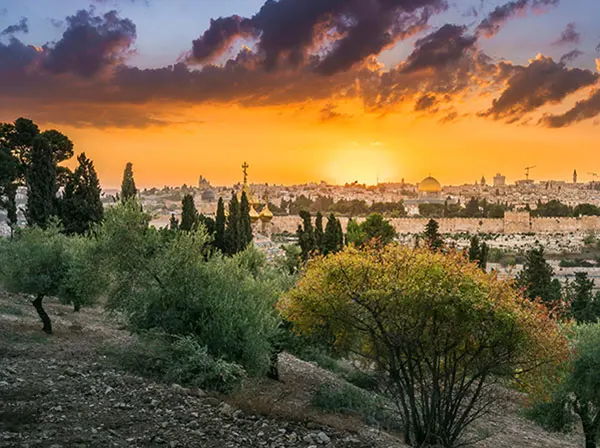
Article by Ryan McClureGod commands His people to rejoice before Him for the seven days of the Feast of Tabernacles (Leviticus 23:40), even though troubling times make rejoicing difficult. Keeping this command requires shifting focus up and forward, away from the world's troubles to God's own perspective on the glorious future the Feast represents. Isaiah 65:17-25 shows God Himself rejoicing in Jerusalem and His people during the Millennium, a time without weeping, war, sickness, or labor in vain. By commanding us to rejoice, God teaches us to be like Him and to do now what He will do then. The Feast therefore trains believers to rejoice amid uncertainty, trial, sickness, and loss by contemplating the peace and prosperity Christ will bring, the work of the resurrected firstfruits, and the restoration of the earth. The Feast will continue in the Millennium, when nations go up to Jerusalem to be taught God's ways (Isaiah 2; Micah 4; Zechariah 14), and all who live then will be unable to resist rejoicing in what Christ has accomplished. Paul's exhortation in Philippians 4:4-7 to rejoice in the Lord always, with prayer and thanksgiving, brings the point home: God's people go up to the Feast to appear before Him, be taught by Him, learn to rejoice, and look in hope to the fulfillment it pictures.
Rejoice and Fear God
Feast of Tabernacles Sermon by John W. RitenbaughGod commands His people to rejoice during the Feast of Tabernacles, as stated in Deuteronomy 16:13-15, where they are instructed to observe the seven-day feast with their families, servants, Levites, strangers, the fatherless, and widows, because He will bless them in their produce and in all the works of their hands. This rejoicing occurs at the place He chooses and stands alongside the requirement to learn to fear Him, a term that encompasses both reverential awe and the possibility of terror. The command demonstrates that rejoicing does not arise automatically but requires deliberate choice, just as keeping the Sabbath requires choice. Rejoicing connects directly to the spiritual meaning of the Feast as a celebration of the coming Millennium, the environment in which the great fall harvest will occur amid peace, harmony, abundance, and faithfulness. Yet the Millennium will also contain monumental problems that demand changed hearts. God will restore devastated lands to greater productivity than before, but only after He sprinkles clean water on His people, removes their heart of stone, and places His Spirit within them so they walk in His statutes. The same principle applies at the Feast: participants bring their own character, attitudes, and problems, and unity and rejoicing will result only when they yield to the Spirit, exercise wisdom from above that is pure, peaceable, gentle, and full of mercy and good fruits, and sow the fruit of righteousness in peace. Rejoicing is further linked to sacrifice. In Deuteronomy 12, instructions for keeping the feasts require bringing tithes and offerings to the chosen place and rejoicing before the Lord. Although animal sacrifices have ended, spiritual sacrifices continue through giving time, service, praise, and consideration for others. These acts imitate the outgoing concern that defines God and produce the peace and harmony that allow rejoicing to flourish. When people choose instead to follow human nature through anger, resentment, or offense, their focus shifts away from producing the fruits of righteousness, hindering both personal rejoicing and the Feast's success. Thus rejoicing depends on the daily decision to yield to God's Spirit, make peace, and serve others, the same choices that will fill the Millennium with the beauty and abundance God has promised.
Rejoice in God's Feast
Sermon by John W. RitenbaughGod rejoices both when blessing His people and when bringing painful judgments upon the guilty, finding satisfaction in doing what is right regardless of outward circumstances or the absence of happy exuberance. This understanding of rejoicing extends beyond momentary feelings of gladness to a deliberate sense of fulfillment in fulfilling divine purpose. The same principle applies to the commanded rejoicing during the Feast of Tabernacles, which God requires His people to observe with offerings, holy convocations, and active participation rather than passive attendance. Rejoicing is not confined to prosperous or problem-free conditions but must be chosen and produced even amid trials, irritants, or spiritual challenges that precede or occur during the Feast. Scripture links rejoicing directly to sacrifice, as seen in the requirement to bring offerings and to share the fruits of one's labor—both physical and spiritual—with family, servants, Levites, strangers, orphans, and widows. These spiritual fruits, drawn from the Spirit's produce of love, joy, peace, longsuffering, kindness, goodness, faithfulness, gentleness, and self-control, are to be carried to the Feast and deliberately shared through service, generosity, and outgoing concern. Such sharing fulfills the command to rejoice and mirrors God's own pattern of giving. The Feast therefore serves as the optimal setting for practicing these attributes, enabling participants to imitate God by prioritizing His Kingdom, bearing one another's burdens, and avoiding self-centered pursuits that leave one spiritually empty. In this way rejoicing becomes an active expression of love that connects personal conduct throughout the year to the Feast's purpose of spiritual growth and preparation for the future.
Joy in Our Time?
Commentary by John W. Ritenbaugh (1932-2023)We are undergoing the worst of times, but coming into the best of times because the Kingdom of God is in the ascendancy.
Fearing God at the Feast (Part Three)
CGG Weekly by David C. GrabbeGod's insistence that His people rejoice constitutes the third element of His instructions for the Feast of Tabernacles. This rejoicing must center on His faithfulness rather than serve as an occasion for mere pleasure or self-centered merriment. The joy is intended to produce more than an elevated mood; it should foster recognition of all that God has accomplished throughout the year and reinforce a proper fear of Him. Ancient Israel demonstrated the danger of rejoicing with the wrong focus. Although the people offered sacrifices and made a joyful noise as commanded, God rejected their observances because idolatry, injustice, and unrighteousness persisted among them. Their burnt offerings falsely implied wholehearted devotion to Him, their meal offerings falsely implied dedication to others, and their peace offerings falsely implied genuine fellowship, all while they worshipped Molech and neglected true righteousness. The absence of any reference to the drink offering or the sin offering further revealed their condition: they showed no interest in expending themselves in service to others and no awareness of their own sin or need for forgiveness. Consequently, they departed the Feast unchanged, returning to the same idolatry and unrighteousness. Their celebration lacked the fear of God that would have produced hatred of evil and genuine transformation. This failure underscores the connection between rejoicing and the fourth element of the instructions, the fear of God. Because God is consistently faithful, both in bestowing blessings and in executing judgment, those who rejoice in His faithfulness grow in reverence for Him. The Feast therefore functions as a celebration of that faithfulness, enabling participants to learn to fear God always.
The Quest for Happiness
Sermon by Martin G. CollinsHappiness is the result of faithfully keeping God's Covenant, ensuring peace, prosperity, and an abundant life. The world's joy only disappoints in the end.
The Feast Is Coming!
CGG Weekly by John O. ReidWhat should we have on our minds as we prepare to go to the Feast of Tabernacles this year? What overall message does keeping this festival teach us?
Make This the Best Feast Yet
Sermonette by Hunter D. SwansonWe need to strive to have the 'best Feast ever' attitude as we approach the Feast. The quality of the Feast increases as we serve others.
Going Up to the Mountain of the Lord
Sermonette byGod commands us to rejoice during the Feast of Booths. We make a journey to where He has placed His name, imitating the joy God continually experiences.
Joy
Bible Study by Martin G. CollinsTrue joy is based neither on material accumulation, nor in extraordinary physical accomplishments, but in the hope of salvation and the promises of God.

The Divine Paradox: Joy Through Sacrifice!
Feast of Tabernacles Sermon by Bill OnisickThe Feast of Tabernacles represents the apex of Israelite joy, characterized by a divine paradox where communal rejoicing is inextricably linked to sacrifice.
The Refuser of Festivities
'Ready Answer' by Ronny H. GrahamThe Bible confronts party-poopers who throw a wet blanket on an enjoyable time, condemning their killjoy attitudes and commanding us to rejoice appropriately.

Thanksgiving or Self-Indulgence?
'Personal' from John W. RitenbaughShould Christians celebrate Thanksgiving Day? Are all this world's holidays off limits? Here is how to determine their propriety.
Whatever Your Heart Desires
'Ready Answer' by StaffThe Bible tells us that at the Feast of Tabernacles, we can spend our money on whatever we desire. Do we indulge ourselves, or do we enhance the Feast for others?
Count It ALL Joy
Sermonette by Ronny H. GrahamNot all of God's instructions are easy to follow. Maintaining a joyful attitude during difficult circumstances is among the most challenging commands we are given.
Faith and Contentment (Part Two)
CGG Weekly by John ReissBecause we have the faith that God is in charge, has chosen us for His plan, and carefully provides whatever we need, we can be satisfied with our lot.
Facing Times of Stress: Faithfulness
Sermon by Martin G. CollinsPrayers often become difficult because we fail to add thanksgiving, praise or adoration toward God. Thankfulness is an obligation to which we are bound.
Joy: What Is It?
Sermon by Richard T. RitenbaughWithout God's Spirit, the fruit of joy is unattainable. Godly joy buoys people in the midst of grave trials, providing hope for a glorious future.
Are Your Feelings Fighting Your Faith?
Sermon by Martin G. CollinsToday's Christianity is more theatrics than theological; feelings have become the replacement for faith, eroding spiritual growth and character.
A Memorial of Our Joyful Future
Sermonette by Bill OnisickTo the reprobate world, the sound of teruw'ah represents terror and war, but to God's called-out ones it is a time to render praises of happiness and great joy.
Be Happy (Part Two)
CGG Weekly by Gary MontgomeryGod has made it possible through His Spirit for us to be optimistic and happy even in a world that seems to be crumbling around us.

The Fruit of the Spirit: Joy
'Personal' from John W. RitenbaughJoy is more than happiness. God gives a superior kind of joy through the action of His Spirit in us that far exceeds mere human cheer and well-being.
How to Have a Great Feast
Sermon by Richard T. RitenbaughThe Feasts of God are not vacations, but are holy convocations when God assembles His family for the purpose of enabling us to learn to fear and honor Him.
On The Value of Joy
Commentary by John W. Ritenbaugh (1932-2023)Because we live in a troubling world, our reserves of joy are probably somewhat low, perhaps making us feel that we are deficient in God's Holy Spirit.
Joy No One Will Take From You!
Feast of Tabernacles Sermon by Martin G. CollinsMaterialism has never led to anything but increased sorrow. True lasting joy is based neither on material accumulation nor in physical accomplishments.
Happiness is Circumstantial, but Joy is Not!
Feast of Tabernacles Sermon by Martin G. CollinsHappiness is a by-product of our response to God's calling, coupled with our determination to connect with the Father, the Son, and the whole spiritual family.
A Time For Thanksgiving (2009)
Commentary by John W. Ritenbaugh (1932-2023)Paul heard continuous bad news, but he learned to control himself, controlling his anxiety by thinking positively and wholesomely.
New Covenant Priesthood (Part Three)
Sermon by John W. RitenbaughWithout thanksgiving and praise, our prayers degenerate into the 'gimmes' with the emphasis on the self. We must give God thoughtful thanks in every circumstance.
Psalm Genres (Part One): Psalms of Thanksgiving
Sermon by Richard T. RitenbaughPsalms of Thanksgiving consists of a rich biblical genre, expressing gratitude not merely through words, but through praise, action, and loyalty to God.
The End
Feast of Tabernacles Sermon by Richard T. RitenbaughNoah's flood was an end, the temple's destruction was an end, Christ's second coming will be an end, and the Last Great Day will be an end and a beginning.
Be Thankful!
Sermon by John O. ReidThe danger of abundant blessings is that we tend to forget the source of the blessings and cease being thankful. When we forget to be thankful, we forget God.
Christian Optimism
Sermon by Richard T. RitenbaughPaul wrote some of his most optimistic letters from prison, under the possibility of execution, but absolutely convinced that ultimate victory was imminent.
Sovereignty and Its Fruit: Part Ten
'Personal' from John W. RitenbaughOnce we accept God's sovereignty, it begins to produce certain virtues in us. Here are four of these byproducts of total submission to God.
Ecclesiastes Resumed (Part Eight): Time
Sermon by John W. Ritenbaugh (1932-2023)We must realize that God is sovereign over time all the time, even as it is running out for all of us. God works to make the most of every situation in our lives.
Do We See Ourselves As God Sees Us?
Sermon by John W. Ritenbaugh (1932-2023)Praying without gratitude is like clipping the wings of prayer. Thankfulness is not natural to carnal human nature which loves to grovel as a timid worrywart.
Exalt With Music
Feast of Tabernacles Sermon by John W. RitenbaughMusic has an intense power to stimulate the emotions, trigger the imagination, set the mood of services, and serves as a teaching vehicle for instruction.
Thankfulness (1986)
Sermon/Bible Study by John W. RitenbaughWe need to give thanks for everything, blessings and trials. Christianity ought to be an exhilarating experience, but it depends on our outlook on life.
Self-Examination, Not Self-Preoccupation
Sermon by Martin G. CollinsThere is a critical difference between self-examination and self-preoccupation. We must accurately assess our spiritual state without becoming self-absorbed.
Philippians (Part Ten)
Sermon/Bible Study by John W. RitenbaughNot one of us with heavenly citizenship has ever been there, but like an ambassador, we are compelled to carry on the culture and laws in our lives.