


Filter by Categories
Going Up to Rejoice at the Feast
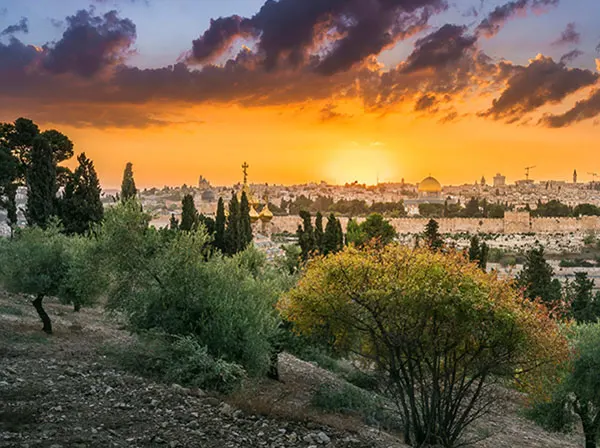
Article by Ryan McClureGod commands rejoicing at the Feast of Tabernacles in Leviticus 23:40, "You shall rejoice before the LORD your God for seven days," yet mounting troubles in the world and in believers' lives can make this difficult. Keeping the command requires lifting one's perspective above present circumstances to God's own view, since the Feast pictures the Millennium, a time of restoration and healing. Isaiah 65:17-25 shows God Himself rejoicing in Jerusalem and in His people, with no more weeping, labor in vain, or harm, so His command to rejoice teaches His people to be like Him. The Feast will also be kept in the Millennium, as Isaiah 2, Micah 4, and Zechariah 14 show, when the nations go up to the elevated Jerusalem to be taught by God, with blessings and curses attached to obedience. The Feast therefore serves as a teaching tool. Now it gives an opportunity to learn to rejoice amid uncertainty, sickness, trial, and loss by shifting focus up and forward to Christ's coming reign, the work of the firstfruits changed to spirit, the end of war, pain, and tears (Revelation 21:4), and the abundant life God will teach. Paul's exhortation in Philippians 4:4-7 to rejoice in the Lord always, with prayer and thanksgiving, supports this. Believers attend the Feast to appear before God, be taught, learn to rejoice, and look forward in hope.
Rejoice at the Feast
Sermonette by Mike FordGod commands everyone to rejoice at the Feast of Tabernacles (Deuteronomy 16:13-14), yet trials, whether expected or unexpected, will come, since Satan hates the holy days and intensifies his efforts against God's people at that season. The way to rejoice despite problems is first to put them in perspective by looking to the future. The Feast pictures part of God's plan, and Colossians 3:2 urges setting the mind on things above. Temporary dwellings remind believers that they are pilgrims and that present troubles are brief and cannot rob them of their eternal inheritance (Romans 8:18). Rejoicing means sustained gladness and delight, a steady state of mind rather than a worldly euphoria with its corresponding low. The second step is to take the problem to God in prayer with thanksgiving, as Philippians 4:4-7 teaches. The simplicity of this is why it is so often forgotten. A personal example is complaining about a roach-infested condo, which for years obscured the point of the Feast by focusing on self instead of the big picture. A contrasting example is the 1963 Feast at Jekyll Island, where the brethren prayed about Hurricane Flora, which was headed straight for them. The storm stalled for days over the Caribbean, baffled weather scientists, and then turned out to sea. God may not answer so dramatically, but He will answer, and Hebrews 12:2-3 points to Christ, who endured the cross for the joy set before Him, as the example for rejoicing despite any trial.
Fearing God at the Feast (Part One)
CGG Weekly by David C. GrabbeThe Feast of Tabernacles is the most anticipated event of the year, offering both physical enjoyment and spiritual fulfillment. Faithful tithing provides more to spend on good food, activities, and fellowship, while the full seven days of observance (Deuteronomy 16:13) bring an abundance of sermons and sermonettes. God's emphasis on the Feast is shown in the extra sacrifices required under the Old Covenant, which point to devotion to God, service to fellow man, and a life poured out. The Feast also pictures the Millennium and God's second harvest of mankind. Yet the fundamental reason for keeping it, according to Deuteronomy 14:23, is learning to fear God always, and the rejoicing God commands takes place within that context. The word translated "rejoice" means to brighten up, so the week is meant to lift spirits and brighten faces after a troublesome and wearying year. God wants His people to enjoy the time He has set apart, but it is not meant to be fun for its own sake, since the rejoicing is tied to learning to fear God. Leviticus 23:40 repeats the command to rejoice, this time in connection with living in temporary dwellings and remembering Israel's wilderness pilgrimage, a context that further expands how the Feast teaches the fear of God.
Fearing God at the Feast (Part Two)
CGG Weekly by David C. GrabbeRejoicing at the Feast, commanded in Leviticus 23:40 and Deuteronomy 14:26, is bound up with remembering God's faithfulness, which in turn leads to the proper fear of Him. Its joy rests on two of the Feast's elements. The first is the second tithe and the harvest setting. Faithful tithing throughout the year shows trust in God's Word and lets us witness His provision (Psalm 84:11; Psalm 37:25; Malachi 3:10). Because modern salaried workers are insulated from agriculture, they may find it harder to sense this dependence, yet they should still recognize God's yearly provision. That provision is not limited to physical wealth. If a desired thing is lacking, God has judged it not good for us, and His greater gifts include spiritual food and the outpouring of His Spirit. Recounting these blessings gives reason to rejoice. The second element is the temporary dwellings, which recall Israel's wilderness years, when God supplied manna, water, cloud and fire, and clothing that did not wear out (Deuteronomy 8:4). The booths also stress life's impermanence and our status as pilgrims, as with Abraham in his tent and Christ with nowhere to lay His head. Houses and land are fine, but they are temporary, and our real living is still future. The rejoicing therefore looks both back to God's guidance of Israel and forward to His faithfulness in bringing us to a greater Promised Land that we cannot reach by ourselves.
Fearing God at the Feast (Part Three)
CGG Weekly by David C. GrabbeThe Feast of Tabernacles, as outlined in God's instructions, emphasizes the importance of rejoicing, which is the third element of this celebration. This rejoicing is not merely for personal enjoyment but should center on God's faithfulness and all that He has accomplished in the prior year. Our joy at the Feast must uplift more than our spirits; it must reflect a deep appreciation of His steadfastness. Ancient Israel, however, failed in this regard, as their festivities, though filled with sacrifices and joyful noise, lacked the proper focus on God's faithfulness, leading to His rejection of their worship. Their merriment was tainted by idolatry and hypocrisy, missing the true purpose of the Feast. Without a genuine fear of God, their rejoicing did not produce the intended transformation in their lives. Instead, they returned home unchanged, continuing in idolatry, injustice, and unrighteousness. True rejoicing at the Feast, rooted in recognition of God's faithfulness, should inspire a deeper fear of Him, fostering a commitment to turn from evil and live righteously. This year, if we rejoice at the Feast in gratitude for God's provision, protection, and guidance on our pilgrimage, we will indeed learn to fear Him always.

Sharing Our Lives at the Feast
Article by Mark SchindlerOne of the great blessings that God grants us annually is the command to observe His holy days, which provide for our needs in ways we may not fully comprehend. These occasions, especially the Feast of Tabernacles, offer a unique opportunity to spend a whole week together in one place, fostering fellowship and encouragement among God's people. At the Feast of Tabernacles, we sing hymns, pray, and hear His Word expounded in a setting that draws us closer to each other and to Him. It is a time to share experiences and stories that inspire and uplift, demonstrating the liberty from fear that comes from absolute love and trust in our great Creator God. During a recent Feast of Tabernacles, we shared profound moments with a couple who recounted their struggle with their baby's life-threatening heart condition. They wrestled with fear and doubt, yet ultimately placed their trust in God, believing that all things work together for good to those who love Him. Once they extinguished their fear and fully trusted in His love, God healed their child, reinforcing their faith and providing an inspiring testament to fearless trust in Him. At another Feast of Tabernacles in St. Petersburg, Florida, we were moved by the courage of Barry Yoder, a remarkable soloist with a powerful voice, despite his severe physical limitations. Bound to a wheelchair and reliant on oxygen, Barry overcame his fear of failure and embarrassment to glorify God through his singing. He attributed his performances entirely to the strength given by his Father, expressing that every day he lived was a gift to fulfill a purpose set by Him. His fearless dedication to praising God, even in the face of personal struggle, served as a powerful encouragement to all who witnessed it. The Feast of Tabernacles provides more opportunity than any other time of the year to rejoice together as a body, lifting each other up and working together. It calls for love and the shedding of defensive barriers that prevent closeness with others. By sharing our trials and triumphs during this time, we grow together, casting out fear through perfect love and striving toward the unity of faith and the fullness of Christ.
The Feasts of Tabernacles and Unleavened Bread
Feast of Tabernacles Sermon by David C. GrabbeThe Feast of Tabernacles, as outlined in Leviticus 23, is a seven-day observance dedicated to the LORD, emphasizing His centrality in the celebration. God commands that this feast be kept for seven days, during which His people are to dwell in temporary booths, recalling the journey of the Israelites after their deliverance from Egypt. This act of dwelling in booths for seven days serves as a reminder of their complete dependence on Him during their wilderness pilgrimage, highlighting the impermanence of physical life and the need to trust in His provision. A significant aspect of the Feast of Tabernacles is the call to rejoice before the LORD for all seven days, as instructed in Leviticus 23:40. This rejoicing is tied to the abundance He provides, yet it must be done with Him as the foremost focus, ensuring that the feast remains His and not merely a personal vacation. Deuteronomy 14:23-26 further instructs that the tithe saved for the feast is to be used to eat before the LORD, instilling a reverential awe of Him through experiencing His provision and care. The temporary nature of the dwellings during this feast keeps participants slightly off balance, reminding them that nothing on earth is permanent and prompting a focus on His guidance toward a greater inheritance. Historically, as seen in Nehemiah 8, the returned exiles kept the Feast of Tabernacles by dwelling in temporary structures for seven days while having the law read and explained daily. This example illustrates a deep eagerness to engage with God's word and to keep the feast to Him, setting a pattern of not only physical observance but also spiritual nourishment through His teachings during all seven days. In contrast to the stability implied by houses during the Feast of Unleavened Bread, the temporary booths of Tabernacles underscore a journey and pilgrimage. These booths, made from branches that wither over the week, reflect the transitoriness of life and the human body, as noted in references by Paul and Peter to their bodies as tents. This symbolism teaches reliance on God amidst life's uncertainties, rejoicing in His shelter and provision even as physical circumstances fade, and trusting in His perfect providence during the pilgrimage of life.
Rejoice in God's Feast
Sermon by John W. RitenbaughWe are commanded to rejoice in the keeping of God's Feast of Tabernacles, understanding that rejoicing is not limited to times of happiness or exuberance. God Himself rejoices in both blessing and cursing, finding satisfaction in doing what is right, even when it involves painful judgments. This broader definition of rejoicing applies to our observance of the Feast, where we must brighten up in anticipation of His purposes for commanding this occasion. The Feast of Tabernacles does not occur in isolation; it is connected to our conduct and attitudes throughout the year. We bring to the Feast the same behaviors and mindsets we have cultivated prior to it, which can impact our experience. God expects us to approach the Feast with a focus on spiritual growth, not merely as a vacation or time for personal enjoyment. Rejoicing at the Feast involves sharing the spiritual fruits we have reaped during the year, reflecting the outgoing concern and sacrifice that God embodies. Historically, the Israelites were likely to bring portions of their harvest to the Feast, symbolizing prosperity given by God to be shared with Him and others. Similarly, we are to bring and share the profits of our year's work, both physical and spiritual, with one another at the Feast. This sharing fosters rejoicing, as it aligns with God's command to give of ourselves for the benefit of others. God commands us to rejoice, indicating that this attitude is subject to our will and must be deliberately chosen, even amidst problems or trials that may arise during the Feast. These challenges are expected, as the Feast is not meant to be trouble-free. We are to use the tools God provides to produce a spiritual crop of good fruit, sharing it within the community of like-minded people gathered at the Feast. Rejoicing and sacrifice are linked in the observance of the Feast of Tabernacles. God required more sacrifices during this Feast than all other feasts combined, symbolizing the essence of love through giving at a cost to oneself for others' benefit. We are called to make spiritual sacrifices, giving of ourselves in service, kindness, and compassion, which enhances our rejoicing as we imitate God's outgoing concern. In summary, at the Feast of Tabernacles, we are to worship God by acting like Him, serving, sharing, and sacrificing. We must resolve to actively demonstrate our love for Him by giving of our time and spiritual fruits, ensuring that our rejoicing stems from fulfilling His purpose for this significant occasion.
How to Have a Great Feast
Sermon by Richard T. RitenbaughThe Feast of Tabernacles is a holy convocation, a time appointed by God, where His presence is among us. It is not merely a vacation or a church convention, but a sacred gathering called by God Himself to worship and learn in fellowship with Him and His people. Services during the Feast are paramount, serving as the chief purpose where God deepens our understanding of Him and His way of life through messages, songs, and prayers. Prioritizing these services is the first step to having a great Feast, ensuring it becomes a spiritual feast. The Feast of Tabernacles is also a time of sacrifice, where we are called to offer ourselves through service to God and the brethren. This includes giving our time, money, labor, and attention to meet the needs of others, whether through formal roles like speaking or ushering, or informal acts such as sharing meals or providing transportation. Sacrificing in service, both spontaneously and with planning, allows us to take leaps in character and fulfill the intent of the Feast as a period of giving. God commands us to rejoice at the Feast of Tabernacles, not in self-centered celebration, but in spontaneous, inspired jubilance for His blessings and goodness. This rejoicing, rooted in recognizing His hand in all things, should be balanced with self-control amidst the plenty He provides. We must avoid overindulgence in food and drink, ensuring we remain in control and exhibit the fruit of the Spirit. Additionally, we are to help others rejoice by sharing our second tithe with those in need, such as the poor or widows, so they too can experience God's presence and joy. Taking care of our bodies during the Feast of Tabernacles is essential, as they are vessels for God's Spirit. Maintaining health through proper rest, nutrition, and suitable activities ensures we can fully participate in worship and fellowship. Avoiding excess or risky behaviors prevents health issues from hindering our Feast experience, allowing us to focus on spiritual growth. Finally, maintaining customary spiritual activities during the Feast of Tabernacles is crucial. Prayer, study, meditation, fellowship, hospitality, and service must not be sacrificed for other activities. The Feast is not a vacation from personal contact with God; rather, it is a time to increase these practices, recognizing that He is the central pillar of this sacred time, actively working to draw us closer to Him and to each other.
Feast of Tabernacles Basics
Feast of Tabernacles Sermon by Richard T. RitenbaughThe Feast of Tabernacles calls us to rejoice in the blessings and harvest that God has provided throughout the year. It is a time of gratitude and appreciation, where we are commanded to be joyful, understanding that God will bless us abundantly. This rejoicing stems from our awareness of what He has given us, and we express this gratitude through offerings during the Feast. As we gather, we celebrate not only the physical harvest but also the personal blessings He has bestowed upon each of us, recognizing them as gifts from His hand.
Amos 5 and the Feast of Tabernacles
Sermon by John W. RitenbaughAll of the feasts of the Lord are events we look forward to with great anticipation, for they are very enjoyable and can be spiritually rewarding. We especially enjoy the Feast of Tabernacles, though it carries an enjoyable dark side, easily perceived as a vacation. There is also trouble in preparing for and traveling to it, adding stress to the observance. Of all the feasts, Tabernacles can be particularly wearying, and sometimes people have become quite sick from the strain, experiencing a miserable time. Overall, most of the time, we immensely enjoy the Feast of Tabernacles, cherishing memories of activities, fine meals together, nice locations, and spending time with family. However, we must be cautious of this enjoyment, as it is possible to have similar positive experiences apart from the Feast. The danger is that though God wants us to rejoice in keeping His feasts, it is easy to assume that an enjoyable Feast means it was a good one. Judgments of this nature vary greatly, as several people can attend the same site, hear the same messages, participate in the same activities, and still evaluate the Feast differently due to personal preferences and perspectives. God expects the Feast of Tabernacles to be the spiritual high of the year, with more offerings required for it than all other feasts combined, indicating a greater spiritual demand. It should be both a spiritual and physical Feast, whose fruit is rejoicing in both aspects. If we go to the Feast purely for enjoyment, we may not have a spiritually fulfilling experience. However, if we go to worship the Lord and allow enjoyment to be the fruit of that focus, we will have a truly good Feast, regardless of variable feelings. The rejoicing is the fruit of the right approach, with emphasis clearly on the spiritual. God does not want mindless observance; seeking enjoyment for its sake is not what He has in mind for any of His feasts. The Feast of Tabernacles is a prime environment, almost like a Garden of Eden, where our relationship with God can be enhanced more than at any other time during the year. It offers the right fellowship, circumstances, and spiritual food every day, providing opportunity over eight days to talk about God, His Word, and communicate blessings with gratitude to one another. It is the high time of the year, every year. Let us resolve to attend this year's Feast of Tabernacles with the Spirit having priority in our minds, letting rejoicing be its fruit. Though elements of enjoyment may accompany it, we must not let them dominate. The Feast is not a vacation, a concert, a social event, or a substitute for other celebrations; it must be a springboard for significant positive change.
That Great Day of the Feast
Sermonette by Ryan McClureIn the Millennium, God will call all nations of the world to Jerusalem to be taught by God, to receive His Holy Spirit to know Him and His way of life.
The Feast Is Coming!
CGG Weekly by John O. ReidAs the Feast of Tabernacles approaches, we look forward to the longed-for high point of the year, an opportunity to meet where God will be and to hear His Word. The main reason for attending is to come together before God, hearing His messages and fellowshipping with members of His Family, which far outweighs the activities a site can offer. God wants us to drink in His Feast with joy and excitement, rejoicing in Him above all as the primary reason for our gladness. While enjoying good fellowship, food, and opportunities in balance, our eyes should focus on rejoicing in Him and the rare chance He offers for entrance into His Kingdom. Meditating on being citizens of the Kingdom of God and sojourners on our way to the incredible place Christ is preparing for us should fill us with great hope and add light to our eyes. As we approach and keep this Feast, we must avoid complaining, which is the opposite of fearing God and rejoicing before Him, and instead display an outgoing, serving, and friendly attitude, encouraging and uplifting our brethren for a wonderful Feast of Tabernacles.
Rejoice and Serve!
Sermonette by Bill OnisickConsuming second tithe (not within our gates) is understood to be for foodstuffs, for entertaining spiritual siblings, and making them happy and joyful.
Make This the Best Feast Yet
Sermonette by Hunter D. SwansonWe need to strive to have the 'best Feast ever' attitude as we approach the Feast. The quality of the Feast increases as we serve others.
Whatever Your Heart Desires
Sermonette by Ryan McClureGod's instruction to spend second tithe on 'whatever your heart desires' is not merely permission to enjoy His blessings; it is a revealing test.

Teachings from Tabernacles
Feast of Tabernacles Sermon by David C. GrabbeThe Feast of Tabernacles is a time of rejoicing before the LORD, as commanded in Leviticus 23:40, where it is instructed to rejoice before the LORD your God for seven days. This rejoicing is not merely for personal enjoyment but must be focused on Him, ensuring that it does not devolve into a mere celebration devoid of spiritual significance. The emphasis is on maintaining God as the central object of the Feast, as a lack of this focus turns it into just a weeklong party rather than a sacred observance. Deuteronomy 16:13-15 further instructs that during the Feast of Tabernacles, all are to rejoice, including family, servants, Levites, strangers, the fatherless, and widows, in the place the LORD chooses. This rejoicing is tied to God's blessing on the produce and the work of one's hands, ensuring that true joy comes from recognizing His provision. The passage underscores that this is a sacred feast to the LORD, highlighting that the source of rejoicing is spiritual, rooted in a relationship with Him rather than mere physical abundance. The spiritual preparation throughout the year significantly impacts the quality of rejoicing at the Feast. If one has been faithful in spiritual labors, cooperating with God, the resulting spiritual fruit brings a deeper, more meaningful joy. Conversely, a focus on material concerns during the year may result in a Feast that lacks the spiritual abundance God intends, limiting rejoicing to the physical realm. True godly rejoicing transcends circumstances, drawing from the eternal reality above the sun, as exemplified by Paul and Silas singing hymns in prison despite their hardships.
Teachings From Tabernacles (2021)
Feast of Tabernacles Sermon by David C. GrabbeThe Feast of Tabernacles requires rejoicing before the Lord for seven days after the ingathering of the harvest. This rejoicing stems from God's blessing on the produce and on all the work of the hands when man cooperates faithfully in labor throughout the seasons. The expectation of such rejoicing depends on cultivation of spiritual fruit rather than on arrival at the Feast with only fleshly abundance. Rejoicing arises when one recognizes the Creator blessing efforts and granting increase in answer to specific prayers and deliverances. The temporary dwellings reinforce this rejoicing by reminding participants of dependence on God during the pilgrimage and of the impermanence of physical life. Jesus Christ supplies the spiritual gifts and increase that enable genuine rejoicing while the Holy Spirit serves as the guarantee of future permanence.
Rejoice and Fear God
Feast of Tabernacles Sermon by John W. RitenbaughThe command to observe the Feast of Tabernacles requires participants to rejoice throughout its seven days after gathering the harvest from the threshing floor and winepress. This rejoicing encompasses sons, daughters, male and female servants, the Levite, the stranger, the fatherless, and the widow within the gates, and it occurs at the place the Lord chooses so that all may rejoice in the blessing of produce and the works of their hands. The instruction to rejoice stands alongside the requirement to learn to fear the Lord, a term that spans reverential awe and the terror that causes some to faint or tremble before Him. Rejoicing does not arise automatically but demands deliberate choice amid a world burdened by violence, starvation, and tragedy. Those assembled at the Feast bring their own problems, memories, character, and attitudes, yet the same qualities that will produce peace, harmony, integrity, faithfulness, and abundance in the Millennium must operate here to create unity. The Feast pictures that thousand-year reign as the environment for the great fall harvest, during which converted people will restore devastated lands to exceed their former glory. Such restoration will not occur by divine command alone; it requires changed hearts that walk in the statutes and judgments of God, enabling the land to yield grain and fruit without famine. The same principle applies at the Feast. The wisdom from above produces peaceable, gentle, yielding, and merciful conduct filled with good fruits, and the fruit of righteousness is sown in peace by those who make peace. When peace exists first with God and then with others, attention can turn to producing righteousness rather than to anger, bitterness, resentment, or offense. Spiritual sacrifices accompany this rejoicing: giving time in prayer for the ministry and congregation, offering praise through song, serving to reduce work for others, and yielding personal comfort for the benefit of all. These acts imitate the outgoing concern that defines God and constitute true worship. Because participants remain free to choose human nature or the fruits of the Spirit, the quality of rejoicing depends on yielding to the Spirit already given, thereby creating the peace and harmony that allow everyone to rejoice together.
Amos 5 and the Feast
Sermon by John W. Ritenbaugh (1932-2023)The keeping of the Feast of Tabernacles is meant to be an occasion of deep, positive rejoicing, as Deuteronomy 16 and 14 make clear through their repeated emphasis on joyful eating and celebration before God. This anticipation and enjoyment of the feast, including the fellowship, travel, and physical pleasures associated with it, are intended by God as part of His people's annual experience with Him. However, there is a real danger of allowing the feast to become merely an enjoyable vacation, family reunion, or substitute holiday, disconnected from its spiritual purpose. Genuine rejoicing at the feast must be the fruit of a right relationship with God, not simply the byproduct of pleasant circumstances that could just as easily occur apart from the feast altogether. Numbers 28-29 reveals that more offerings were required for the Feast of Tabernacles than for all other festivals combined, showing that God expects the greatest degree of spiritual participation and rejoicing during this feast above all others. The rejoicing God desires flows from remembering past bondage in Egypt and comparing it to present freedom, producing increased respect, reverence, and gratitude toward Him. True rejoicing, then, is not detached festivity but the result of active spiritual engagement, understanding, and transformation. Nehemiah 8 illustrates this ideal vividly: after hearing the Law read and explained, the people wept, then were told not to mourn but to rejoice greatly, because they understood the words declared to them. Their rejoicing stemmed from comprehension of God's truth, not mere celebration. Such rejoicing had not occurred in this way since the days of Joshua, revealing centuries of shallow observance following his death, when people no longer combined the right elements of understanding, attitude, and timing to please God fully. By contrast, Isaiah 1 shows Judah keeping feasts that God calls "yours" rather than His own, because their appointed assemblies had become detestable to Him due to injustice, sacrifice. Amos 5 illustrates a similar failure among Israel, who celebrated appointed feasts at Bethel, Gilgal, and Beersheba while practicing bribery, injustice, and oppression of the weak. God explicitly warns them not to seek Him there, declaring that He would not be present at those festival sites. This connects to Bethel's history as the place of Jacob's conversion, where God transformed him from a fearful fugitive into Israel, a man reconciled to his brother and devoted to God's ways. Because these Israelites sought festivity without seeking God Himself, they experienced no true transformation, returning home unchanged despite outward celebration. The rejoicing God intends at the Feast of Tabernacles, therefore, is inseparable from genuine seeking of Him, right conduct, humility, and understanding. Physical enjoyment, fellowship, and festivity are proper and good, but only when they arise as fruit from sincere spiritual engagement with God's presence and purpose for the feast, producing real transformation rather than empty celebration.
Eating Before the Lord
Feast of Tabernacles Sermon by David C. GrabbeBelievers are a present royal priesthood offering spiritual sacrifices within the church, nourished by Christ's exclusive altar. The Feast of Tabernacles mirrors Levitical consecration, with its seven-day structure and blood application to ears, thumbs, and toes symbolizing hearing God, serving, and walking steadily. This pattern emphasizes present sanctification over merely prophetic future, inviting believers to be continually filled from God's table. Neglecting this spiritual food risks stagnation, so the feast serves as a vital period of consecation, strengthening believers to serve alongside their High Priest.

Why Are We Here and What Is Our Focus?
Feast of Tabernacles Sermon by Mark SchindlerGod has a plan to bring all to Christ, but each in his own order. We cannot have a proper understanding of the plan if we do not keep Christ as the focus.
Going Up to the Mountain of the Lord
Sermonette by Ryan McClureGod commands us to rejoice during the Feast of Booths. We make a journey to where He has placed His name, imitating the joy God continually experiences.
Looking Back to the Future
Feast of Tabernacles Sermon by John W. RitenbaughThe dwelling in booths and the sacrifices were the context for rejoicing at the Feast of Tabernacles. The booths depict our current lives as pilgrims.
Is 'I AM' Truly the Lord Your God?
Sermon by Mark SchindlerWhen Jesus was asked to acknowledge His physical family, He responded that those who yield to the Father's direction are His real family.
Why Are We Here? (2004)
Feast of Tabernacles Sermon by John O. ReidKeeping the Feast of Tabernacles includes temporary dwellings, rejoicing before God, and learning to fear God and faithfully keep His law.
Are We Really Committed?
Sermonette by Mark SchindlerBrethren, we are gathered here at the Feast of Tabernacles to ensure that we do not fall short of total commitment to God. This is a time for examination, a time to look at ourselves and ask if we are holding back from a 100% commitment, if we have compromised with the world, if we are running close to the edge, if we are focusing on others rather than on God, or if we expect blessings without full dedication. We come with our second tithe to the place where God has put His name, to utterly destroy the false gods within ourselves and to carefully inventory every aspect of our lives over the past year, seeing if our commitment matches His blessings. God separates us from this world to keep His Feast, so we can recount what He has done, His commitment to us, and His purpose. This is the time to recount our journey, both before us and behind us, and our part in God's plan. We must bolster our faith by sharing with each other the miracles, both good and difficult, that have happened in our lives over the past year, and by recounting God's wonderful plan as expounded through His Word. We are here to eat, drink, and rejoice with purpose, spending time together, sharing personal blessings and problems, and strengthening our total commitment to God's purpose. As we go through this precious time at the Feast of Tabernacles, meticulously examining and renewing our commitment to God, we must be careful not to miss the opportunity. This is a Feast of words, of sermons, songs of praise, speaking and listening to each other, and hearing the Great God give us our marching orders. We must be committed 100%, trembling at God's Word, and ensuring that at the end of the Feast, we are worthy of the blessing God will place upon us.

Ecclesiastes Resumed (Part Thirty-Two): Ecclesiastes 8:1-9
Feast of Tabernacles Sermon by Richard T. RitenbaughEcclesiastes was to be read during the Feast of Tabernacles, emphasizing a state of temporariness, as God's people were commanded to live in temporary quarters.
The Eighth Day (2019)
Sermonette by David C. GrabbeThe Eight Day (or Last Great Day) has little written about it, but the patterns of Scripture reveal much about the abundance of this holy day.
The Divine Paradox: Joy Through Sacrifice!
Feast of Tabernacles Sermon by Bill OnisickThe Feast of Tabernacles represents the apex of Israelite joy, characterized by a divine paradox where communal rejoicing is inextricably linked to sacrifice.
Our Complete, Whole Burnt Offering
Sermonette by Bill OnisickOur patriarch Abraham, when God tested him by asking him to sacrifice Isaac, knew that God will provide regardless of the cost of the sacrifice.
Prepare to Teach
Feast of Tabernacles Sermon by Martin G. CollinsThe Feast of Tabernacles is a time of purposeful rejoicing, because it celebrates in advance the World Tomorrow, when Christ returns to rescue and renovate a ravaged earth and God's government brings peace, healing, and abundance. Keeping the Feast is an act of faith that God has the answers to the world's problems and that a new and wonderful world is coming. Attendance demonstrates the most basic requirement for world peace, the willingness to submit to God's government. The harmony, order, loyalty, and unity of several hundred of God's people gathered together show that humanity with God's Holy Spirit is governable and worth saving, and they preview what the whole world will become. Rejoicing also rests on the hope of becoming kings and priests who will teach God's way to millions in the Millennium, as the Feast pictures. Practical rejoicing means following directions instead of making oneself an exception, arriving at services early enough to be seated before the first hymn and staying through the closing prayer, getting enough sleep to stay attentive, and helping children do the same. These acts please God and teach by example. Inconveniences should be met cheerfully as challenges to solve, since problems will exist in the Millennium too. Believers sing and act as ambassadors for the Kingdom, joyful that God's government really works and that they are part of it.
The Refuser of Festivities
'Ready Answer' by Ronny H. GrahamThe Bible confronts party-poopers who throw a wet blanket on an enjoyable time, condemning their killjoy attitudes and commanding us to rejoice appropriately.
Journey for Joy
Sermonette by Bill OnisickOnly when we are united with God can we find true joy. If we consistently use His Spirit as a resource, we will have joy as we navigate through trials.
Do You Recognize This Man? (Part Six)
Feast of Tabernacles Sermon by Richard T. RitenbaughJesus shared many happy feasts with His disciples and attended banquets and celebrations, much to the chagrin of the self-righteous Pharisees.