


Filter by Categories

David the Prophet
'Prophecy Watch' by Richard T. RitenbaughDavid, often recognized as a warrior and king, is also ranked among the prophets, alongside Samuel and others, as noted in the recounting of faithful individuals. Beyond his historical exploits, his lasting contribution lies in the numerous prophecies he penned in the Psalms for our learning. God used David mightily as a prophet to elaborate on many promises through his writings, inspired by the Spirit of the Lord, as David himself acknowledged that His word was on his tongue. His compositions in the Psalms, under divine inspiration, frequently carry a prophetic tone, revealing glimpses of a future Kingdom and the Messiah's experiences. In the Psalms, David foresaw specific details of the Messiah's suffering and death, such as His bones being out of joint, His heart melting like wax, and His hands and feet being pierced. The Psalms also predict the Messiah's thirst, the staring of onlookers, and the casting of lots for His garments. Moreover, David's prophetic vision extends to the future impact of the Messiah's sacrifice, envisioning all the ends of the world turning to the Lord, the establishment of God's Kingdom, and the resurrection of the dead to worship Him. The Psalms further speak of a posterity serving Him, declaring His righteousness to future generations, reflecting a vision of the glorious reign of Christ and the conversion of mankind to His way of life.
The Messiah in Three Psalms
Sermonette byPsalms 22, 23 and 24 form a trilogy, each part of of which is a Messianic prophecy that tells a part of the Gospel of God's Kingdom.
Psalm Genres (Part Three B): Messianic (continued)
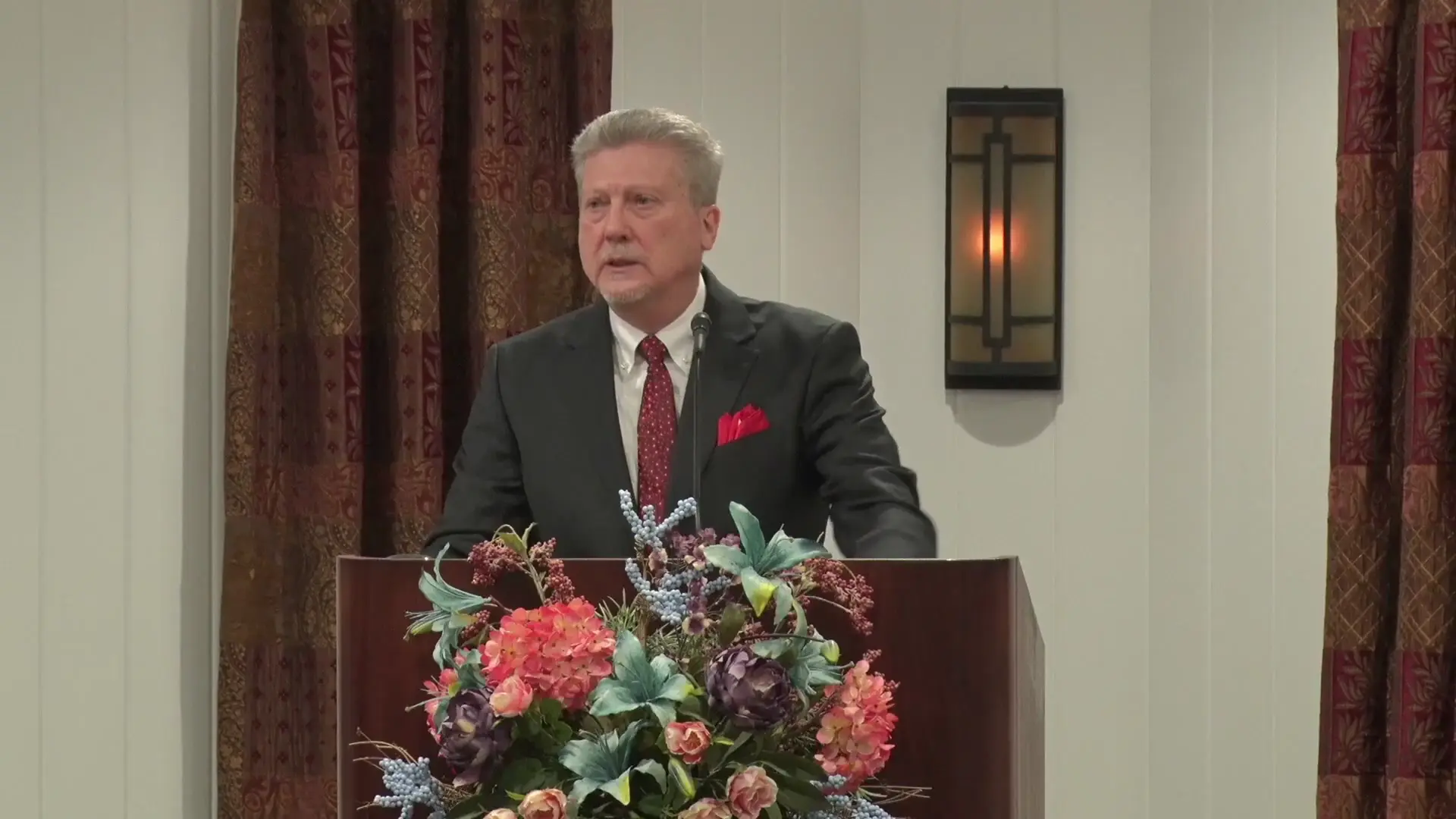
Sermon by Richard T. RitenbaughMessianic psalms are a vital genre within the book of Psalms, where the authors, under God's inspiration, prophesy about the coming Savior, Redeemer, and King. These psalms provide insights into both His first and second comings, sometimes directly referring to the Son of God who became Jesus Christ, and at other times using a type, such as David, whose life events prefigure aspects of Christ's humanity, ministry, sacrifice, resurrection, and other facets of His role as Messiah. The prophetic nature of these psalms often overlaps with royal and enthronement psalms, highlighting their Messianic significance. A select list of Messianic psalms includes Psalms 2, 16, 22, 40, 45, 69, 72, 89, 101, 110, and 118, chosen for their substantial content foretelling Christ's life, character, ministry, death, or rule. Beyond these, the book of Psalms contains around 70 clear references to Christ, many fulfilled in the New Testament, with additional prophecies yet to be fulfilled, indicating an even broader scope of Messianic content. Other psalms, such as Psalms 34, 41, 76, and 96, contain brief Messianic prophecies but are not primarily categorized as such due to their limited focus on Christ. Psalm 15, though not typically classified as a Messianic psalm, reveals a deep connection to Jesus Christ when viewed through the lens of His perfect character. It outlines the ideal qualities of one who can dwell in God's tabernacle, a standard only Christ fully meets, serving as an example for godly behavior in community and toward others. This psalm subtly points to Christ's sinless nature and His perfect judgment, contrasting how He despises the wicked while honoring those who fear the Lord, demonstrating His unerring insight into human hearts. Psalm 16, a recognized Messianic psalm, can be read as both David's words and as spoken by Jesus Christ Himself. It begins with a plea for God's preservation and a confession of dependence on Him, reflecting Christ's relationship with the Father, where He always gave credit to God for His works. The psalm highlights Christ's love for the saints, His rejection of idolatry and sin to fulfill His role as a sinless sacrifice, and His acceptance of God's will as His portion, culminating in a powerful prophecy of His resurrection and ascension, confidently asserting that God would not leave His soul in Sheol nor allow His Holy One to see corruption. Psalm 110 stands as a purely prophetic Messianic psalm, applicable solely to Christ as the anointed God, Priest, and King. It contains two divine oracles: the first declaring Christ's ascension to sit at God's right hand until His enemies are made His footstool, and foretelling His rule from Zion at His second coming; the second swearing an irrevocable oath that He is a priest forever after the order of Melchizedek, a priesthood superior to the Levitical order. This psalm portrays Christ as a victorious Priest-King who will judge nations, execute wrath, and establish His Kingdom, ultimately refreshing Himself in triumph after completing His mission for His people, who volunteer as sacrifices in the day of His power, reflecting their choice to serve Him.
Psalms: Book One (Part Five)
Sermon by Richard T. RitenbaughThe Psalms, particularly in Book One (Psalms 1 through 41), carry profound prophetic themes that align with the springtime season of Passover and Unleavened Bread. These themes resonate with the parallel structures of Genesis and the Song of Songs, emphasizing beginnings and the foundational aspects of God's plan. Among the central themes of Book One are the righteous versus the wicked, Torah as God's instruction, trust in God, and the pivotal role of the Messiah, the Anointed One, the Son. Focusing on the Messianic prophecies, Book One presents a detailed foreshadowing of the life and ministry of the Messiah, often through the lens of David's experiences as a type, with the Messiah as the ultimate reality. Psalm 2 introduces the Messiah as the Son who wields authority over adversaries, though it does not delve into His ministry or sacrifice. Further exploration reveals a broader prophetic narrative, especially concerning the fulfillment of Passover themes through His life, suffering, and ultimate triumph. Psalm 8 portrays the Messiah as the Son of Man, made a little lower than the angels, yet crowned with glory and honor, destined to have dominion over all creation. This prophecy underscores His incarnation and glorification, highlighting His role as the model of humanity's potential. Psalm 16 offers an intimate glimpse into the Messiah's trust in God, His commitment to the Father's will, and His hope in resurrection, expressing joy even in the face of death, knowing that God will not leave His soul in the grave nor allow His Holy One to see corruption. Psalm 22 vividly prophesies the Messiah's crucifixion, detailing His suffering with cries of abandonment, physical torment, and the piercing of hands and feet, while also foretelling the global impact of His sacrifice, leading to worship from all nations and the spread of His story through generations. Psalm 40 articulates the purpose of His ministry, emphasizing His role as the ultimate sacrifice, delighting in doing God's will with the law written in His heart, and proclaiming righteousness and salvation to the great congregation. Finally, Psalm 41 concludes Book One with a prophecy of betrayal by a close friend, yet affirms God's mercy in raising Him up to stand before His face forever, undefeated by enemies. These prophetic psalms in Book One, rooted in the historical context of David, point beyond to the Messiah's reality, revealing His suffering, sacrifice, resurrection, and ultimate reign, fulfilling the promises made through the ages from Genesis to the covenant with David, ensuring an eternal dynasty and the salvation of His people.
Psalms 90-100
Sermon/Bible Study by Richard T. RitenbaughThe Psalms, often cherished as songs of praise and comfort, hold a deeper significance beyond their poetic beauty. Many do not recognize the prophetic nature embedded within them, yet prophecy is a vital aspect of these writings. Psalm 83 speaks of a confederation rising against God and His people, pointing to a future assembly of nations against Israel in the end times. Psalm 22 stands out as a striking pre-account of the events surrounding Jesus Christ's final days, detailing aspects so precisely that it has been called the fifth gospel. Other psalms also address various prophetic themes, revealing insights into future events. A specific series of 11 psalms, from Psalm 90 to Psalm 100, forms a cohesive prophetic narrative relevant to our current era and the years ahead. These psalms align with the fall festival season, from Trumpets to the Last Great Day, and are especially fitting for the Feast of Tabernacles, culminating in Psalm 100. They present a progression of time, reflecting end-time events and prophetic parallels that unfold in a discernible order. Psalm 90 introduces this series, emphasizing God's eternal sovereignty over time and humanity's fleeting existence, urging a wise use of our days as we await His plan's fulfillment. Psalm 91 advances the timeline, often seen as the Place of Safety psalm, depicting protection amidst the terrors of the Great Tribulation and the Day of the Lord, promising deliverance to those who trust in God. Psalm 92, associated with the Sabbath and the Millennium, positions itself just before the Day of the Lord, portraying God's intervention, the destruction of the wicked, and the flourishing of the righteous as Christ's return nears. Psalm 93 marks Christ's return with majesty and strength, shaking the earth and overcoming opposition from the nations, establishing His reign. Psalm 94 focuses on His vengeance against the wicked who persecuted His people, affirming that judgment will return to righteousness. Psalm 95, the central psalm, calls for worship and warns against rebellion, addressing both the church and Israel as they emerge from tribulation, urging them to enter God's rest. Psalm 96, echoing earlier themes, celebrates Christ's reign and judgment, proclaiming the gospel worldwide as order begins to be established. Psalm 97 reinforces His return, urging endurance and the rejection of evil, promising preservation for His saints. Psalm 98, with its new song, reflects the joy of salvation shown openly to all nations, with nature itself rejoicing at the liberation from corruption upon Christ's return. Psalm 99 depicts Christ establishing His rule from Zion, emphasizing His holiness and justice, using historical examples to teach righteousness as His Spirit opens understanding to many. Finally, Psalm 100 concludes with a joyful call to all lands to serve and praise the Lord, acknowledging His enduring mercy and truth, signaling the onset of His rest in the Millennium and beyond. These 11 psalms collectively paint a panoramic view of end-time events, guiding us from the present through to the establishment of God's eternal kingdom.
Prophets and Prophecy (Part Three)
Sermon by John W. RitenbaughPsalm 22 reveals profound prophetic insights, drawing clear parallels to the crucifixion of Jesus Christ. In Psalm 22:1, the cry, "My God, my God, why have You forsaken me? Why are You so far from helping me, and from the words of my roaring?" echoes the anguish of Christ in His final hours. Further, in Psalm 22:6-8, the words, "But I am a worm, and no man; a reproach of men, and despised of the people. All they that see me laugh me to scorn: they shoot out the lip, they shake the head, saying, He trusted on the LORD that He would deliver him: let Him deliver him, seeing He delighted in Him," vividly portray the mockery and rejection Christ endured. These verses, born from David's personal reflections, transcend their original context to become a striking prophecy of the suffering Messiah, highlighting the deep connection between historical experience and future fulfillment in the life of Christ.
Jesus' Final Human Thoughts (Part One)
Article by StaffDuring His final hours, Jesus Christ was not preoccupied with the individual sins laid upon Him, but rather with deeper, more profound thoughts as revealed in Scripture. Among these thoughts were reflections from the Psalms and prophetic writings that underscored His suffering and mission. Jesus knew, as foretold in Isaiah 53:11, that by His knowledge He would justify many, bearing their iniquities, and He would see the travail of His soul and be satisfied. This prophetic insight indicates that His mind was focused on the fulfillment of God's will and the ultimate purpose of His sacrifice. Jesus was also aware of being despised and rejected, as prophesied in Isaiah 53, a reality that extended beyond His immediate time to encompass generations across human history. This rejection weighed heavily on Him, contributing to the intense sorrow and distress He experienced, particularly as He entered Gethsemane. The prophetic words of being cut off from the land of the living, as stated in Isaiah 53:8, pointed to His separation not only from humanity but, more painfully, from His eternal Father, culminating in His cry of abandonment on the cross. These prophetic elements from the Psalms and Isaiah shaped His understanding and experience of His sacrificial role during those final, agonizing hours.
Jesus' Final Human Thoughts (Part Two)
Article by StaffDuring His final hours, Jesus, in His immense suffering, drew upon the prophetic words of the Psalms, which He had inspired David to write a thousand years prior. As He hung on the stake, He cried out, "My God, My God, why have You forsaken Me?" fulfilling the prophecy of Psalm 22:1 at the peak of His agony, a moment planned and foreknown by Him and His Father. Even in delirium, His utterances remained rooted in His own Word. David's prophetic verses further depict the human Jesus enduring separation from His Father, waiting for reunification with a patience tested beyond measure. These psalms portray Him sinking in the mire of the world's sins, weary with crying, throat dried out, and eyesight failing, yet bearing this agony with the knowledge that He must wait for the final acts of His human journey to conclude before being reunited with His loving Father. Additionally, the assurance of Psalm 16:10 reveals that God the Father did not leave His beloved Son in the grave. He raised Him up, restoring to Him the incomparable mind and holy character They had shared for eternity before Jesus' human sojourn.
The Last Words of Jesus Christ
Sermon by Martin G. CollinsJesus Christ, in His final hours on the stake, spoke words that echoed the prophetic writings of old, revealing the depth of His mission. Among His seven statements, His cry, "My God, My God, why have You forsaken Me?" resounded with the anguish foretold in the Psalms, reflecting a profound sense of separation as He bore the weight of humanity's sins. This moment, recorded in Matthew and Mark, captures the intense loneliness He experienced, a fulfillment of ancient prophecy that underscored His role as the suffering Servant. Additionally, when Jesus expressed His thirst, saying, "I thirst," He fulfilled a specific prophecy from Psalm 69:21, where it was written that they gave vinegar for drink. This act, though seemingly small amidst His agony, confirmed His identity as the One spoken of by the prophets, consciously aligning His suffering with the scriptures as He endured physical torment. Through these prophetic fulfillments, Jesus' words from the stake stand as a powerful testament to His purpose, revealing not only His humanity but also His divine mission as foretold, offering a message of hope and victory over sin and death for all who witness His sacrifice.
Christ's Death, Resurrection, and Ascension
Sermon by Richard T. RitenbaughWe are going to examine three consecutive Psalms of David—Psalm 22, Psalm 23, and Psalm 24—to tie together the fulfillments of Christ's death, resurrection, and ascension to glory. These Psalms, written nearly 1,000 years before their fulfillment in Christ, foretell these events in fine detail, showing the succession of occurrences with remarkable clarity. Psalm 22 begins with the exact words Jesus spoke on the cross when all the sins of the world were placed upon Him, as God forsook Him due to the presence of sin. It vividly describes the suffering and mockery He endured, the piercing of His hands and feet, and the casting of lots for His garments, all of which came to pass during His crucifixion. This Psalm also speaks of the blessings and hopes resulting from His death, proclaiming that all the ends of the world shall remember and turn to the Lord, and future generations will declare His righteousness. Psalm 23, often seen in a new light through this lens, can be understood as a Sabbath Psalm reflecting Christ's life, death, and resurrection into His rest. It portrays the Lord as the Shepherd, guiding through the valley of the shadow of death with comfort and assurance, and ultimately dwelling in the house of the Lord forever. This reflects Christ's journey through death, His confidence in resurrection, and His current role at the right hand of God, working out salvation for us in the presence of His enemies. Psalm 24, a Psalm of praise, highlights Christ's ascension and His qualifications as Priest, King, Mediator, and Head of the Church. It speaks of ascending into the hill of the Lord, standing in His holy place, and describes One with clean hands and a pure heart—perfectly fulfilled by Christ in His sinlessness and holiness. This Psalm also acknowledges Him as the King of glory, strong and mighty, who has received blessing and righteousness from God, and it points to the congregation of those who seek Him as the Israel of God, made possible through His death, resurrection, and ascension. These three Psalms together demonstrate the precision of God's timing and the perfection of Christ's fulfillment of Old Testament types, underscoring His role as our Creator and Messiah through the events of those pivotal days.
Matthew (Part Twenty-Six)
Sermon/Bible Study by John W. RitenbaughAs Jesus walked ahead of His followers toward Jerusalem, deep in thought, He contemplated the prophecies that foretold His path. Among these were several Psalms that revealed the trials He would face. Psalm 55 spoke of betrayal by a friend, pointing to the anguish of being forsaken by someone close. Psalm 88 foretold the disloyalty of His disciples, who would all flee and leave Him alone in His hour of need. Additionally, other Psalms indicated that He would endure mockery and deliberate humiliation, underscoring the depth of suffering He was to bear. These prophetic words weighed heavily on His mind as He resolved to proceed to Jerusalem, fully aware of the suffering and death that awaited Him.
Hebrews (Part Eight): Greater Than Angels (cont.)
Sermon by John W. Ritenbaugh (1932-2023)The prophetic nature of the Psalms, particularly in relation to Jesus Christ's exaltation, reveals a profound divine plan. Psalm 2 stands as a significant prophecy, declaring the Messiah as God's Son with the words, "You are My Son, today I have begotten You," and promising Him the nations as His inheritance. This prophecy, not fulfilled near the time it was written, points to a future fulfillment that hinges on Christ's qualifications and appointment as High Priest, far surpassing the angels. The decree in Psalm 2, echoed in Hebrews 1, underscores a transition where Jesus became so much better than the angels, inheriting a more excellent name and office. Psalm 103 provides insight into the nature of angels, describing them as excelling in strength and obedient to God's word, serving as His ministers in the governance of creation. Similarly, Psalm 104 portrays angels as spirits and ministers of fire, actively employed by God to execute His will over the natural world. These descriptions highlight the high standing of angels, yet they are still commanded in Hebrews 1:6 to worship Jesus Christ, affirming His supreme authority as Creator and Redeemer. The prophetic fulfillment of Psalm 2 began when Jesus was born of Mary and culminated at His death for humanity's sins, marking the period of His human life—thirty-three and a half years—during which He qualified for the office of High Priest. This timeline, rooted in the Old Testament prophecies, establishes that only He, being fully God and fully man, could receive such a level of Sonship and authority, a status never attributed to any angel.
John (Part Four)
Sermon/Bible Study by John W. RitenbaughThe prophetic significance of the Psalms in relation to Jesus as the Messiah is a vital piece of evidence affirming His identity. Numerous prophecies in the Psalms, over which Jesus had no control, were fulfilled in His life and death, providing undeniable proof of His claim. Psalm 72:10, 12-15 foretells that gifts would be offered to the Child born as the Messiah. Psalm 41:9 predicts betrayal by a friend, while Psalm 69:4 speaks of being hated without cause. Psalm 38:11 describes friends standing afar off during His suffering, and Psalm 109:25 notes the scornful shaking of heads by onlookers. Psalm 22:6-8 captures the mocking He endured, Psalm 22:16 prophesies the piercing of His hands and feet, and Psalm 22:17 mentions being stared upon. Psalm 22:18 details the parting of His garments, Psalm 69:21 foretells being fed gall and vinegar, and Psalm 22:19 records His forsaken cry. Additionally, Psalm 34:20 predicts that His bones would not be broken. These specific fulfillments, among over 300 prophecies concerning the Messiah, underscore the impossibility of such events occurring by chance, solidifying the foundation of faith in Jesus as the Christ.
Acts (Part Four)
Sermon/Bible Study by John W. RitenbaughIn Acts 2, Peter employs prophetic Psalms to establish Jesus of Nazareth as the Messiah, emphasizing the fulfillment of ancient prophecies. He quotes Psalm 16 in Acts 2:25-28, where David speaks of the Lord always before him, rejoicing in hope that his soul will not be left in Hades or see corruption, pointing to the resurrection of the Messiah. Peter argues that since David himself is dead and buried, as evidenced by his tomb, this prophecy could not apply to him but must refer to the Holy One of Israel, Jesus, who was raised from the dead. Further, in Acts 2:30-31, Peter reinforces that David, as a prophet, knew God's oath that a descendant of his would sit on the throne, speaking of the resurrection of the Christ whose flesh did not see corruption. This is supported by references to Psalm 132:11-12 and Psalm 89:3, 35-37, which promise an enduring throne for David's seed, extending beyond earthly generations into the eternal Kingdom, signifying the Messiah's everlasting reign. Additionally, in Acts 2:34-35, Peter cites Psalm 110:1, where David declares that the Lord said to his Lord to sit at His right hand until His enemies are made a footstool. Peter clarifies that David's Lord is Jesus, the Messiah, exalted to God's right hand, distinguishing between the Father and the Son, and affirming Jesus' divine authority and messianic identity. Through these prophetic Psalms, Peter builds a compelling case to convict his audience that Jesus, whom they crucified, is both Lord and Christ, fulfilling the scriptures as the resurrected and exalted Messiah.
Considering the Day of the Lord
Sermonette by David C. GrabbeThe ancient Israelites smugly believed that God was on their side, and that because He had not yet responded to their sins, they would be victorious.
God's Will in the End Time
Feast of Tabernacles Sermon by Richard T. RitenbaughIn the prophetic context of the end times, Psalm 2 reveals a powerful depiction of the nations raging and plotting against the Lord and His Anointed, seeking to break free from Their authority. Yet, He who sits in the heavens shall laugh and hold them in derision, speaking to them in His wrath and declaring His decree. He has set His King on His holy hill of Zion, proclaiming Him as His Son, to whom He will give the nations as an inheritance and the ends of the earth as a possession. This King shall break them with a rod of iron, dashing them to pieces like a potter's vessel, signifying the ultimate triumph of God's will over human rebellion in a time of severe judgment.
Faith, Government, and the Calendar (Part Four)
Sermon by John W. RitenbaughThe prophetic nature of the Psalms, particularly in the context of end-time events, reveals a significant theme that underscores God's purpose and authority. The fifth and final book of Psalms, beginning with Psalm 107 and extending through Psalm 150, focuses on end-time events, culminating in the return of Jesus Christ with expressions of glorious praise. Within this framework, Psalm 108 emphasizes God's sovereignty and His relationship with His people, identifying Judah as His lawgiver in the end times just before Christ's return. This role of Judah as lawgiver, as highlighted in Psalm 108:7-9, affirms their responsibility in preserving the laws and traditions, including the calculated Hebrew Calendar, which remains a vital element of worship and national identity for Israel. God's declaration in His holiness within this Psalm underscores His ongoing commitment to His beloved, whether understood as David, Israel, or the church, pointing to a divine plan that continues to unfold through His chosen people and their adherence to His ordinances.
Prophecy in Song
'Prophecy Watch' by Richard T. RitenbaughWithin the broader context of the Old Testament's organization into the Law, the Prophets, and the Writings or Psalms, the prophetic nature of many Psalms stands out. Psalm 22 clearly foretells Christ's suffering and death, while Psalm 118 anticipates His triumphal entry into Jerusalem just prior to His crucifixion. Various other chapters and verses in the Psalms are recognized as prophetic, shedding light on Christ's ministry or the mission of the church. This prophetic element, though prominent in the Psalms, prompts a deeper inquiry into whether other books within the Writings might also carry such significance, highlighting the interconnectedness of these scriptural categories.