


Filter by Categories
What Is the Holy Spirit?
'Ready Answer' by David C. GrabbePaul, in II Timothy 1:6-7, urges Timothy to stir up the gift of God which is in him through the laying on of hands, emphasizing that God has not given us a spirit of fear, but of power, love, and a sound mind. This gift, identified as the Holy Spirit, is bestowed through the laying on of hands and is something that can be actively stirred up. It counters human fear and shame, enabling strength and endurance in hardship. The Holy Spirit, as a spirit of power, provides the capacity for achieving God's will and work through an individual, though this power is not for personal use but is constrained by love and sound-mindedness. As a spirit of love, it moves us to act rightly toward God and others, regardless of personal cost, and as a spirit of a sound mind, it disciplines our thoughts, making them sensible, balanced, and aligned with God's own mind. By yielding to and making use of this Spirit, we grow in God's image, becoming witnesses of His goodness, love, and holiness, reflecting His glory to the world.
Lying to the Holy Spirit
'Ready Answer' by Richard T. RitenbaughIn the early church, as described in Acts, the Holy Spirit was a powerful presence among the believers, guiding and revealing truth through the apostles. Paul instructs Timothy to stir up the gift of God which is in him through the laying on of hands, emphasizing that God has not given a spirit of fear (II Timothy 1:6-7). This language, using verbs like "stir" typically associated with objects, illustrates how the Holy Spirit is described as a dynamic force or gift from God, to be actively engaged and utilized by believers. Through this gift, God's power and will are manifested, enabling His children to live according to His purpose and overcome challenges.
Elite, Special Spiritual Forces Training
Sermonette by Bill OnisickLike a muscle, God's Spirit must be continually used to overcome Satan's attacks in our minds which are, without discipline, hostile to God's laws.
The Fruit of the Spirit: Self-Control
'Personal' from John W. RitenbaughHas anyone, other than Jesus Christ, really exhibited self-control? In the end, however, this is the ultimate aim of growing in the character of God.
Is Speaking in Tongues the Only Sign?
Sermonette by Ted E. BowlingIn Pentecostalism, speaking in 'tongues' is the worshipped sign that God has accepted a person. Yet the miracle of Pentecost was not the speaking gibberish.
Strategies for Interfacing with Babylon without Becoming Assimilated (Part Five)
Sermon by David F. MaasGod is not a closed triangular Trinity, but a family consisting of God the Father and God the Son, and will include billions of resurrected, glorified saints.
What Do You Fear? (Part Two)
CGG Weekly by David C. GrabbeFear can be broken down into two broad categories: the fear of God and the fear of everything else. If we fear God, we will not need to fear anything else.
Our Part in the Sanctification Process (Part Ten): Cultivating the Fruit of Self Control
Sermon by David F. MaasIt is impossible to cultivate self-control unless one uses God's Spirit to reprogram the desires of the heart from self-centeredness to submission to God.
Be There Next Year!
Sermon by John W. RitenbaughWhether we do or do not make it to the Feast of Tabernacles next year depends on our faithfulness at stirring up the gift of God's spirit within us.
How Fear Resists Faith
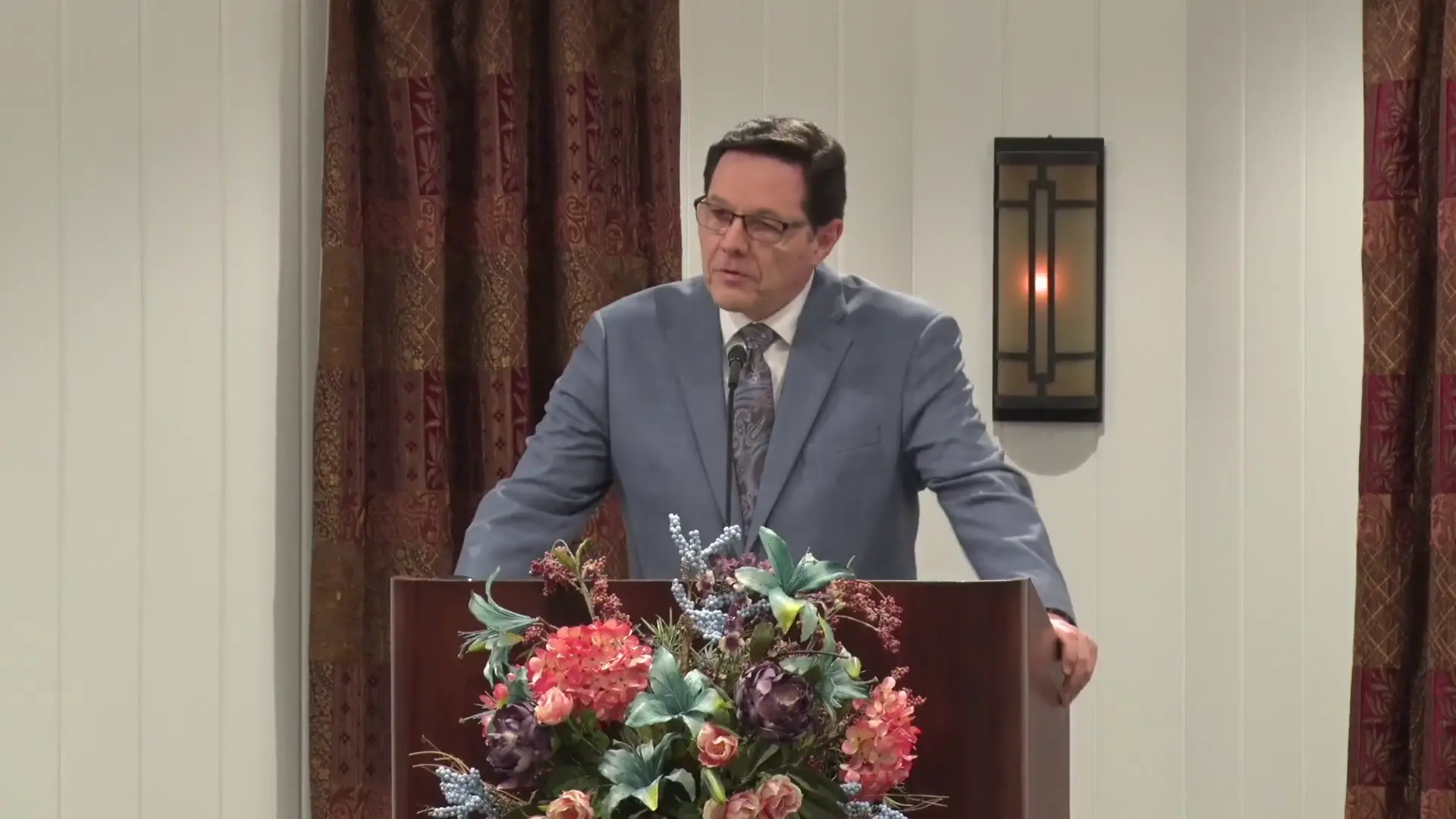
Sermon by Martin G. CollinsThe exhortation to stir up the gift of God's Spirit stands at the very center of overcoming fear of the unknown, and this principle emerges directly from Paul's letter to Timothy. Facing certain death as a prisoner in Rome, Paul wrote to a faithful but fearful minister, commending Timothy's genuine faith, which had also dwelt in his grandmother Lois and mother Eunice, while simultaneously delivering a firm reprimand and reminder. In II Timothy 1:6-7, Paul instructs Timothy to "stir up the gift of God which is in you through the laying on of my hands," immediately following this with the declaration that God has not given a spirit of fear, but of power, love, and a sound mind. This constitutes a two-fold lesson: first a reprimand, because Timothy had been gripped by fear despite already possessing God's Spirit; second a reminder, because the solution required no new spiritual ingredient—only the activation of what he already possessed. The core problem this addresses is a failure to recognize God's gift of the Holy Spirit and to acknowledge that God continues giving it through every circumstance. Timothy, like many fearful Christians, began thinking about himself and his future as though he were still an ordinary worldly person, forgetting that he had been born from above and indwelt by God's Spirit. This lapse—believing the truth yet acting as if none of these spiritual realities had occurred—causes believers to compare their natural weakness against the greatness of their calling, resulting in discouragement and paralysis. Rather than dwelling on personal insufficiency, the remedy is to stir up, to actively remind oneself of what God has already deposited within. This stirring produces three specific fruits, each countering fear directly. Power addresses timidity and cowardice, enabling even the weak—illustrated by Peter's transformation from denying Christ out of fear to boldly facing death—to fulfill their responsibilities. Love counters the self-absorption underlying fear, since fearful people are consumed with self-concern; only becoming absorbed in love for God and others dispels this self-focus. A sound mind, meaning discipline, self-control, and balanced judgment, replaces anxious instability with calm reasoning. Stirring up this gift is thus not a one-time act but an ongoing responsibility maintained through prayer and Bible study, which fuel and activate the Spirit's presence. God will not fill believers with courage, love, and usefulness if they neglect their spiritual lives. Ultimately, stirring up the gift means refusing to let temperament or circumstance control the believer; instead, the Holy Spirit must govern temperament, directing it toward godly purposes rather than allowing natural fearfulness to dominate.
Assurance (Part One): Self Examination
Sermon by Martin G. CollinsSalvation is an ongoing work of God, obligating us to walk in the Spirit. If we do, we will be not captivated by the lusts of the flesh.
Eating: How Good It Is! (Part Five)
'Personal' from John W. RitenbaughBoth food and information are readily available in the West. What is our approach to them? Our attitude toward and application of them makes all the difference.
God Expects a Return on His Investment (Part Seven)
Sermon by David F. MaasGod has generously given us a set of tools that we must use for overcoming and building character, as well as edifying our spiritual siblings.
Maintaining Good Health (Part 9)
Sermon by John W. RitenbaughGood spiritual health follows the same patterns and laws as do physical and psychological health. Any permanent change in character must come from within.
Are You Weary of Doing What's Right?
Sermon by Martin G. CollinsSowing to the Spirit enables us to walk in the Spirit, keeping ourselves from spiritual weariness while keeping an environment of peace and tranquility.
Becoming Fearless
Sermon by Mark SchindlerWhen Job was afflicted with physical problems, he learned that God was using them to perfect him. Afflictions are intended to bind us together.
Strategies for Escaping Babylon (Part Two)
Sermon by David F. MaasIn the Olivet prophecy, Jesus gave His disciples a pointed warning about rampant deception occurring at the close of the age, engineered by the arch deceiver.
Faithful Minister in Perilous Times
Sermon by David F. MaasPaul exhorts Timothy not to neglect the gift given through prophecy with the laying on of the hands of the eldership, a charge that extends to all believers who have received spiritual endowments from God. The apostle specifically reminds Timothy to fan into flame the gracious gift of God, the inner fire and special endowment that dwells within him through the laying on of hands, urging him to kindle it afresh rather than allow it to grow dormant. This stirring up counters the effects of fear, distraction, discouragement, or complacency that can cause gifts to weaken when left unused. The laying on of hands signifies recognition, commissioning, and identification with God's work, as seen when leaders at Antioch set apart Barnabas and Saul or when Moses commissioned Joshua by placing hands on him to transfer authority under the guidance of the Holy Spirit. Such confirmation comes through mature spiritual leaders who discern and affirm the gifts God has already placed within an individual. Once confirmed, gifts require deliberate cultivation through prayer, diligent Scripture study, consistent service, and teachable exercise so that they grow and benefit others rather than remain ineffective. The purpose of these Spirit-given abilities is the common good, equipping the body of Christ for works of service, building up the church in unity, and advancing the Kingdom until believers reach maturity in the faith. Neglect carries consequences, depriving fellow believers of needed ministry and diminishing one's own stewardship, whereas faithful development multiplies the gift and leads to commendation as a good and faithful servant. In this way the call to stir up the gift of the Holy Spirit forms an essential part of remaining grounded in sound doctrine, pursuing godliness, and serving Christ amid deception and apostasy.
What Is the Work of God Now? (Part Four)
Sermon by John W. RitenbaughThe scattering of the church was an act of love by God to wake us from our lethargic, faithless condition. The feeding of the flock is the priority now.