


Filter by Categories
Use Words Carefully
CGG Weekly by Gary MontgomeryHuman nature, under the influence of the world and satan, often leads to destructive interactions through demeaning and sarcastic comments. An exchange of cruel words can cause considerable harm, hurting deeply and lingering far longer than physical wounds. Such belittling, condescending, and patronizing speech acts as a passive-aggressive form of verbal insult, masking abuse behind a façade of friendliness. Behind these harsh words lies an attitude of pride and arrogance, as perpetrators seek a sense of superiority by putting others down. Words are powerful; they can wound deeply, cutting emotionally like a knife. Inappropriate language can humiliate and injure, while good words have the potential to calm, heal, and build up, lifting the weak into a positive frame of mind. Many, however, fail to recognize the weight of their speech or the day of reckoning for every careless word, as warned by Jesus Christ. Even when confronted, some deny their abusive language, having grown accustomed to demeaning others. We are called to live by higher standards, following the example of our Savior Jesus Christ, who endured verbal attacks yet taught the way of love. We must show love through our speech, lifting each other up and supporting relationships as we move toward God's Kingdom. Even in jest, we must be cautious, as unintentionally cruel words can harm. Instead of following the world's proud, aggressive ways, we are to develop the habit of building others up with our words, expressing compassion and humility to live the life God desires for His children.

Our Words Matter: Are They Harmful or Helpful?
Sermon by Ted E. BowlingHarsh words wield a destructive power that can inflict deep emotional wounds, often lasting far longer than physical injuries. They are frequently judgmental, subjective, and one-sided, fostering negativity, resentment, and distrust. The pain caused by such words can create invisible scars that some carry for a lifetime, leading to anxiety, stress, anger, fear, depression, and even impacting mental health. We must never underestimate the power of our words, especially when spoken by adults to children, as offhanded remarks like "You're just stupid" or "You're worthless" can shatter self-esteem and instill doubt for years. Our words matter profoundly, and the Scriptures emphasize that we will be held accountable for what we say. Harmful words can separate and destroy, negating countless kind statements with a single negative one. The tone and volume of our speech can convey love or hate, and God abhors destructive language, as seen in Proverbs 6:12-19, where a lying tongue, a false witness, and sowing discord are listed among abominations to Him. Lying, rooted in the deceit introduced by satan in the Garden of Eden, stands in stark contrast to the honesty and purity God expects of us. Sowing discord, likened to shooting an arrow that cannot be recalled, is akin to "shooting off the mouth," speaking without discretion and causing strife. Talebearing and gossip, condemned in Leviticus 19:16 and various Proverbs, reveal secrets and separate friends, inflicting pain that may never heal. Such words often aim to diminish others to elevate oneself, rarely praising or edifying. We must guard our tongues against lying, discord, and gossip, as these tear down and distract from God's love. Words have the power to start fires of conflict, much like a small spark can ignite a devastating blaze. A rumor or half-truth can grow, becoming exaggerated and destructive as it spreads. We must consider the impact of our statements, recognizing that harsh speech can embarrass, hurt, ridicule, or humiliate others. Our goal should be to reflect God's love and character, ensuring our words do not diminish His nature as we represent Him.
Reacting to Criticism
Commentary by Martin G. CollinsMany in society today use harsh words to demean and criticize others, whether through political attacks, sensational media headlines, or everyday rude comments that judge decisions and highlight faults while offering little positive. This critical mood influences people, leading them to speak or hear uncomplimentary remarks that can stir anger, depression, or pride. Solomon addresses such words in Ecclesiastes 7:20-22, noting that no one on earth is without sin and advising not to take to heart everything people say, lest one hear a servant cursing. The Hebrew term qalal describes these words, conveying the sense of making light of someone through swift, cutting remarks that range from mild criticism to violent accusations or curses. The wise response is to ignore such comments rather than react, for they feed sin either way, and instead bring any offense to God in prayer to discern if truth exists, then repent and give thanks if it does. Wisdom also requires giving others the benefit of the doubt instead of assuming conspiracy, since reports may be misunderstood or false, and since controlling one's own tongue is a constant challenge, as James notes that all stumble in many things. Criticism cannot be avoided, yet overlooking offenses proves easier than avenging them, and self-righteous critics often condemn others for faults unlike their own, as the parable of the Pharisee and tax collector illustrates, where the one who humbles himself receives justification. David exemplified patient endurance when cursed by Shimei, refusing retaliation and committing the matter to God, who sees every word spoken about others or by them. Those who accept criticism without vengeance may receive divine compensation, and Jesus teaches that forgiving others' trespasses is essential if one seeks forgiveness from the heavenly Father.
Sticks and Stones
'Ready Answer' by Ted E. BowlingWhat are we to do when destructive words come our way? We must learn to take everything with much patience and longsuffering, which will result in peace.
The Honeycomb
Sermonette byWords spoken in anger or thoughtlessness, though they may not break bones, can irreparably damage or destroy a person's spirit long after broken bones heal.
Flame Wars
Sermonette byAre we part of flaming — the aggressive and offensive interaction between Internet users? Or do we pursue righteousness in our speech and communication?
Reviler
Sermonette by Ronny H. GrahamAs culture degenerates, the sin of reviling has become more pervasive, as impatient narcissists lash out at others, using foul and abusive language.
The Great Divide
Sermonette byResentment unresolved can make us physically and spiritually sick. It raises havoc with our nervous system as well as jeopardizes our salvation.
A Root of Bitterness (2016)
Sermonette by Bill OnisickOnly by letting go of the poisonous root of bitterness can we become like our Elder Brother, Jesus Christ, and our Heavenly Father.
Anger (Part Two)
Sermon by Martin G. CollinsWe dare not let the sun go down on our wrath. Uncontrolled anger can be a major cause of mental and physical illness. We must reconcile with our adversaries.
Pure Language Restored
Feast of Tabernacles Sermon by Martin G. CollinsWhen we repeat negative expressions, they become reinforced, and we develop a negative disposition. Our spoken words reinforce our thoughts.
The Meekness and Gentleness of Christ
Sermon by Martin G. CollinsJesus demonstrated His meekness in His treatment of many with whom He interacted. Balancing firmness and gentleness, He seeks to save rather than destroy.
Conduct of the New Life
Sermon by Martin G. CollinsDriving out the evil must be followed by cultivating goodness and righteousness. An antidote to depression is to get our hearts focused on someone else.
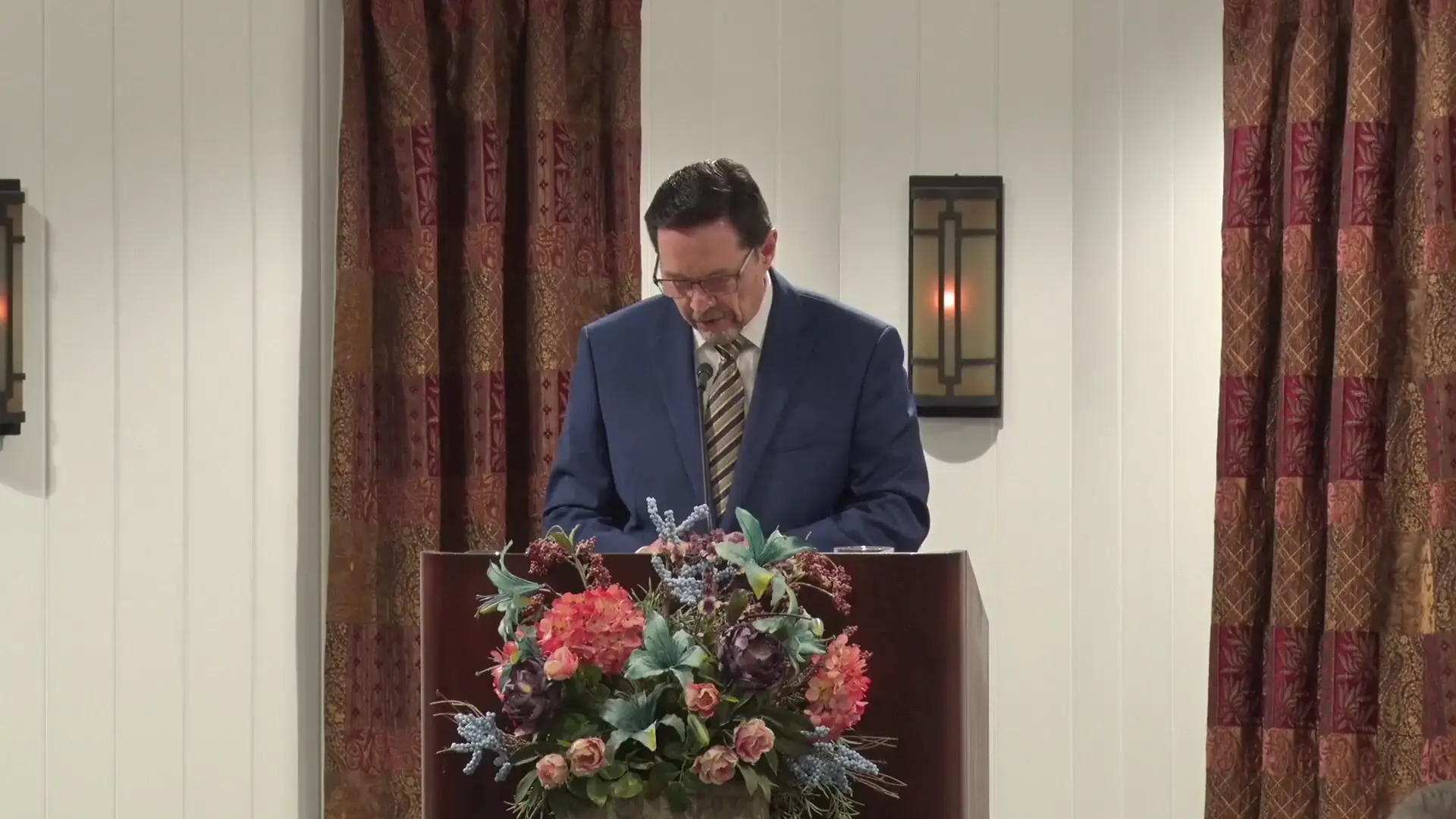
Displaying a Good Conscience: Politeness
Sermon by Martin G. CollinsTrue politeness is not mere social formality but a sacred expression of Christian virtue. Genuine courtesy flows from love, humility, patience, and integrity.

Speaking the Truth in Love
Sermon by Bill OnisickOur speech reveals the true condition of our hearts. Even truthful words can be brandished as tools of destruction when delivered with pride or malice.
Unity (Part 4): The Voice of God
Feast of Tabernacles Sermon by John W. RitenbaughThe voice of God, whether expressed through thunder, events of His providence, handiwork of creation, or the preaching of His truth, is recognizable to His flock.