


Filter by Categories
The Handwriting Is on the Wall (2021)
Feast of Tabernacles Sermon by Mark SchindlerIn the account of Daniel 5, the handwriting on the wall appeared as a divine message of judgment against Belshazzar, revealing the end of his kingdom through the inscription MENE, MENE, TEKEL, UPHARSIN. This writing, interpreted by Daniel, signified that God had numbered Belshazzar's kingdom and finished it, found him wanting in the balances, and divided his kingdom to the Medes and Persians. Similarly, in Colossians 2, the apostle Paul speaks of a different handwriting, one of requirements that stood against us, contrary to us. Through His sacrifice, Jesus Christ has wiped out this handwriting of requirements, taking it out of the way by nailing it to the cross, thus disarming principalities and powers and triumphing over them. This act of divine grace removes the penalty of our past sins, freeing us from the bondage of those requirements that once condemned us.

Was God's Law Nailed to the Cross?
'Ready Answer' by Earl L. HennThe phrase "handwriting of requirements," translated from the Greek cheirographon tois dogmasin, refers to a legal document, bond, or note of debt. Cheirographon means anything written by hand, while dogmasin indicates decrees, laws, or ordinances, representing a body of beliefs or practices guiding one's conduct. In Colossians 2:14, Paul explains that Christ, by His death, wiped out this note of guilt or debt that we owed due to our sins, which stemmed from our past way of life governed by the standards of this present, evil world. Now, having repented and accepted Christ, we live by God's standards, and He has wiped out the debt acquired from our sins, imputing righteousness to us. This handwriting of requirements, paralleling the forgiveness of all trespasses, signifies the record of our transgressions, not the law itself. Furthermore, what was nailed to the cross was this singular note of debt, as the pronoun "it" in verse 14 refers back to "handwriting," not the plural "requirements." Historically, only the condemned person and an inscription of their crimes were nailed to the stake of crucifixion, and in Christ's case, our sins were symbolically nailed to the cross in His body, representing the debt we owed God for breaking His laws.
A Conversation With Paul
Sermonette by Craig SablichIn my imagined conversation with the apostle Paul, he addressed the misunderstanding surrounding Colossians 2:14, where it is written that Christ wiped out the handwriting of the requirements nailed to the cross. Paul clarified that this handwriting refers to the record of debt, our sins that condemn us, not the law itself. He emphasized that Christ removed the debt, freeing us from the penalty of death, but not from obedience to God's law. Paul insisted that the curse is death, not God's law, and that his teachings consistently upheld this distinction across his letters to the churches.
Colossian Law-Keeping
Sermon by Richard T. RitenbaughNominal Christendom cannot see God's law even though it is in plain sight. In Colossians, Paul reiterates or alludes to all but one of the Ten Commandments.
Hebrews: Its Background (Part One)
Sermon by John W. Ritenbaugh (1932-2023)Although God never intended the Old Covenant to endure eternally, the spiritual law (shared by both the old and new covenants) lasts forever.
God's Law in Our Mouths
Sermon by Richard T. RitenbaughThe Protestant doctrine of grace is antinomian, thinking that justification is a synonym for sanctification and salvation, ruling out any need for works.
The Promises of God
Sermon by John O. ReidIn this time of confusion and rapid change, we have a desperate need for something solid to hold onto. Some of the most secure things are the promises of God.

Who Fulfills the Azazel Goat— Satan or Christ? (Part Three)
'Ready Answer' by David C. GrabbeHebrews 9 and 10 clarify the Atonement ritual of Leviticus 16. The author makes no mention of Satan, but says that Jesus bears our sins like the azazel goat.
Understanding the Azazel Goat
Sermonette by David C. GrabbeThe goat for azazel (complete removal) bore the sins of the nation out of sight. Jesus Christ likewise had our iniquities laid on Him, and He bore them.
The Covenants, Grace, and Law (Part Twenty-One)
Sermon by John W. RitenbaughThe Colossian Christians were criticized by ascetics for the way they were keeping the Sabbath and holy days. Paul argues against a philosophy, not the law of God.
Forgiveness and Hope
CGG Weekly by John ReissForgiveness concerns each of us, and without God's forbearance, we would have absolutely no hope for anything beyond this brief, physical life.
Liberalism and Today's Christianity
Commentary by John W. Ritenbaugh (1932-2023)The Beast will deceive countless numbers of people, as can be illustrated by the recent syncretistic admixture of Christianity and Islam known as Chrislam.
Peace, Peace (Part One): Peace with God
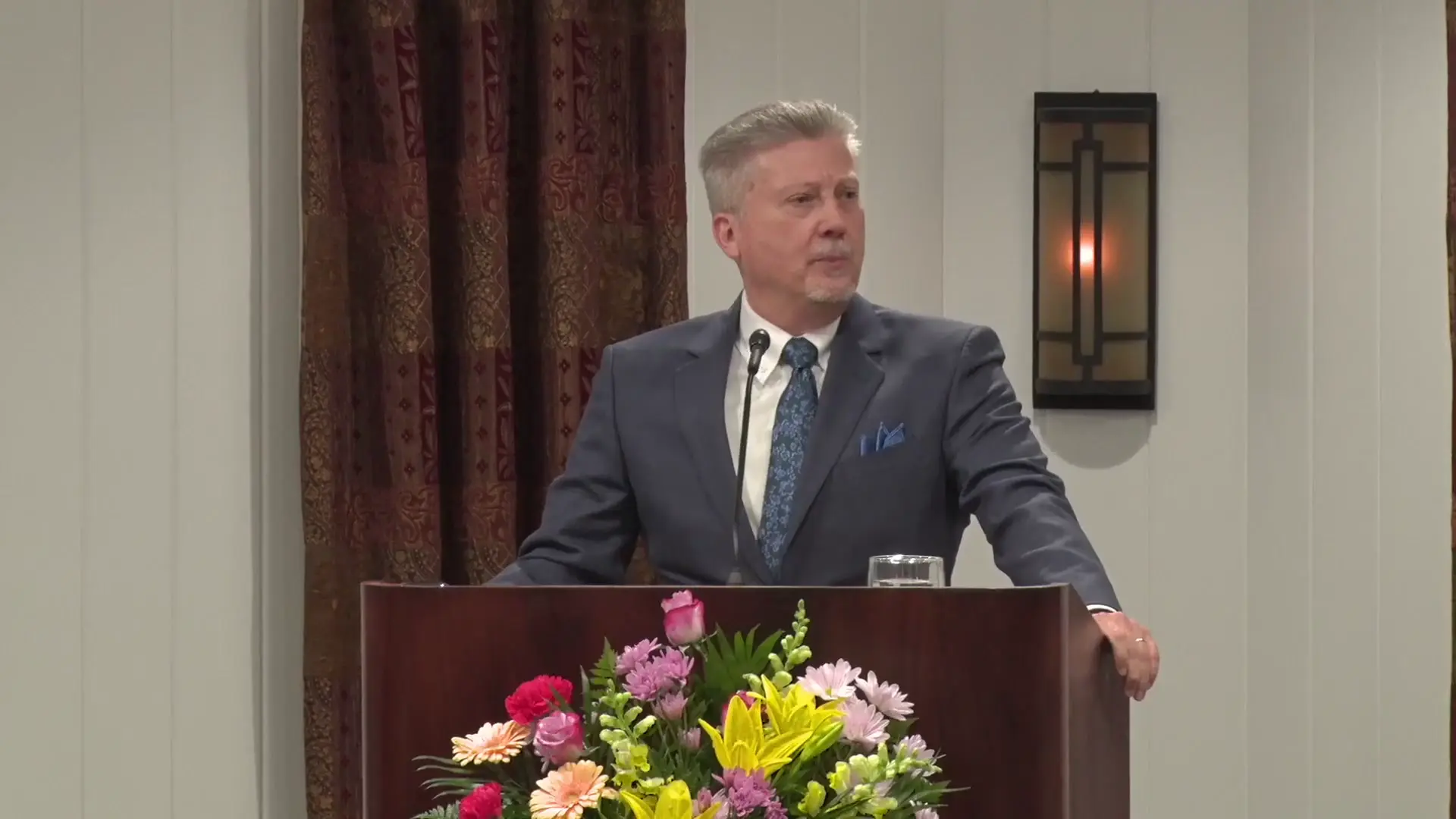
Sermon by Richard T. RitenbaughIn the redemptive work of Jesus Christ, a profound act of grace is revealed through the cancellation of our guilt. As described in Colossians 2:13-14, we were dead in our trespasses, burdened by the uncircumcision of our flesh, with no way to escape the weight of our sins. Yet, He has made us alive together with Him, having forgiven us all our trespasses. He wiped out the handwriting of requirements that was against us, a record of our sins that stood as a testament to our guilt, contrary to our very being. This record, which marked us for judgment, He has taken out of the way, having nailed it to the cross. Through His sacrifice, the burden of our guilt was removed, opening a path to reconciliation and peace with God.
Will You Be Accounted Worthy for the Kingdom?
Sermon by John O. ReidLike businessmen reviewing plans, making forecasts, and anticipating accountability, God expects us to define and follow through on spiritual objectives.
The Colossian Heresy and Laodiceanism
Sermon by Richard T. RitenbaughColossae and Laodicea were susceptible to fast-talking teachers, whose plausible words eroded the true Gospel in favor of pagan thought and practice.
Remembering Your Vows
Sermon by John O. ReidLike the marriage covenant, counting the cost is the most serious part of the baptismal agreement, not something to be taken lightly.
God of the Living
Sermonette by Clyde FinkleaJesus proclaimed that God was not the God of the dead but the living, identifying Abraham, Isaac, and Jacob, who were physically dead and in their graves.
What Are the 'Ordinances' of Colossians 2:14 and Ephesians 2:15?
Bible Questions & AnswersThe word 'ordinances' does not refer to God's laws. It is translated from the Greek word dogma and refers generally to opinions, judgments, and decrees.