


Filter by Categories
That No Flesh Should Glory
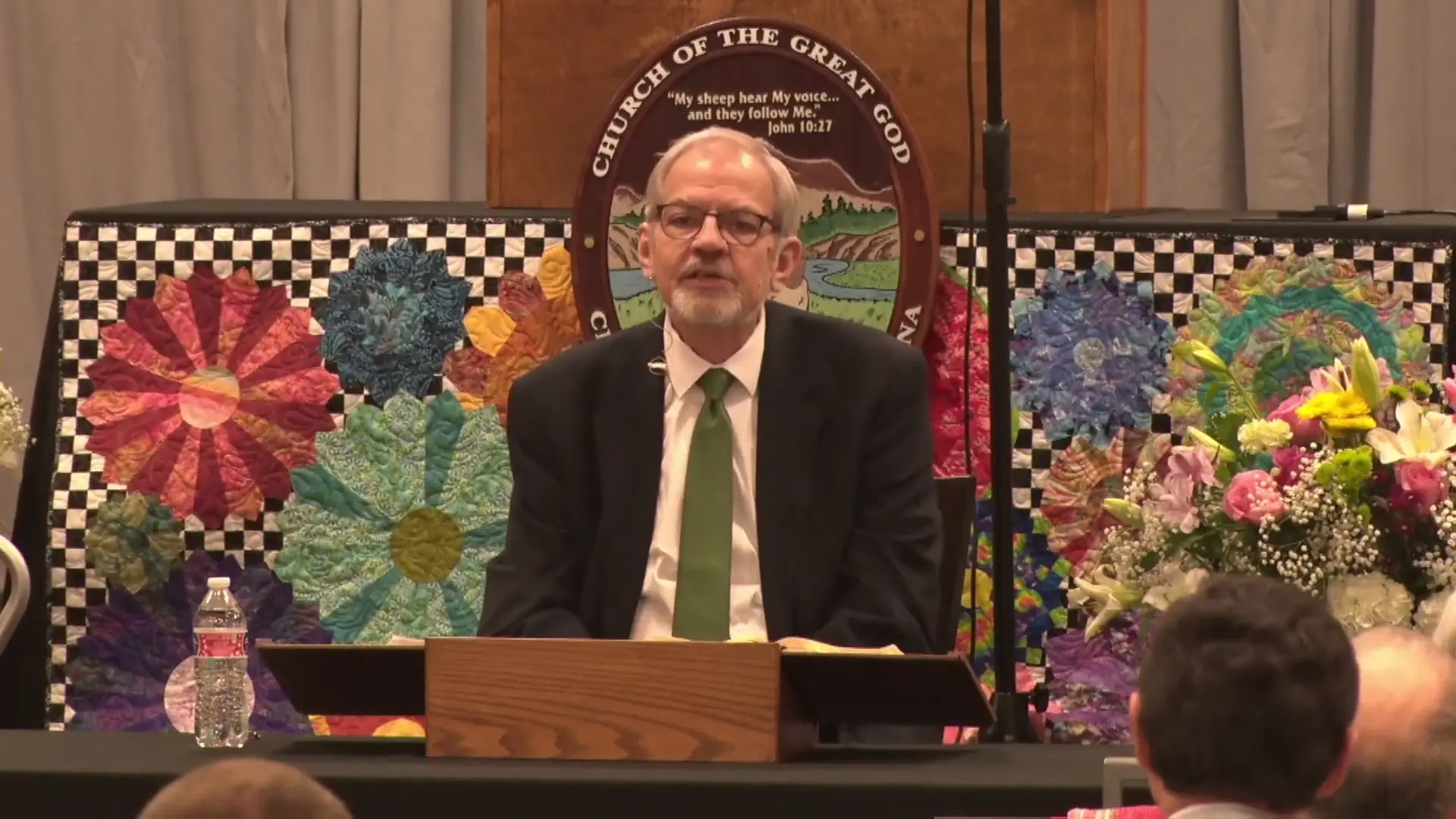
Sermon by Mark SchindlerIn the wisdom of God, no flesh should glory, for the greatest of human minds and strength cannot compare to His infinite understanding and power. The apostle Paul, despite his brilliant mind, submitted fully to God's Holy Spirit, choosing divine wisdom over his own abilities, even when it appeared as foolishness to the wise men of Corinth. This submission is a struggle for all, as we battle our carnal nature to trust God completely, fearing to appear foolish before men while tempted to rely on our own capacities. Satan seeks to turn our God-given gifts into sources of pride, a trap far worse than the pride of those who argue against God's truth, for judgment begins at the household of God. We are gifted with priceless understanding, yet we must bear witness in spiritual maturity, following the example of Christ, who gave up all His rights and privileges as God to die for His creation and bring mankind into Their image. The wisdom of this world deems this foolishness, but we must resist our carnal urges to place ourselves before God. Satan is ever scheming to lead us astray, as seen in Peter, who, despite his gifts, often let his boldness and passion override God's wisdom. Yet, God exposes satan's deceit, guiding us through painful growth to reveal His wisdom from above and set us back on the path. All glory belongs solely to our great God, and no flesh should glory, regardless of the gifts bestowed upon us to be used according to His wisdom.
Let Him Who Glories Glory in This (Part Three)
Feast of Tabernacles Sermon by Mark SchindlerRooted in Jeremiah 9:23-24, this three-part series titled "Let Him Who Glories Glory in This" calls God's elect to find their glory not in wisdom, might, or riches, but in knowing and understanding God as He exercises loving kindness, judgment, and righteousness throughout the earth. The series began by examining why God's people keep His holy days, grounding the answer in Leviticus 23:1-4. God's holy convocations are not merely scheduled gatherings but sacred periods during which His people, as a kingdom of priests in training, are expected to remain fully present and grow in righteousness. How believers conduct themselves during these times, including how they raise their children, becomes a living proclamation before the world. Malachi 4 warns that without a truly repentant remnant, God would devote the earth to destruction, and believers are called to be the vanguard of that remnant now. The second sermon explored grace within the kingdom of God, using King David as an example of someone who, despite imperfection, grew to recognize that everything he had came from God alone. Paul's citation of Jeremiah 9:24 in both 1 Corinthians 1 and 2 Corinthians 10 reinforces that God deliberately chooses the weak and foolish to shame the wise, ensuring no flesh glories in His presence. The final sermon traces God's kingdom of righteousness from before creation itself, through the rebellion of Helel, the faithfulness of Noah and Abraham, and forward to the ultimate restoration described in Revelation 21. God's sovereign plan has never wavered. From the angels shouting for joy at creation to Abraham sojourning in faith toward a city whose builder is God, a select few in every age have understood and proclaimed the reality of God's righteous kingdom. Believers today stand within that same unbroken line, called to represent God's kingdom now and prepare to serve fully in
Leadership and Covenants (Part Seventeen)
Sermon by John W. Ritenbaugh (1932-2023)Because the world is under the sway of the wicked one, if mankind were left to its own choices, the world would revert to the condition before the Flood.
God's Workmanship (Part 1)
Sermon by John W. RitenbaughGod's creation did not end with the physical creation or our election, but God continues to work, giving us the motivation and the power to do His will.
Grace, Unleavened Bread, and the Holy Spirit
Sermon by John W. RitenbaughWe eat unleavened bread because of what God has done, not what we have done. Eating unleavened bread symbolizes following God and displacing sin.
The Sovereignty of God (Part Six)
Sermon by John W. RitenbaughGod has consistently moved His creation toward its ultimate purpose, setting the bounds of nations, motivating rulers to pursue a certain course of action.

Sacrificial Service Within the Body
Feast of Tabernacles Sermon by Mark SchindlerWe have all been placed into the Body of Christ with unique gifts God has graciously given to each of us for a pleasing burnt offering service.
God's Creation and Our Works
Sermon by John W. RitenbaughLike Joseph, we need to realize that God—not ourselves—is the Creator, engineering events that form us into what He wants us to become.
The Sovereignty of God (Part Eleven)
Sermon by John W. RitenbaughUnderstanding God's sovereignty as a basic doctrine provides a link between knowledge and practice, as well as providing motivation to yield to God's purpose.
Thank You for Finishing What You Start!
Sermon by Martin G. CollinsWe should be thankful to God for His Holy Spirit, spiritual blessings, fellowship, as well as God's promise that He will finish what He has started.
Faith (Part One)
Sermon by John W. RitenbaughWe would like God to instantly gratify our desires. Consequently, we find living by faith difficult; we do not trust that He has things under control.
His Eye Is on the Sparrow (Part Three)
Sermon by John W. Ritenbaugh (1932-2023)We do not need to excessively fear Satan, his demons, or the world, but we should fear and respect the One who has complete involvement in our lives.
No One Else Matters (Part Two)
Sermon by Richard T. RitenbaughSin has tainted the most faithful leaders. Most (perhaps all) church leaders have skeletons in their closets, but we follow them as they follow Christ.
God Works in Mysterious Ways (Part Two)
Sermon by John W. RitenbaughGod has providentially given us trials to build character, proving beyond a doubt that we believe Him and have a burning desire to be at one with Him.
John (Part Eleven)
Sermon/Bible Study by John W. RitenbaughThe storm on the Sea of Galilee instructs us that when we are in a trial and getting nowhere, if we invite Christ into the situation, we will have peace.