


Filter by Categories
Are You Worthy to Escape?
'Prophecy Watch' by StaffBelievers often struggle against an internal law of sin that repeatedly brings them into captivity despite earnest efforts to overcome, as Paul describes in Romans 7:23. Jesus therefore instructs His followers in Luke 21:36 to watch and pray always that they may be counted worthy to escape all these things that will come to pass and to stand before the Son of Man. This worthiness does not require perfect success in eradicating every sin but rests on remaining humble, continuing to grow and improve, and placing faith in the grace God provides through Christ's sacrifice. Paul illustrates the principle in Romans 4:13-16, 19-25 through Abraham, who received the promise of heirship not because of flawless works but because his faith in God's ability to perform what He had promised was accounted to him for righteousness. The same accounting applies to those who believe in the God who raised Jesus from the dead, so that faith, rather than perfect law-keeping, secures the promise for all who follow Abraham's pattern of trusting God even when circumstances appear hopeless. The call to escape extends beyond the future Tribulation to the trials and distractions of daily life that can turn attention away from seeking first the Kingdom of God. Jesus notes in Mark 13:7 and Luke 21:25-26 that wars, perplexity among nations, and signs in the heavens occur repeatedly through the ages, producing fear and distress that test focus and faithfulness. Psalm 91:5-10 reinforces that those who make the Most High their dwelling place need not fear such threats, because the same faith that justified Abraham protects them. When signs begin to appear, Jesus directs His disciples to lift up their heads, set their minds on things above as Paul urges in Colossians 3:1-2, and recognize that the Kingdom of God is near, much as budding trees signal approaching summer. This vigilance prevents hearts from being weighed down by the cares of life and keeps believers from being caught unaware when the day arrives like a snare. By sowing to the Spirit through consistent righteousness rather than to the flesh, and by coming boldly to the throne of grace for needed help, they position themselves to reap everlasting life. God's promise of escape remains sure for those who believe as Abraham did and commit themselves to the attitudes and conduct that reflect His righteousness.
The Need to Escape and Be Rescued
Feast of Tabernacles Sermon by Martin G. CollinsEscape, as developed throughout this material, is inseparably linked to rescue—God's gracious act of delivering His people from Satan, the world, and human nature. While escape refers to the effort and release experienced by the person fleeing, rescue involves deliverance through an outside agent, and these themes overlap continually in Scripture. This dynamic is illustrated at the Feast of Tabernacles, where believers anticipate not merely escaping worldly pressures but being spiritually rescued through a process of separation, symbolized by baptism's release from sin's penalty. Biblical escape narratives fall into patterns: some flee consequences of their own poor choices (Lot, Jacob, Moses, Jonah), others escape through heroism or strength (the spies at Jericho, David, Samson), and some survive to report calamity (Job's servant). The Exodus stands as the paramount physical escape, with the Red Sea serving as a wall separating Israel from Egypt, a type of sin. New Testament escapes—Joseph and Mary fleeing Herod, Jesus escaping stoning, Peter's prison escape, Paul evading conspiracy—demonstrate that escape always requires effort from the escapee, pointing toward the greater spiritual escape: redemption from sin and the snare of the devil. Neglecting this great salvation makes escape impossible; those who refused God's Old Covenant voice were not spared, and those who reject His New Covenant voice face even greater consequences, the shaking of both earth and heaven. Reverence and godly fear are essential to spiritual escaping. Peter further describes escaping the corruption of the world through Christ's knowledge, yet warns that those who escape and then return to former entanglements find their latter state worse than the first, likened to a dog returning to its vomit. The related theme of flight—over two hundred biblical references—reveals human vulnerability and follows a recurring pattern: conflict, departure or chase, divine intervention, and resolution, as seen in Jacob and Laban's twenty-year saga. This pattern recurs across many relationships, showing God's rescue often requires patience. Prophetically, Revelation 12 depicts the woman (the church) fleeing into the wilderness from the dragon, requiring both physical effort and God's provision—paralleling Noah, Moses, and Christ's family fleeing Herod. The material also distinguishes between escape and God's sovereign timing in rescue: disobedient Israel was denied rescue against enemies, and prophets like Isaiah, Hosea, and Micah pronounced "no escape" for persistent rebellion. Yet the righteous—Noah, Lot, David—were delivered because they feared God. Christ's own descent and exaltation, described in Philippians 2, exemplifies the ultimate rescue pattern, plunging to human depths to lift humanity to glory. His resurrection embodies the greatest rescue image, foreshadowed by Noah's deliverance through water, now paralleled in baptism. Ultimately, escape and rescue are intertwined: believers must exert mental and physical effort—repentance, teachability, obedience—while trusting that God alone accomplishes the rescue, delighting in those who walk righteously before Him.
Escape From Box Canyon
Sermon by Richard T. RitenbaughGod forced Israel either to trust Him completely for deliverance or to return to their slavery. One of the greatest miracles in history has a lesson for us.

Places of Safety
'Prophecy Watch' by StaffWhile an end-time Place of Safety is possible, we should not discount God's ability to protect us anywhere. In Christ, we find our safest place.
A Place of Safety? (Part 1)
Sermon by John W. RitenbaughGod has the ability to protect and save in a variety of methods. The Scriptures reveal various purposes for intervention, protection, and prudent escape.
A Place of Safety? (Part 2)
Sermon by John W. RitenbaughMany biblical examples, including Jesus, David, and Jacob, all fled for their lives in a prudent common sense move. Discretion is often the best part of valor.
Ecclesiastes Resumed (Part Twenty-Seven)
Sermon by John W. Ritenbaugh (1932-2023)Solomon exercised a lifetime of hard work trying to find answers, but fell short because some things are discoverable only through God's revelation.
Sanctification, Teens, and Self-Control
Feast of Tabernacles Sermon by John W. RitenbaughYoung people are responsible for the spiritual knowledge that they have learned from their parents, as well as the custodianship of spiritual blessings.
What Do We Do at the End of an Age?
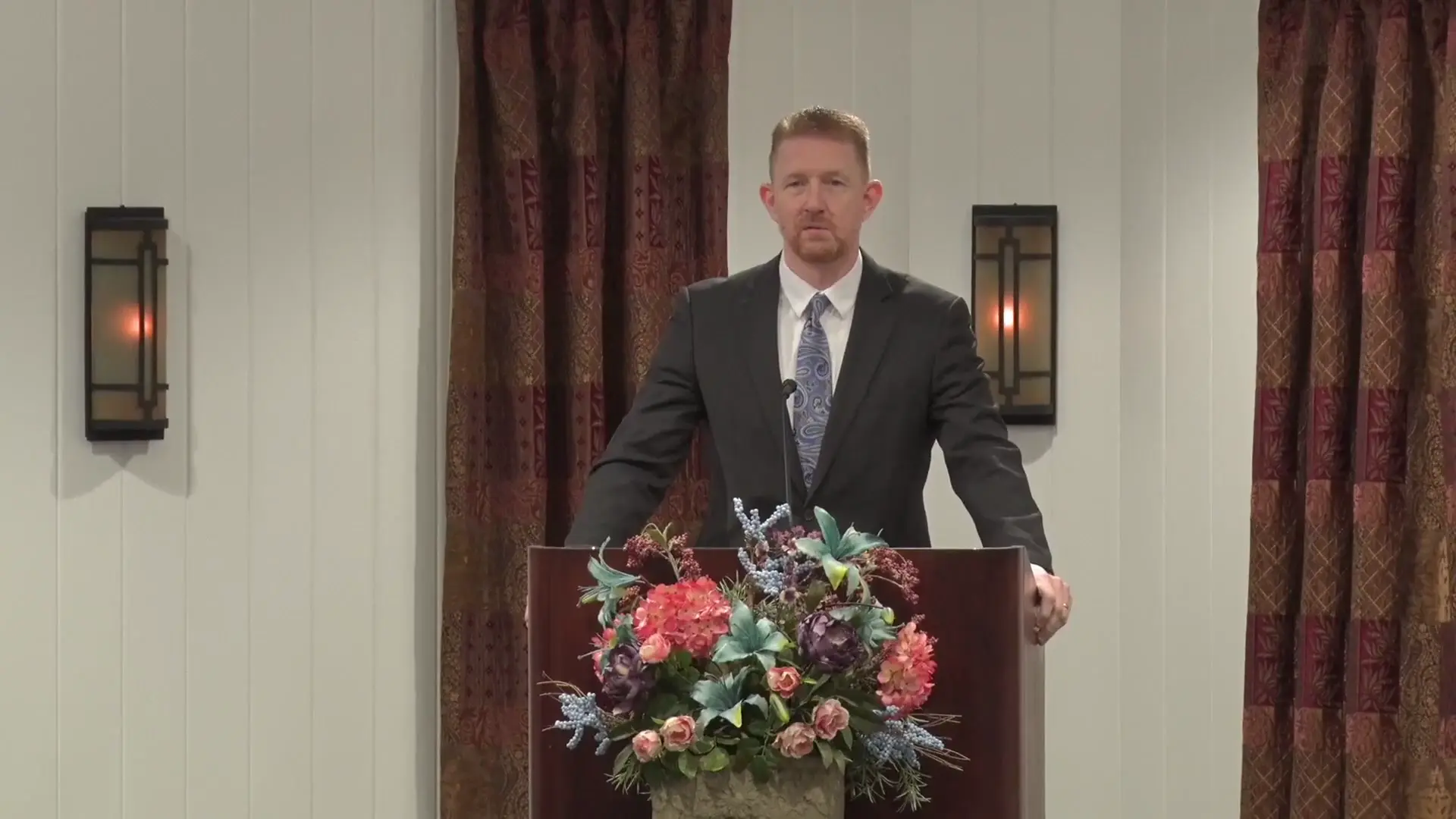
Sermon by David C. GrabbeEscape, as developed through Hebrews 2-4, centers on the sobering rhetorical question: "How shall we escape if we neglect so great a salvation?" This question is anchored in the superiority of Christ's message over the covenant given through angels to Israel—if Israel's covenant-breaking received just recompense, neglecting a far greater salvation offers no hope of escaping consequences. The account of Zedekiah in Ezekiel 17 illustrates this principle historically: having been granted a form of deliverance and bound by covenant oath, he rebelled against his pledge and did not escape judgment. This parallels believers who have made a covenant pledge at baptism—neglecting or despising that pledge invites the same inescapable consequence. The salvation in view is not a completed past event but an ongoing process requiring continual attention; this is precisely why it can be neglected and why escape from consequences is impossible if it is. The path toward this danger begins not with dramatic apostasy but with subtle drifting—gradually prioritizing lesser things above God until the heart develops spiritual sclerosis, a hardening that renders one unable to hear or respond to God, ultimately producing the willful sin and falling away that Hebrews later warns admits no remedy. Escape from this trajectory requires recognizing what causes the hardening: the deceitfulness of sin, which promises fulfillment but never delivers it, and the gradual normalization of ignoring God's standards through unbelief—demonstrated by Israel's forty years of testing God and even by Elijah's momentary hardened perspective when circumstances clouded his view of God's limitless capability. Hebrews demonstrates escape's opposite through positive examples: the apostles rejoicing after beatings, Paul and Silas singing in prison—confidence rooted in valuing the Messenger and His message above circumstances. Crucially, avoiding this fate depends on maintaining, rather than abandoning, God-given anchors. The Sabbath rest (sabbatismos) remains a vital safeguard rather than something superseded by Christ, since neglect of it often signals developing sclerosis. Likewise, the living and powerful word of God pierces the heart, exposing what must be realigned. Genuine escape from judgment, then, is achieved not through dramatic effort alone but through daily exhortation, unbroken attentiveness to God's voice, and willingness to be corrected—ensuring that the relationship with God, which constitutes salvation itself, remains the supreme priority above every competing claim, especially amid the pressures of a collapsing age.
Antichrist Deceptions
Sermon by Martin G. CollinsAntichrists manifest several characteristics, including fostering deception and confusion, preventing fellowship, and creating intense spiritual conflict.
Childrearing (Part Five)
Sermon/Bible Study by John W. RitenbaughWe must not leave child rearing to chance, but ought to bend the tender twigs entrusted to us toward God's purpose, training our children in righteousness.
Preternatural, Natural, Unnatural, Supernatural (Part Three)
Sermon by John W. Ritenbaugh (1932-2023)Christ's life and death were supernatural in that He had God's Spirit from the beginning, giving Him power over things, as well as undeniable logic.
Been There, Done That!
Feast of Tabernacles Sermon by Charles Whitaker (1944-2021)If we do not make the terrible mistake of forgetting the lessons of previous experiences, they will serve us well in the vortex of change that is upon us.
Freedom and Unleavened Bread
Sermon by John W. RitenbaughChristian freedom has nothing to do with location or circumstance but how we think. By imbibing on God's Word, we will incrementally displace our carnality.
Our Part in the Sanctification Process (Part Five): Cultivating Patience
Sermon by David F. MaasNumerous scriptures show the bad effects of impatience committed by ancient Israel, while the patriarchs, Jesus Christ, and the Father set examples of true patience.