


Filter by Categories

Abraham's One God
Article by Mike FordThe first commandment sets the stage for understanding Abraham's sacrifice of Isaac. God wanted to know: Would Abraham put Him first and have no other god?
Amos (Part Nine)
Sermon/Bible Study by John W. RitenbaughAncient Israel regarded Bethel, Gilgal, and Beersheba as a sacred shrines, but were not becoming spiritually transformed as a result of pilgrimages.

Amos 5 and the Feast of Tabernacles
'Personal' from John W. RitenbaughBeersheba holds a significant place in the history of the patriarchs Abraham, Isaac, and Jacob, where each received assurance of God's companionship. In the context of Amos' warnings, the mention of Beersheba serves as a pointed reminder to the Israelites of their misplaced confidence. Amos challenges their assumption that God is with them simply because of their historical connection to such a place. He urges them to confront whether the Almighty is truly pleased to walk with them, given their conduct and attitudes during the festivals held there. The prophet's message is clear: the Israelites must seek God Himself, not merely rely on the significance of Beersheba, to ensure their lives align with His will and to avoid the judgment that looms over their complacency.

Prepare to Meet Your God! (Part One)
Article by John W. Ritenbaugh and Richard T. RitenbaughBeersheba held significant religious meaning to the common Israelite due to its strong connections with Abraham, Isaac, and Jacob, the nation's fathers. Despite this historical importance, the religious practices in places like Beersheba displeased God. The Israelites of Amos' day were guilty of combining the worship of the true God with idolatry, a practice He hates. Their religious fervor was not directed toward the God of heaven but was based on human conceptions, failing to obey His commands. Additionally, their religion was self-pleasing, focusing on ritual observance while neglecting social responsibility and godly standards, thus abandoning true values and despising authority and law.
Amos 5 and the Feast of Tabernacles
Sermon by John W. RitenbaughIf we go to the Feast with the goal of physically enjoying, we may lose out on both the spiritual and physical benefits. 'Going through the motions' defiles it.
Elijah's Dose of Reality
Article by Richard T. RitenbaughSometimes, we get down because we think that all our labors for God have gone unnoticed. Elijah did, and his story points out a major lesson for us all.
Amos (Part Eight)
Sermon/Bible Study by John W. RitenbaughAmos severely chides Israel for exalting symbolism over substance, superstitiously trusting in locations where significant historical events occurred.
Abraham's Sacrifice (Part Two): Love Exemplified
Sermon by Richard T. RitenbaughThe love of Abraham for Isaac serves as an emblem for the love of the Father for His Son and for all the children of Adam and Eve.
Abraham (Part Twelve)
Sermon/Bible Study by John W. RitenbaughBased on his long friendship with God, Abraham could systematically calculate the reliability of God's promises even in the lack of visual evidence.
Abraham's Sacrifice (Part One): Faith Perfected
Sermon by Richard T. RitenbaughThe Scriptures place a paramount importance on sacrifice. Abraham's 'sacrifice' of Isaac confirmed him to the position of father of the faithful.
Prepare to Meet Your God! (Part Five): Religion and Holiness
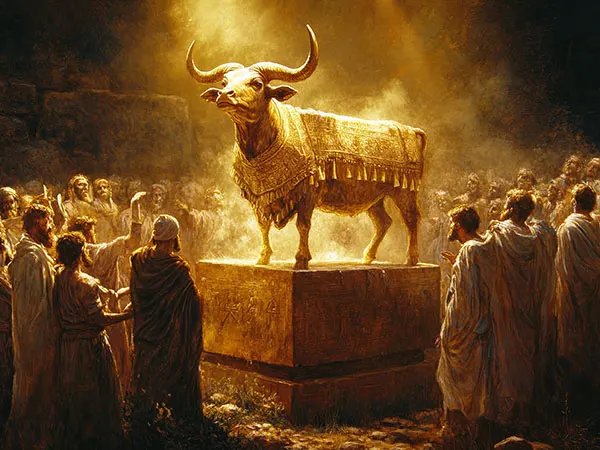
Article by John W. Ritenbaugh and Richard T. RitenbaughThe prophet Amos highlights the spiritual failures of Israel, and in this context, Beersheba emerges as a significant location tied to their false worship. In Amos 5:5, God warns against seeking Bethel, Gilgal, or Beersheba, places where the Israelites engaged in empty religious practices. Beersheba, located in the southern region of Judah, was a site of pilgrimage where the people made a show of devotion, yet their actions lacked true substance. Their religion at Beersheba and other shrines bore no fruit of righteousness, as they failed to live according to God's ways, instead following after other gods and human traditions. In Amos 8:14, the sin of those who swear by the guilt of Samaria and invoke the way of Beersheba is condemned, showing that their oaths and worship at Beersheba were tied to idolatry and spiritual adultery. God saw no evidence of His holiness reflected in their lives at Beersheba, only a nation opposed to Him in every area of conduct.
Isaac and the Day of Small Things
Sermon by Charles Whitaker (1944-2021)Isaac did not play what historians might judge to be a significant role on the world's stage, yet kept the faith, never despising the day of small things.
Amos (Part Eleven)
Sermon/Bible Study by John W. RitenbaughAncient Israel had at the core of its religion an obsession to please the self at the expense of justice and the best interests of the disadvantaged.

Abraham's Sacrifice (Part Three): Hope Demonstrated
Sermon by Richard T. RitenbaughAbraham's resolute intent to sacrifice Isaac displayed his unreserved devotion to God's purpose for him. We must display the same kind of tenacity.
Amos (Part Thirteen)
Sermon/Bible Study by John W. RitenbaughThe people to whom Amos writes have the mistaken assumption that because they have made the covenant with God, they can bask in a kind of divine favoritism.
Resistance (Part Three): Persistence
Sermon by Richard T. RitenbaughThe elite athlete is the one with the gritty persistence and tenacity to fight on regardless of the obstacles, wanting nothing to do with mediocrity.
Abraham (Part Three)
Sermon/Bible Study by John W. RitenbaughAbraham did not come from a primitive, but a highly advanced civilization, having huge multi-storied dwellings with running water and indoor bathrooms.