


Filter by Categories
Was Jesus Christ's Body Broken? (Part Three)
CGG Weekly by David C. GrabbeEating Christ's flesh at the Passover means taking in His living, sinless life, not a dead or broken body. Jesus was not defeated on the cross; His body was marred, yet He was unbroken, and His death fulfilled every offering. Paul calls the cup and bread communion, meaning sharing and fellowship, and a sacrificial meal joins the participant to the object of the sacrifice. The bread is broken only so that it can be shared, and it remains one bread because we are part of one undivided body, Christ's. Throughout Scripture bread symbolizes the substance of life, vitality, and strength, and in John 6 Jesus consistently uses it for life, even eternal life: "I am the living bread which came down from heaven. If anyone eats of this bread, he will live forever; and the bread that I shall give is My flesh, which I shall give for the life of the world." Whoever eats His flesh and drinks His blood abides in Him and He in that person, and will be raised at the last day. The wine pictures shed blood, and the lamb's death is real, but the bread pictures the life He gave through sinless, devoted service. Baptism into His death must come first, yet we are saved by His life. Only a body undefiled by sin has blood that can pay the death penalty, and we are accepted into God's presence on the basis of that sinless flesh. Eating the bread symbolizes the living Savior abiding in us, and we eat living bread to continue our connection to Him and to one another.
Was Jesus Christ's Body Broken?
Sermonette by David C. GrabbeWas Jesus Christ's body actually broken? If so, it would have symbolized disqualification and a broken covenant. Only the bread of Passover was broken.
Eating Before the Lord
Feast of Tabernacles Sermon by David C. GrabbeBelievers are a present royal priesthood offering spiritual sacrifices within the church, nourished by Christ's exclusive altar. The Feast of Tabernacles mirrors Levitical consecration, with its seven-day structure and blood application to ears, thumbs, and toes symbolizing hearing God, serving, and walking steadily. This pattern emphasizes present sanctification over merely prophetic future, inviting believers to be continually filled from God's table. Neglecting this spiritual food risks stagnation, so the feast serves as a vital period of consecation, strengthening believers to serve alongside their High Priest.
Powers of Christ
Sermon by Richard T. RitenbaughAfter His resurrection, Jesus Christ commissioned His disciples, reminding them of His limitless power to help them in their work.
Why Do We Observe Unleavened Bread? (Part Two)
CGG Weekly by David C. GrabbeThe second aspect of the Feast of Unleavened Bread, eating unleavened bread, corresponds to Jesus' words in John 6:53-58: unless we eat the flesh of the Son of Man and drink His blood, we have no life in us. Christ epitomizes the absence of corruption, so the Bread of Life is entirely unleavened. Eating His flesh and drinking His blood brings astounding gifts: eternal life, being raised up at the last day, abiding in Christ and having Him abide in us, living because of Him, and living forever. All of these hinge on the eating and drinking. The verbs "eats," "drinks," "abides," and "feeds" in verses 54 through 58 indicate ongoing action, so abiding in Christ depends on continually taking in the Bread of Life. To eat the Savior is to take in His Word and consume His involvement in our lives. This is something we must always be doing. Without this continual feeding, we cannot put away sin as God requires, and these incredible privileges could slip through our uncaring hands.
Is the Passover Just a Sin Offering? (Part Four)
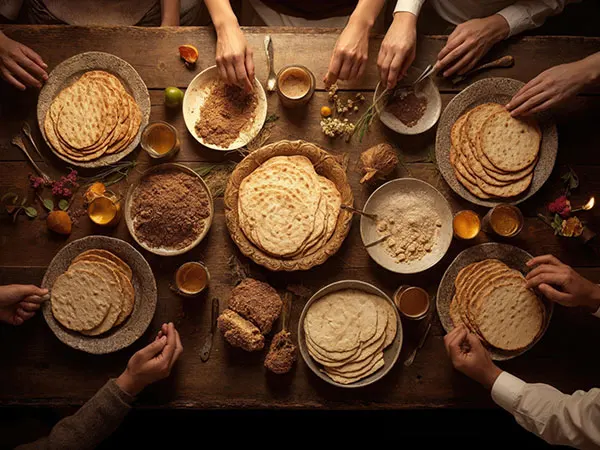
Article by David C. GrabbeThe unleavened bread eaten at Passover represents Christ's body, and in Scripture bread always pictures life, not death. Bread was the staple of the ancient diet, a heavenly gift that stood for the substance of life, yet physical bread cannot truly satisfy. Jesus is the bread of life, the living bread that came down from heaven, and He says the bread He gives is His flesh, given for the life of the world (John 6:27-51). Because this bread is living, it pictures His living body, not His dead one. His death paid for sin, but the bread points to the sinless life He lived and now offers to His followers. His sinless flesh is the new and living way into the Holiest (Hebrews 10:19-20), and only a body undefiled by sin has blood worthy to pay the death penalty. Having been reconciled by His death, we are saved by His life (Romans 5:10). Forgiveness alone does not give eternal life. Eating the bread symbolizes joining ourselves to His perfect life and having the living Savior abide in us and we in Him. We partake of Him in reality by consuming and applying His Word. If we remain faithful to this feeding, He lives His life in us, sustains us now, and gives everlasting life in the resurrection. Eating the bread concerns the ongoing relationship with Him, not payment for sin.
Deliverance and Unleavened Bread
CGG Weekly by John ReissJesus is the Bread of life, the Bread that comes down from heaven so that one may eat of it and not die (John 6:48, 50). His words in John 6:54 speak of the ultimate deliverance: whoever eats His flesh and drinks His blood has eternal life, and He will raise that person up at the last day. These words are recounted during the Passover service. Christ is the Passover Lamb offered in sacrifice (I Corinthians 5:7), and through His blood we have redemption and the forgiveness of sins, being delivered from the power of darkness into the kingdom of the Son of the Father's love (Colossians 1:13-14). During the Days of Unleavened Bread, eating unleavened bread symbolizes consuming His flesh. By doing so, we remember what He has already done on our behalf, live for righteousness (I Peter 2:24), and ensure that His spiritual DNA, His very character, becomes our own. Eating His flesh is therefore both the basis of eternal life and the means by which His character is formed in us.

The Bread and Wine of Passover
Sermon by David C. GrabbeThe Passover reminds us of the New Covenant on the anniversary of the Abrahamic covenant God using the original elements of the meal between Melchizedek and Abraham.
Everlasting Covenant of Blood
Sermonette by Ronny H. Graham'Blood is thicker than water' indicates that ties to the family come before any other alliances. Yet the 'blood' could also refer to the sealing of a covenant.
Passover (Part One)
Sermon by John W. RitenbaughThe annual reaffirmation of the covenant through the Passover is at the core of an on-going relationship with the Father and Son, beginning the perfecting process.
John (Part Twelve)
Sermon/Bible Study by John W. RitenbaughWhat we believe automatically determines what we do; it is impossible to separate faith and works. If Jesus is not our source of belief, our works will suffer.
Remaining Unleavened
Sermon by Richard T. RitenbaughOur carnal natures must be displaced by God's Holy Spirit, motivating us to refrain from causing offense, but freely forgiving others as God has forgiven us.
Maintaining Good Health (Part 8)
Sermon by John W. RitenbaughA poor spiritual diet will bring about a weak spiritual condition. What the mind assimilates is exceedingly more important than what the stomach assimilates.
Sincerity and Truth (Part One)
Sermon by Richard T. RitenbaughWe have been given the priceless gift of God's Word of sincerity and truth which has the power to sanctify. We must guard it as a life preserver.
Consequences of Resurrection and Ascension
Sermon by Richard T. RitenbaughNeither Christmas or Easter appear in the Feasts of the Lord, but we find plenty of emphasis on the resurrection and ascension of Christ in the Holy Days.
An Unpayable Debt and Obligation
Sermon by John W. RitenbaughWe live in a time when people have acquired a weak sense of obligation to family, society, or nation. Because sin cannot be undone, all are debtors to God.
James and Unleavened Bread (Part Three)
Sermon by Richard T. RitenbaughJames had to be written as a counterbalance to antinomian elements that twisted Paul's writings to proclaim that that grace nullifies the need for works.
Psalm 51 (Part Three): Psalm 51:5-12
Sermon by Richard T. RitenbaughAs physical filth repulses the senses, sin ought to repulse the spirit. David's repentance depicts total immersion in sin and the critical need for God's cleansing.
The Spirit and the Way
Sermon by Richard T. RitenbaughWe are being judged by our works, based upon what we know and what we are doing with this knowledge. The more we know, the more God expects from us.