


Filter by Categories
New Covenant Priesthood (Part Nine)
Sermon by John W. RitenbaughPride elevates one above God, denigrating any dependence upon God, replacing it with self-idolatry. We ought to boast or glory in the Lord instead of ourselves.
Faith (Part Seven)
Sermon by John W. RitenbaughPride is a perverted comparison that elevates one above another. Because of its arrogant self-sufficiency, it hinders our faith. Faith depends on humility.
New Covenant Priesthood (Part Eight)
Sermon by John W. RitenbaughPride leads to destruction, tricking us into thinking we deserve better than we have. Paradoxically, pride is a mark of inferiority, causing overcompensation.
The Importance of Appreciation
CGG Weekly by John ReissIn addition to thanking God for all He does, it is a godly principle to take time to consider the kind acts of others and let them know we appreciate them.
Asa's Laodicean Attitude
Sermonette byKing Asa started his reign trusting in God's intervention and providence, but like the Laodiceans, he finished his course weak and compromised. Here's why.
The Book of Daniel (Part Two)
Sermon by Martin G. CollinsThe circumstances surrounding Nebuchadnezzar's dream set the stage for God's revelation of His power, plan, and prophetic intentions (through His servants).
Satan (Part 4)
Sermon by John W. RitenbaughSatan uses lies and disinformation to promote self-satisfaction over obedience to God. The way to the kingdom is through self-denial, even suffering unjustly.
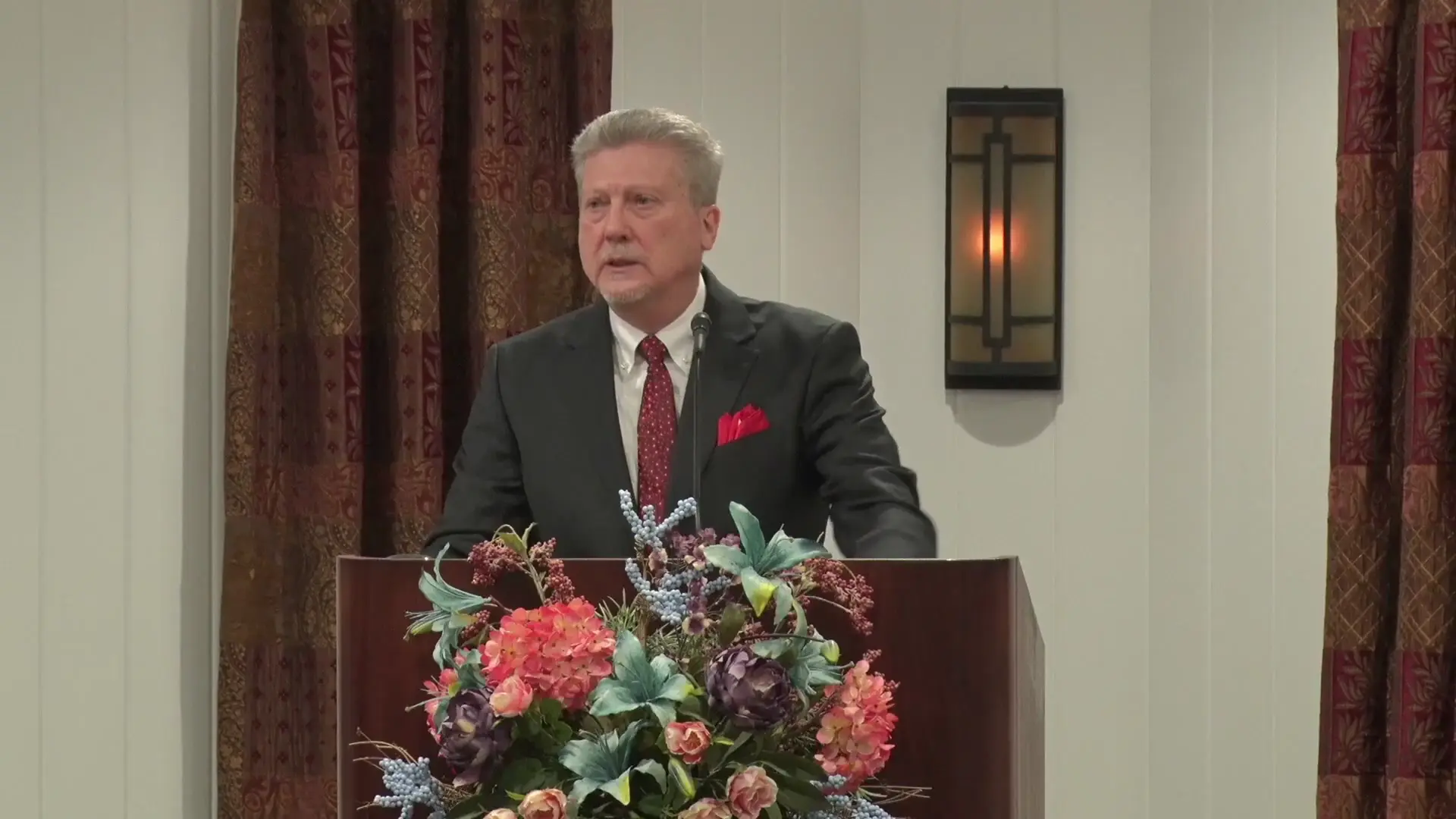
Psalm Genres (Part Three B): Messianic (continued)
Sermon by Richard T. RitenbaughJesus consistently gave the Father full credit for every work He performed during His ministry. He declared that the Son could do nothing of Himself but only what He saw the Father doing, and He repeatedly affirmed that the Father dwelling in Him performed the works. This dependence meant He never claimed personal credit for miracles, teachings, or accomplishments, but instead directed all praise back to the Father as the true source and motivator. Such humility flowed from their constant relationship, in which the Father provided counsel, instruction, and strength, and the Son responded with perfect obedience. By refusing to take credit, Christ demonstrated the proper attitude of a godly person who lives in unbroken communion with God and acts solely for the benefit of the saints. This pattern forms part of the flawless character prophesied in the Messianic psalms, showing both His sinless dependence on the Father and His singular qualification to dwell in God's presence while accomplishing redemption for those He delights in.