


Filter by Categories
Vengeance is Mine
Sermonette byChrist counsels us to love our enemies in order that we may be children of God, demonstrating not only His mercy but also our sonship by being peacemakers.
The Goodness and Severity of God
Sermon by Charles Whitaker (1944-2021)God's vengeance, as depicted in the unfolding of end-time events, is a powerful force of destruction closely tied to restoration during the Day of the Lord. On this day, the forces of destruction and construction are nearly simultaneous, as seen in the imagery of brooks of running water alongside the fall of high towers, representing the downfall of human pride, governments, and false religions. God initiates restorative actions through flowing water soon after bringing mankind's institutions to naught. The sun's light and heat, intensified sevenfold, signify destructive power, yet this occurs as He binds up the brokenness of His people and heals the wounds inflicted by His blow, demonstrating the close connection between curative restoration and destruction. God's wrath, though burning intensely, does not endure long, with restorative actions following swiftly on the heels of His anger. The punishments He sends are foundational, laying the groundwork for a better civilization by destroying the old to facilitate the new. This staff of discipline, while not directly causing restoration, serves as a curative and creative agent, facilitating renewal. The Day of the Lord, marked by destruction, is also attended with rejoicing, as better things are promised to come soon after. God commands rejoicing at the fall of this world's system, reflecting the close linkage of destruction with both restoration and joy. The severity of God is directed at those who fall without faith, yet His kindness is extended to others, embodying a simultaneous balance of wrath and mercy. This contrast is evident as He responds rigorously to sin while remaining intrinsically loving. His purpose, whether expressed through the fire of destruction or the water of His Spirit, remains the outworking of His plan and great compassion.
Would Our God Do That?
Sermon by Richard T. RitenbaughGod's vengeance is a profound and righteous force, heralded by the Day of Trumpets, which signifies a time of war and death when God, in His wrath over sin, takes direct action in the affairs of men. This day serves as a warning of approaching destruction, a time when His righteous anger strikes as a result of sin, nearing quickly with cries of alarm, death, darkness, and gloominess. God's army, led by Him, is full of destruction, trained to kill and break things in absolute righteousness, as He is entirely just in upholding His law, which is plain and accessible even to those without direct connection to it. The sound of the shofar on the Day of Trumpets announces God's coming, His return, and the law that regulates relationships between God and man, serving as the template for justice. If one does not measure up to this law, God has every right to inflict the sentence of His judgment. His vengeance is not an act of eagerness to kill but a response to refusal and sin, as seen in the history of Israel where He killed many, burned cities, and took them into captivity to show the consequences of disobedience. The same God of wrath in the Old Testament is the same Jesus Christ who walked the earth, was crucified, resurrected, and now sits at the right hand of His Father as Judge and High Priest, soon to return as King. His character encompasses both meekness and wrath, expressing the proper emotion at the appropriate time—love and mercy when called for, and destruction and death when necessary. His holiness will not abide sin, and while He gives grace, He also warns to take heed and obey, or face the consuming fire. At His return, Jesus Christ comes to punish with everlasting destruction those who do not believe, while rewarding and glorifying His faithful saints. His vengeful wrath is a righteous aspect of His character, not evil, but a necessary response to sin. As the ultimate Being, upholding all things by the word of His power, He demands repentance from all, commanding everyone to turn from ignorance and sin, with the assurance of a coming day of accountability where He will judge, either to reward or to punish, as guaranteed by His resurrection. The wrath of the Lamb, as depicted in visions of blood and destruction, far surpasses any earthly calamity, inviting a feast of flesh for the birds at His return. Yet, amidst this wrath, there is a call for repentance, for priests to intercede and beseech God to have mercy upon His people, highlighting the dual nature of His justice and compassion.
God's Wrath and Hell
Sermon by Richard T. RitenbaughThe wrath of God is an undeniable aspect of His holy and righteous character, evident throughout Scripture in both the Old and New Testaments. His anger against sin is not a pleasant thought, yet it is real and consistent, manifesting as righteous indignation and destructive force upon the wicked and unrepentant who sin unrelentingly against Him. In the writings of the prophets, the Psalms, the Gospels, the epistles, and the book of Revelation, His wrath is plainly displayed. As a man, Jesus expressed divine wrath when He looked on the Pharisees in anger for prohibiting healing on the Sabbath and when He drove the money changers out of the Temple with a whip of cords. These mild displays pale in comparison to the severe judgments seen in the destruction of Sodom, the exile of Samaria and Israel, and the devastation of Jerusalem under Nebuchadnezzar, all reflections of God's wrath. God has prophesied a time when the fullness of the world's sin will rise as a great stench before Him, prompting Him to take matters into His own hands with devastating consequences. His wrath is always focused on sin, particularly continued and unrepented sin, never capricious or unwarranted, but always measured and deserved, in proportion to the offense. While He may bestow mercy and grant pardon upon seeing humility and a change of heart, His justice remains swift, decisive, and final when repentance is absent. God's anger, though slow to build, descends with furious and awesome destruction upon those who refuse to change, yet it lasts only for a little while before it ceases, having accomplished its purpose. His indignation does not endure forever, even against the incorrigibly wicked, for He assigns them the second death, and His wrath is satisfied as justice is served, allowing the Kingdom of God to move forward.

When Will God Answer?
Sermon by Martin G. CollinsGod does not delay because of indifference, but wants to provide maximum opportunity for repenting, overcoming, and building character.
The Fall of Jerusalem and the Coming of the Son of Man
Sermonette byThe formula 'the coming of the Son of Man' is code for 'the Day of the Lord.' The formula does not refer to the fall of Jerusalem in 70 AD, but the days ahead.
The Fifth Seal (Part Two)
'Prophecy Watch' by Richard T. RitenbaughPersecution and martyrdom are not popular topics among Christians, but they are facts. The fifth seal shows the cry of the martyrs and God's response.
Shock and Awe - and Speed
Sermon by Richard T. RitenbaughThe world will experience the ultimate 'shock and awe campaign' at the second coming of Christ. When these events start, they will occur at meteoric speed.
Why Should Christians Refuse Jury Duty?
'Ready Answer' by StaffChrist's disciples should not engage in the trying, judging, or sentencing of others. Under the New Covenant, God states that He reserves this to Himself.
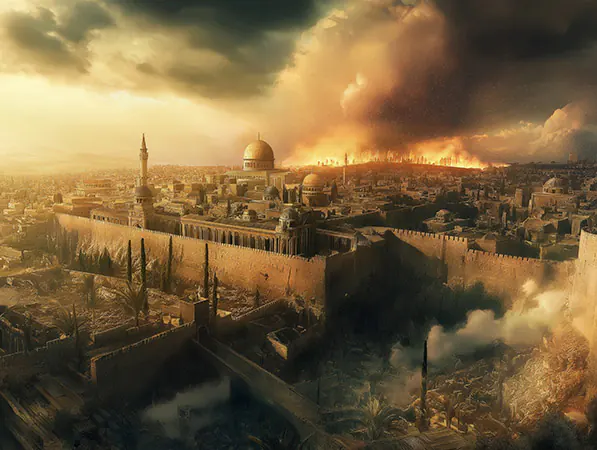
Jerusalem's Fall and Christ's Return
'Prophecy Watch' by Charles WhitakerSome interpreters, called preterists, mistakenly hold that the Bible's prophecies, such as Christ's return, were fulfilled before the first century ended.
Psalms: Book Four: He Is Coming!
Sermon by Richard T. RitenbaughThe Feast of Trumpets is like the opening salvo of the fall feasts, beginning with a blast of the trumpet or shofar, reminiscent of the event on Mount Sinai.
The Chain Revisited
Sermonette by Jared M. EllisThe chain originates with an unforgiving attitude, characterized by immediate anger rather than prudent discretion, which can be mitigated through empathy.
Israelite Soap Opera
Sermonette by Richard T. RitenbaughThe story of King David would make a great Israelite soap opera, replete with rags to riches success, intrigue, sensuality, violence, and suspense.

What a Difference a Day Makes
'Prophecy Watch' by Charles WhitakerOn the Day of the Lord, God will use natural forces to bring drastic change to planet Earth. Fire and water are two agents by which God will purify the earth.
Will Christ Find Faith?
'Ready Answer' by John O. ReidAt the end of the Parable of the Persistent Widow, Jesus asks, "When the Son of Man comes, will He really find faith...?" The answer is surprising to many.
The Olivet Prophecy Paradox
Sermon by David C. GrabbeThe Olivet Prophecy describes both a unique time of destruction and upheaval but also commonplace activities like eating, drinking, and marrying. How can this be?

Establishing Our Hearts Before Christ's Return
Sermon by Martin G. CollinsJames emphasizes patience five times, suggesting that it is a capstone of saintly character, encompassing long-suffering, forbearance, and self-restraint.
We Must Believe!
Sermon by John O. ReidWe are asked to believe in a Being nobody has directly seen or heard, whose written word has been vilified and scorned. Without faith, we can't please God.
Amos (Part Three)
Sermon/Bible Study by John W. RitenbaughGentile nations without God's revelation were held accountable for basic principles of humanity. God reserves the severest penalty for Judah and Israel.

'Unless Those Days Were Shortened . . .'
'Prophecy Watch' by David C. GrabbeIn Jesus' foretelling of the time just before His return, the days of great tribulation are identified as the days of vengeance that fulfill all things written by the prophets. This period centers on Jerusalem and Judea, where Gentile forces will trample the city and lead Jacob's descendants captive among the nations until the times of the Gentiles are fulfilled, matching the pattern of Jacob's trouble described by Jeremiah and Daniel. The overarching threat is not human technology but God's vengeance for unfaithfulness to the covenant, as stated in Leviticus 26:25, where He brings a sword to execute the vengeance of the covenant against those who break His commandments. Throughout Scripture this vengeance targets first the rebellious among Israel and Judah and then the Gentile nations that oppress them or practice wickedness, following the repeated biblical pattern in which God uses Gentiles as instruments of justice and afterward judges them for their evil hearts. Prophecies in Isaiah, Jeremiah, Ezekiel, Joel, and Zechariah portray the same sequence: God gathers the nations against Jerusalem, the city falls, and He then fights those nations in the day of battle. The result is a time when iniquity fills the earth so completely that, without divine shortening of the days, no flesh would survive, a precedent established when God destroyed the pre-Flood world and threatened to consume Israel in the wilderness. New Testament passages confirm that Christ will return in flaming fire taking vengeance on those who do not know God or obey the gospel, while Revelation depicts the same reality through the outpouring of the seven bowls of the wrath of God and the treading of the winepress of His fierce anger. Although vengeance may appear inconsistent with divine love, it arises from the Creator's desire to halt mankind's destructive rejection of His way and to punish unrepented injustice, thereby clearing the way for the elect to receive comfort and for the remnant to return to the land in a second exodus.
Old Testament: Fruit of the Spirit (Part Two)
Sermonette by Ronny H. GrahamAbigail bravely prevents David from engaging in a foolish act of revenge against a fool which would have lowered David to Nabal's stature.
Parable of the Persistent Widow
Bible Study by Martin G. CollinsVengeance belongs to God alone, so the faithful remnant of the last days, suffering under oppression, know He will judge their oppressors and need not take matters into their own hands. While they wait for deliverance, persevering prayer is their refreshment and their supply of patience. Jesus contrasts God with an unjust, godless judge to stress the vast difference between them. If a judge who feels no regard for God or man will avenge a troublesome widow out of selfish irritation, how much more will the righteous, selfless God avenge His elect. The word avenge in the parable means working out vengeance in justice, not in retaliation. Those wrongly treated can be sure of vindication. God is willing to hear and answer the supplications of His elect when they are offered according to His will. Though answers may seem long delayed, the elect must not lose heart. The widow prevailed by persistence, not by many words, and long prayers or useless repetitions do not make God hear any better, since He already knows our needs. We can expect far better treatment from a God of lovingkindness than from a heartless judge, and the matter rests on faith that He provides what we need.
Should a Christian Go To War? (Part 2)
Sermon by Martin G. CollinsGod alone has the prerogative of giving and taking life. As ambassadors of God's heavenly Kingdom, we do not take up arms on behalf of any nation on the earth.
The Commandments (Part Fifteen)
Sermon/Bible Study by John W. RitenbaughJesus emphasized the spirit of the law, which places deterrents on the motive (anger, resentment, envy, revenge), preventing murder from ever taking place.
Zephaniah (Part Three): Quick Destruction, Eternal Restoration
Feast of Tabernacles Sermon by Richard T. RitenbaughZephaniah has messages for the remnant of physical Israel, the house of David, and for the faithful remnant from the Israel of God.
Bitterness Can Kill
Sermon by Mike FordAhithophel serves as a poignant example that we must not permit bitterness to undermine our faith that the sovereign God is able to bring justice.
Are You Worthy of Your Calling?
Sermon by Martin G. CollinsPaul encourages the Thessalonians to thank God for their salvation, surrender without complaint, ask God for wisdom, and look for opportunities to serve.