


Filter by Categories
Godly Regret
Sermonette by Ryan McClureWorldly sorrow is superficial and unproductive, while godly sorrow yields not only repentance, but also a bumper crop of the fruits of God's Holy Spirit.
A World of Regret
Sermonette by Joseph B. BaityRegret is different from regular sorrow in the greater knowledge that we could have had a better consequence or outcome.
Facing Times of Stress: Hopeless Regrets
Sermon by Martin G. CollinsMany Christians find themselves burdened by regret over time wasted outside the church or delays in responding to God's call. They are tormented by thoughts of missed opportunities for good works and service, lamenting with cries of "if only" as they reflect on years spent without understanding spiritual truths. This regret often leads to spiritual depression, as they dwell on joys and growth in grace they might have experienced, feeling it is now too late to reclaim those lost chances. They question their past foolishness and blindness, obsessing over why they were so slow to heed God's truth despite having heard it or felt its pull at certain moments. While it is natural to feel regret for such delays, it is wrong to allow this to spiral into misery and dejection. The Christian life requires a delicate balance, walking a fine line between legitimate regret and a harmful state of gloom. To avoid this despair, one must apply common sense and wisdom, recognizing that dwelling on an unchangeable past is a waste of time and energy. The past cannot be relived, and lingering in regret only cripples present efforts. Instead of mourning what cannot be undone, energy should be directed into making up for lost time by living and working diligently in the present. Furthermore, regret often stems from a morbid preoccupation with self, judging oneself instead of leaving that to God. This self-condemnation, though appearing as humility, is a form of unbalanced self-concern. The focus should shift from personal failings to an intimate relationship with God, finding delight in His example and forgetting oneself in the process. What matters is not the timing of one's entry into the church, but the fact of being in it, justified and forgiven. Rejoice in the present state of grace, and let go of useless regrets to serve God with fervor now.
Repentance: The Genuine Article (Part Two)
CGG Weekly by Richard T. RitenbaughRepentance, at its core, involves a deep sense of regret, closely tied to the English word rue, which conveys sorrow and remorse. This emotional pain is a critical element of true repentance, as it reflects the wrenching difficulty of changing ingrained attitudes, beliefs, and behaviors that have hardened over time. If repentance comes easily, without some measure of pain, it is likely not genuine, for it suggests a failure to recognize the depths of one's sinful ways. In the Old Testament, the Hebrew word naham is used to express being sorry or to rue. It captures the essence of regret through the imagery of strong breathing, often seen when someone is deeply sorry for a wrong and struggles to control their emotions, sometimes descending into sobbing or painful wails of remorse. This highlights the strong emotional character of regret within repentance. However, true repentance is not solely an emotional experience; it is not merely feeling sorry or having an emotional outburst about something one regrets. There is a deeper process involved. An example of regret without true repentance is seen in Judas, as described in Matthew 27:3-5, where his sorrow led only to despair and death. In contrast, godly sorrow, as shown in the Corinthian example, produces a determination to clear matters up and rid oneself of guilt. It stirs new emotions like anger at sin and fear of punishment, driving the truly repentant person to attack the problem and overcome it, seeking vindication through Christ. Thus, while regret is a necessary part of repentance, it must lead to these transformative qualities to complete the process.
What Would You Do With a Second Chance?
'Ready Answer' by David F. MaasHow often have we wished we could live some part of our lives over again to correct a wrong? God gives us multiple chances to change our character for the better.
True or False Guilt?
Sermonette by Ted E. BowlingWe must be able to separate genuine guilt, which is the spiritual equivalent of pain, from false guilt when we call into question God's forgiveness.
A Contrite Heart
Sermon by Martin G. CollinsThe contrite or brokenhearted person finds special favor with God, and a humble or contrite spirit is indeed a precursor to forgiveness and spiritual healing.
Repentance and Righteousness (Part 1)
Sermon by Richard T. RitenbaughNothing happens in our lives (including repentance) until God initiates it. A change of heart, by God's Holy Spirit, results in a total change of direction.
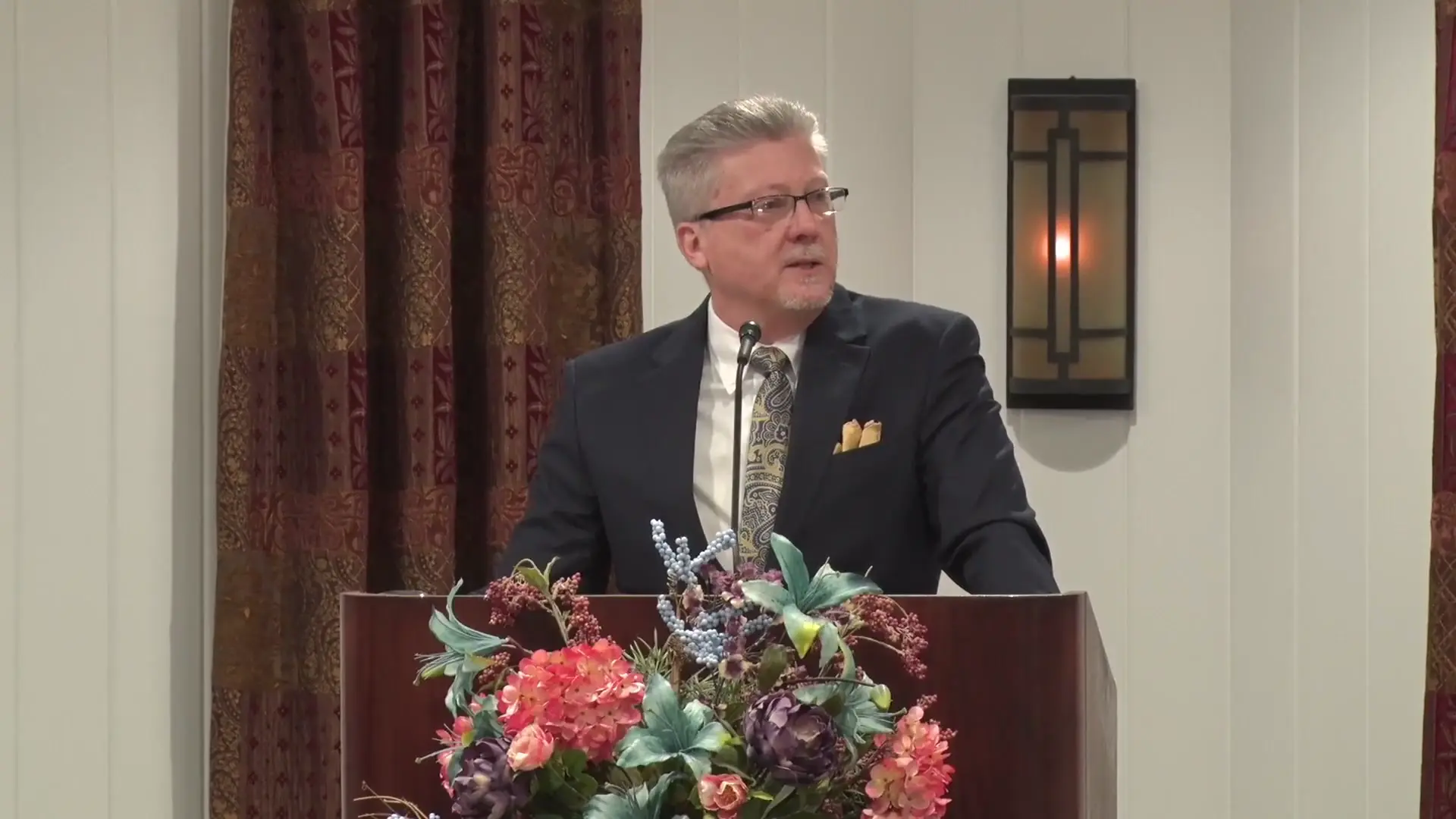
Psalm Genres (Part Six): Penitential Psalms
Sermon by Richard T. RitenbaughRegret forms a central element in the experience of penitence. Penitence involves the action of feeling or expressing humble sorrow and regret for sins or errors, typically in a religious context. It represents remorse for past conduct before God. Repentance builds upon regret by incorporating a feeling of regret or remorse for sin that leads to the action of changing one's behavior. Penitential psalms are characterized by their expression of remorse over sin and spiritual failure. The psalmist acknowledges wrongdoing while recognizing dependence on God's favor for forgiveness. In Psalm 51, authentic contrition appears through appeals to God's mercy, confession of sin, requests for purification and restoration, vows to teach others, and promises of thanksgiving. Godly sorrow produces repentance to salvation. This sorrow generates diligence, clearing of oneself, indignation, fear, vehement desire, zeal, and vindication. Such regret motivates turning from sin and seeking restoration through God's mercy.
The Good Ol' Days
Sermonette by Joseph B. BaityMany try to run away from the pessimistic view of the future by retreating into the past, a nostalgic participation in the 'good old days.'
The Attitude of Esau
Sermonette by Clyde FinkleaEsau's story provides the central illustration of regret in this study, showing how carelessness in the moment can lead to irreversible loss. When Esau sold his birthright for a bowl of stew, he acted without reflection, satisfying his immediate physical hunger while treating his sacred inheritance as something common and unimportant. After eating and drinking, he simply rose and went his way, showing no sign of remorse at the time. This is described as profaning what God considered holy, elevating temporary, material needs above the covenant blessing and responsibilities that belonged to him as firstborn. The tragedy of Esau's regret surfaces later, in Hebrews 12:16-17, when he desired to inherit the blessing but was rejected. Though he sought it diligently with tears, he found no place for repentance; his regret came too late, and the situation could not be reversed. This illustrates a sobering principle: wanting the blessing after the fact does not guarantee its recovery once it has been forfeited through neglect and carelessness. This pattern is then applied as a warning to believers today. Two examples are given of individuals who intend to return to church "eventually" or "when they get good and ready," yet never actually do so. This mirrors Esau's attitude—desiring the inheritance and knowing what the promises entail, but being unwilling to make the necessary sacrifices now, presuming that repentance can always happen later. The danger is that "later" may never come, and delay itself can become a form of forfeiting the inheritance. The broader message connects this warning to the identity of believers as joint heirs with Jesus Christ, called to share in His inheritance as kings and priests after the resurrection. Just as firstborn sons in ancient Israel could be displaced by younger brothers, and just as Esau lost his birthright to Jacob, believers can likewise fall out of favor and be replaced if they treat their calling as unimportant. The recurring cycle of sinning and repenting without genuine change is presented as insufficient; true repentance requires putting to death the deeds of the flesh, as Paul urges in Romans 8:13, rather than assuming there will always be time to overcome later. The urgency of avoiding Esau's kind of regret is reinforced by the reminder that life is brief and uncertain—there is no guarantee of seeing another day. Therefore, the appropriate response is not to presume upon future repentance but to overcome now, holding fast to what has been given so that no one takes the crown already offered. The ultimate contrast is between losing one's life by clinging to fleshly satisfaction, as Esau did for a single meal, and losing one's life for Christ's sake in order to gain the eternal inheritance that far outweighs the fleeting pleasures of this present, temporary existence.
An Exhortation for Young Adults
Commentary by John W. Ritenbaugh (1932-2023)Wisdom is not a trait valued or acquired by youth, but takes second place to strength, beauty, or fun. We get too soon old and too late smart.
Are You Living An Illusion?
Sermon by Martin G. CollinsReligious narcissists, who identify with the servant who received ten talents, cherry-pick Scripture to enhance their self-love and support their views.
Strategies for Escaping Babylon (Part Five)
Sermon by David F. MaasTo escape Babylon, we must embrace God's work ethic, choosing to serve rather than be served, endeavoring to give extra measure and go the second mile.

Ecclesiastes Resumed (Part Forty): Ecclesiastes 12:1-14
Sermon by Richard T. RitenbaughEcclesiastes 12:1-14 emphasizes the brevity and the progressively harder difficulties of life and urges youth to seek God before the decline of old age.
Strategies for Interfacing with Babylon Without Becoming Assimilated (Part Two)
Sermon by David F. MaasThere are three basic causes for discontentment and three strategies to contentment, enabling us to emulate the apostle Paul's content state of mind.