


Filter by Categories
Repentance: The Genuine Article (Part Two)
CGG Weekly by Richard T. RitenbaughHuman beings are full of sin, and our natures compel us away from the path that God has revealed to lead to the Kingdom of God. True repentance involves pain, particularly emotional pain, as it is wrenching to the psyche and really hurts because it is difficult to do. Oftentimes, changing ingrained attitudes, beliefs, and behaviors that have set hard like concrete in our lives is a bitter pill to swallow. From this, we can conclude that any repentance that comes easily is probably not true repentance. If we have not felt some measure of pain in repenting, it is likely that we have not seen the depths of our sinful ways. The Hebrew word naham, meaning to be sorry or to rue, conveys an aspect of repentance with a strong emotional character. The essence of naham lies in the action of breathing strongly, often displayed when something has gone wrong and a person is sorry for it. In his regret, he may try to control his emotions by taking deep breaths that may descend into sobbing or even painful wails of remorse. Nevertheless, true repentance is not an entirely emotional experience; it is not just feeling sorry or an emotional outburst about something one regrets. Repentance does include regret, but it must produce other qualities to complete the process.
Guilt: Our Spiritual Pain
Article by David F. MaasGod has mercifully provided us with the capacity to feel spiritual pain, akin to physical pain, which serves as a warning and guide for our behavior. This spiritual pain, often experienced as guilt, acts as a moral governor, inflicting discomfort for wrong actions and offering joy for right ones. Without this capacity, we would stray hopelessly off course, unable to correct our path. Guilt drives us to seek spiritual remedy, much like physical pain prompts us to address bodily harm. The failure to feel remorse or guilt marks a grave flaw, seen in those who commit vile acts without contrition. Repeatedly ignoring or masking this spiritual pain can lead to a seared conscience, rendering a person incapable of change. Such a state represents the ultimate consequence of rejecting divine guidance, where one becomes abandoned to a debased mind, no longer responsive to the warnings of guilt. We must be grateful for this capacity to feel spiritual pain, as it motivates us to Ascertain and rectify the sins that cause such pain, guiding us toward vibrant spiritual health.
Godly Sorrow
Sermonette by Martin G. CollinsRemorse, as exemplified through personal and biblical accounts, often manifests as worldly sorrow, which fails to produce lasting change. Jim, a young man with a life marked by recklessness, displayed profound remorse for various misdeeds—speeding tickets, violent altercations, drunk driving accidents, and imprisonment. Despite his sorrow, evident in tears and apologies after causing injury to friends or facing personal consequences, his behavior remained unchanged, embodying the sorrow of the world that does not lead to repentance. Similarly, Pharaoh during the seventh plague on Egypt expressed sorrow for his actions, admitting sin and pleading for relief from the hail and thunder. Yet, as soon as the plague ceased, he returned to his hardened state, showing no true repentance, a clear demonstration of worldly sorrow. In contrast, the sorrow of the world is distinguished from godly sorrow, which produces repentance leading to salvation. Worldly sorrow arises from the consequences of sin—loss of freedom, shame, or disgrace—rather than from the sin itself. It overwhelms the mind with guilt but does not drive one to seek forgiveness from God, often resulting in a return to the same sinful patterns. Godly sorrow, however, views sin as an offense against a holy and just God, stirring a deep commitment to seek forgiveness and effect change. This transformative sorrow is not merely regret but a catalyst for repentance, ultimately bringing a person closer to salvation and lasting joy.
Godly Regret
Sermonette by Ryan McClureWorldly sorrow is superficial and unproductive, while godly sorrow yields not only repentance, but also a bumper crop of the fruits of God's Holy Spirit.
True or False Guilt?
Sermonette by Ted E. BowlingWe must be able to separate genuine guilt, which is the spiritual equivalent of pain, from false guilt when we call into question God's forgiveness.
A World of Regret
Sermonette by Joseph B. BaityRegret is different from regular sorrow in the greater knowledge that we could have had a better consequence or outcome.
Repentance and Righteousness (Part 1)
Sermon by Richard T. RitenbaughNothing happens in our lives (including repentance) until God initiates it. A change of heart, by God's Holy Spirit, results in a total change of direction.
Basic Doctrines: Repentance
Bible Study by StaffRepentance is a condition for baptism, and ultimately of conversion and salvation. It is also a lifelong process—one never stops needing to repent.
A Contrite Heart
Sermon by Martin G. CollinsThe contrite or brokenhearted person finds special favor with God, and a humble or contrite spirit is indeed a precursor to forgiveness and spiritual healing.
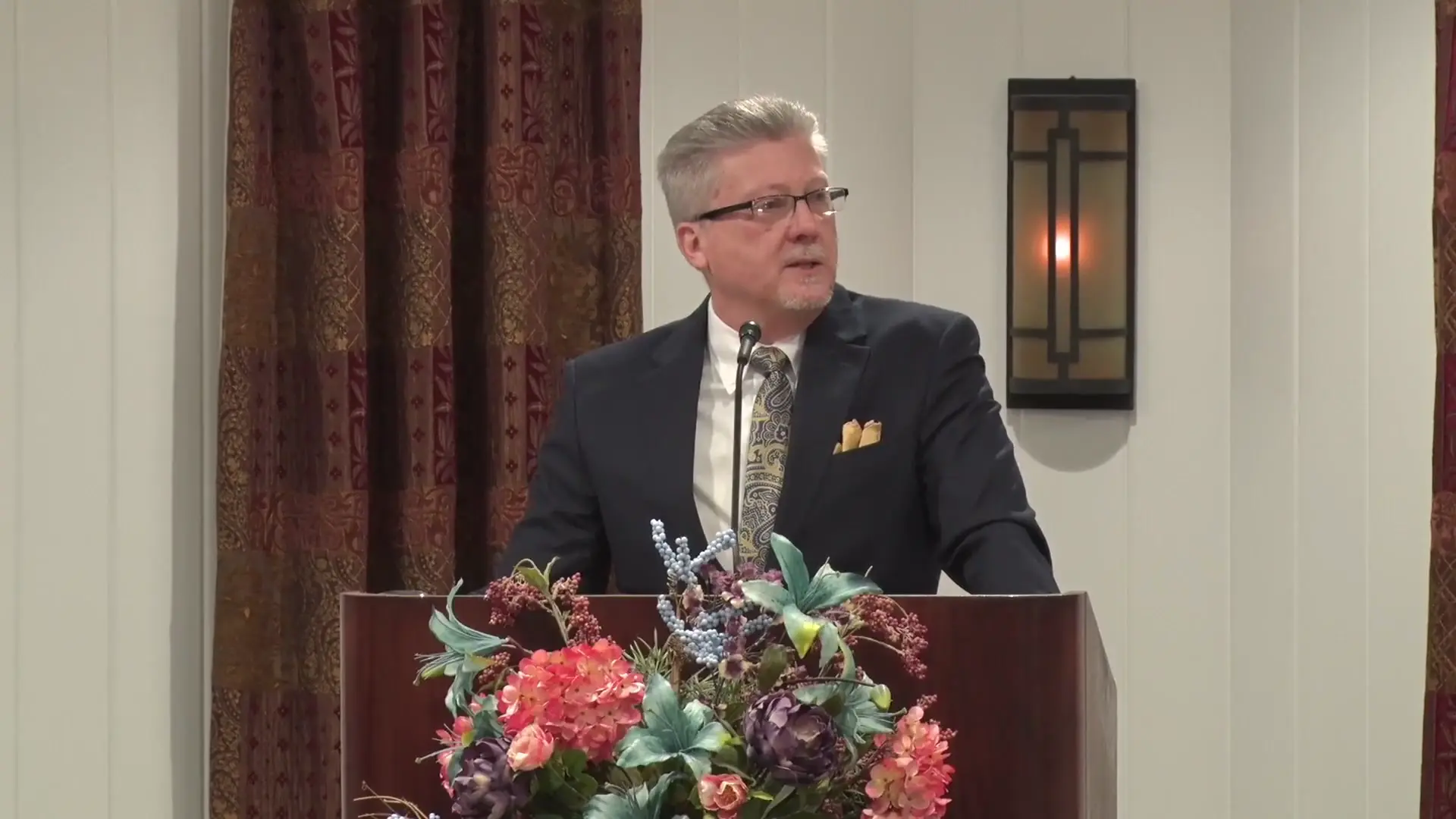
Psalm Genres (Part Six): Penitential Psalms
Sermon by Richard T. RitenbaughRemorse, akin to guilt, carries a profound weight that can corrode the soul from within. It is a deep sorrow and regret for past sins, often driving a person to seek relief from the burden of their transgressions. This feeling, as illustrated by historical voices, is a wretched state of mind, a chronic sentiment that signals the need for change. In the presence of divine holiness, remorse can surface powerfully, as seen with Simon Peter. Witnessing a miraculous catch of fish, Peter was overwhelmed by his own sinfulness, falling at Jesus' knees and pleading, "Depart from me, for I am a sinful man, O Lord!" His remorse stirred a sense of unworthiness, making him desire to escape the piercing awareness of his guilt rather than embrace the Savior's presence. Similarly, on the Day of Pentecost, the men of Israel, confronted by Peter's words about their role in crucifying Jesus, were cut to the heart with remorse. They cried out, "Men and brethren, what shall we do?" Their profound guilt over such a grave sin led them to seek a path to redemption, to which Peter responded, "Repent, and let every one of you be baptized in the name of Jesus Christ for the remission of sins, and you shall receive the gift of the Holy Spirit." Remorse, while a painful acknowledgment of sin, can serve a purpose under God's guidance. It motivates change, as seen in the penitential psalms where psalmists express deep sorrow for their spiritual failures. In Psalm 51, David bares his soul, pleading, "Have mercy upon me, O God, according to Your lovingkindness; blot out my transgressions." His remorse drives a heartfelt confession and a yearning for purification, restoration, and a renewed relationship with God. In Psalm 6, the psalmist, burdened by a metaphorical sickness representing sin, cries out, "Have mercy on me, O Lord, for I am weak; O Lord, heal me, for my bones are troubled." This remorse reflects a desperate need for God's mercy to mend the rift caused by unrepented sin. Upon receiving forgiveness, the psalmist resolves to distance himself from influences leading to sin, declaring, "Depart from me, all you workers of iniquity; for the Lord has heard the voice of my weeping." Likewise, in Psalm 32, the psalmist recalls the torment of unconfessed sin, stating, "When I kept silent, my bones grew old through my groaning all the day long." Yet, upon confessing, forgiveness brings joy and blessedness, as he exclaims, "Blessed is he whose transgression is forgiven, whose sin is covered." Remorse here transforms into a catalyst for spiritual renewal and a call to trust in God's mercy. Thus, remorse, though a heavy burden, can be turned to a good end by God. It compels the sinner to seek forgiveness, to change, and to pursue a path of righteousness, ultimately restoring a covenantal bond with the Divine.
The Beatitudes, Part Three: Mourning
'Personal' from John W. RitenbaughBlessedness and mourning seem contradictory, but obviously Jesus saw spiritual benefits to sorrow. True, godly mourning gets high marks from God.
How God Deals With Conscience (Part One)
Sermon by Martin G. CollinsGod orchestrated the repentance of Joseph's brothers by carefully crafted words and enforced solitude to refresh their memories and expose their sin.

Those Who Mourn
Sermon by Richard T. RitenbaughWorldly sorrow leads to death while godly sorrow leads to repentance and life. After godly repentance, sorrow is swallowed up in profound joy.
Never Again: God's Purpose For Bad Memories
Sermon by David F. MaasAfter God forgives our sins, He still allows residual memories of these transgressions to remain in our memories, evidently to help us in overcoming.
Are You Living An Illusion?
Sermon by Martin G. CollinsReligious narcissists, who identify with the servant who received ten talents, cherry-pick Scripture to enhance their self-love and support their views.
A GPS for our Spiritual Pilgrimage
Feast of Tabernacles Sermon by David F. MaasSince God's thoughts are higher than ours, we must keep an intimate GPS-like dialogue with our heavenly Father so we can stay on the right path to the Kingdom.
Soldier On! (Part Two)
CGG Weekly by John ReissGod does not want us to allow hardships to paralyze us. Instead, He wants us to learn the lessons inherent in the trial and move forward in faith.
Our Personal Plumblines
Feast of Tabernacles Sermon by David F. Maaswe learn righteous judgment through learning to see the consequences of our thoughts, words, and behaviors as they affect us and the lives of others.