


Filter by Categories
You Shall Love Your Neighbor (Part One)
CGG Weekly by John O. ReidJesus, in answering the Pharisees, declared the second great commandment as, 'You shall love your neighbor as yourself.' This commandment, alongside the first to love the LORD your God with all your heart, soul, and mind, forms the foundation of all Scripture. Though it is often overshadowed by the first, Jesus emphasizes its importance, instructing us to love our fellow man despite their flaws and actions under satan's influence, such as lying, cheating, and promoting lawlessness. Our Lord calls us to show love even when our neighbor persecutes us for following biblical truth or places obstacles in our path. Jesus further states that on these two commandments hang all the Law and the Prophets, meaning they summarize and underpin the entirety of Scripture, guiding us in living as God desires.
Loving the Body of Christ (Part Two)
CGG Weekly by John ReissGod has called us to be different from the carnal behaviors of envy, strife, and divisions that disrupt unity among brethren. We must put the needs of others before our own, as emphasized in I Corinthians 10:24, which instructs us to seek the well-being of others rather than our own interests. Jesus Himself teaches in John 15:13 that the greatest love is shown by laying down one's life for friends, a call to sacrifice for each other. We are to exercise humility and patience, being sensitive to the consciences of others and recognizing that we are all at different levels of spiritual understanding, as highlighted in I Corinthians 8:1, 7, and 13, where love edifies and prevents stumbling. Additionally, we must value our brethren as Christ values them, for by improperly valuing fellow Christians, we undervalue the sacrifice of our Savior. Unity is fostered when we honor and appreciate one another, showing love as disciples of Jesus Christ, as stated in John 13:35. Personal repentance is the starting point for this unity, requiring us to overcome our sins and put down the human tendency to exalt ourselves. By doing so, we can heal personal rifts and build a unified Body of Christ.
You Shall Love Your Neighbor (Part Two)
CGG Weekly by John O. ReidWe are commanded to love our neighbor, a directive repeated eight times in Scripture, underscoring its significance and the frequent need for reminder due to our tendency to neglect it. This love, defined by the Greek term agapao, signifies a warm regard and interest in another, cherishing and showing affection. Jesus Christ elevates this to an unconditional love, urging us to do good for others—whether family, friend, enemy, or stranger—as the situation demands. This love extends beyond mere well-wishing to actively benefiting others through kindness, providence, or even discipline, focusing on their good rather than merely pleasing them. The question of who qualifies as a neighbor is addressed by Jesus Christ through the Parable of the Good Samaritan. In this story, a Jew, beaten and left half-dead by robbers, is ignored by a priest and a Levite, both of whom pass by without aiding him. Yet, a despised Samaritan shows compassion, tending to the man's wounds with wine and oil, transporting him to an inn, and ensuring his care at personal expense. Jesus Christ asks who truly acted as a neighbor, and the answer is clear: the one who showed mercy, disregarding enmity to offer kindness and care. His instruction to us is simple yet profound: go and do likewise. God the Father and Jesus Christ exemplify this neighborly love. Like the wounded man, we were left spiritually broken, ignored by the world, until They tended to us with compassion. Their love heals the brokenhearted, binds up wounds, proclaims liberty to captives, and sets the oppressed free. We are called to follow in our Savior's steps, embodying this same love in how we treat one another.
What Makes a True Disciple? (Part One)
CGG Weekly by Clyde FinkleaIn the teachings of Jesus Christ, a profound emphasis is placed on the command to love one another, marking it as a distinguishing sign of His true disciples. Jesus declares in John 13:34-35, "A new commandment I give to you, that you love one another; as I have loved you, that you also love one another. By this all will know that you are My disciples, if you have love for one another." This command introduces a new standard of love, modeled after His own, which calls for a depth of sacrifice and selflessness far beyond ordinary affection. What sets this command apart is not its novelty, for the essence of loving others appears in earlier scriptures, but the extent to which it must be practiced. Jesus instructs His disciples to emulate His example, a love so extraordinary that it compels one to lay down personal interests for the sake of others. This kind of love, rare and remarkable, becomes a visible testimony to the world of who truly follows Him. Moreover, this love is a fruit of the Spirit of Christ dwelling within, as only through His Spirit can such a divine way of life be reproduced. As the first fruit of the Spirit listed in Galatians 5:22-23, love stands paramount, enabling true disciples to be identified by their actions. Thus, the practice of this godly love significantly distinguishes those who are genuine followers of Jesus Christ.
No Real Love Without God
Sermon by John O. ReidWe are called to reflect the true love of man in all of mankind by imitating the exact nature of the One who invited us into His Family. This love is agape, which means affectionate regard, good will, and benevolence. It involves a willful direction toward others that does what is best for them. Love is of God and reflects His Spirit in us. As we exhibit it we more fully take on the nature of our Father. He who does not reflect God's love in his life does not know God. We perceive the love of God because He laid down His life for us. In like manner we ought to lay down our lives for the brethren. If we love one another as God loves us then we take on the very nature of God and His love is perfected in us. This is called going on to perfection. Our love is made perfect as we actively use that love in our relationship with others. By this all will know that you are My disciples if you have love for one another. Just as the keeping of the Sabbath is a sign of God's people so is loving one another. In this manner our love is made perfect. Because we are like Him in nature we can be bold when we stand before Him. A lack of confidence shows lack of love. If we have perfect love toward God we have no fear. For the fourth time John tells us that we love Him because He first loved us. This love is not our love but God's love in us. As the Father loves as the Son loves so are we to love. We are to work to love our fellow man with this type of love with which the Father loves us. If we hate our wives our husbands or our fellow workers we do not have the love of God. Our job as disciples of Jesus Christ is to become just like Him. In all we do we are to have His patience His kindness His longsuffering His wisdom His courage to stand up for what is right His thoughtfulness and concern and His willingness to serve others. In doing this we reflect the true love of God. Because lawlessness will abound the love of many will grow cold. The danger at this time can be a lack of application of what we know and what we know we should be doing. The second great commandment is to love your neighbor as yourself. Any person who lives near us is our neighbor. Our wives our husbands our children our friends our relatives our countrymen and even our enemies are our neighbors on this earth. We should not injure our neighbor physically his property or his reputation. We should not be selfish but seek to do him good. We should be tender giving and kind toward our neighbor even though his actions may not warrant it. We should not seek to harm him in any way. Attaining God's nature and love requires that we all keep His commandments. If we truly love God who has begotten us we will not harbor a grudge or anger towards others whom God has begotten but will truly work to love them. Love of God produces a desire to live God's way. If one is not working to overcome and obey God even though he may profess belonging to Him he is not being truthful to himself. For those who conscientiously observe and work to be obedient to Christ's doctrine the love of God is perfected and an intimate relationship truly is set up with Jesus and His Father. If true love exists in the heart it will be reflected in the way of living. Because of this we will know that we belong to Him. Above all things put on godly love.
You Shall Love Your Neighbor (Part Three)
CGG Weekly by John O. ReidGod the Father and Jesus Christ have modeled how to love one another, and believers are instructed to walk just as He walked. He who loves his brother abides in the light, and there is no cause for stumbling in him. How love is shown to neighbors reveals whether one is walking in the light. God's instructions to Israel in Leviticus 19 provide the right perspective on loving neighbors. His people are to be holy, different, and separate from the world because He Himself is holy, so that others may see an image of God in how they treat one another. This begins with one's parents, the first neighbors children encounter, as lessons in loving God are learned by loving them within the family. The duty of reverential love toward parents connects to proper observance of the Sabbath, forming foundational starting points for interactions with God and neighbor. Love expands outward to the poor and the stranger by leaving the corners of fields and gleanings of harvests, demonstrating generosity and concern for the disadvantaged rather than hoarding. Employers must not cheat or rob a neighbor by withholding wages overnight, since the employee needs the agreed payment to support himself and his family. One must not curse the deaf or place a stumbling block before the blind, nor exploit anyone's disadvantages, simplicity, ignorance, or inexperience, but instead treat neighbors as one would wish to be treated. Judgments must be made without injustice or partiality to the poor or the mighty, ensuring equity under the law. Talebearing and gossip must cease, as they sow discord and destroy relationships. These practices of love toward neighbors reflect the loving nature of God Himself and set His people apart as holy.
Unlovable
Sermonette by Joseph B. BaityIf God's people do not believe they are lovable, they may deprive others of a blessing by refusing to accept charitable help from a spiritual sibling.
By This Shall All Men Know You
Sermon by John O. ReidA native practice involves leaving a young man on a remote island with only a bow and arrows until he learns to become a man, and God does something similar.
A True Disciple
Sermonette byWe must exercise longsuffering and kindness to all, including to those that have done ill to us. We are disciples of Christ if we love one another.
Serving the Brethren Through Prayer
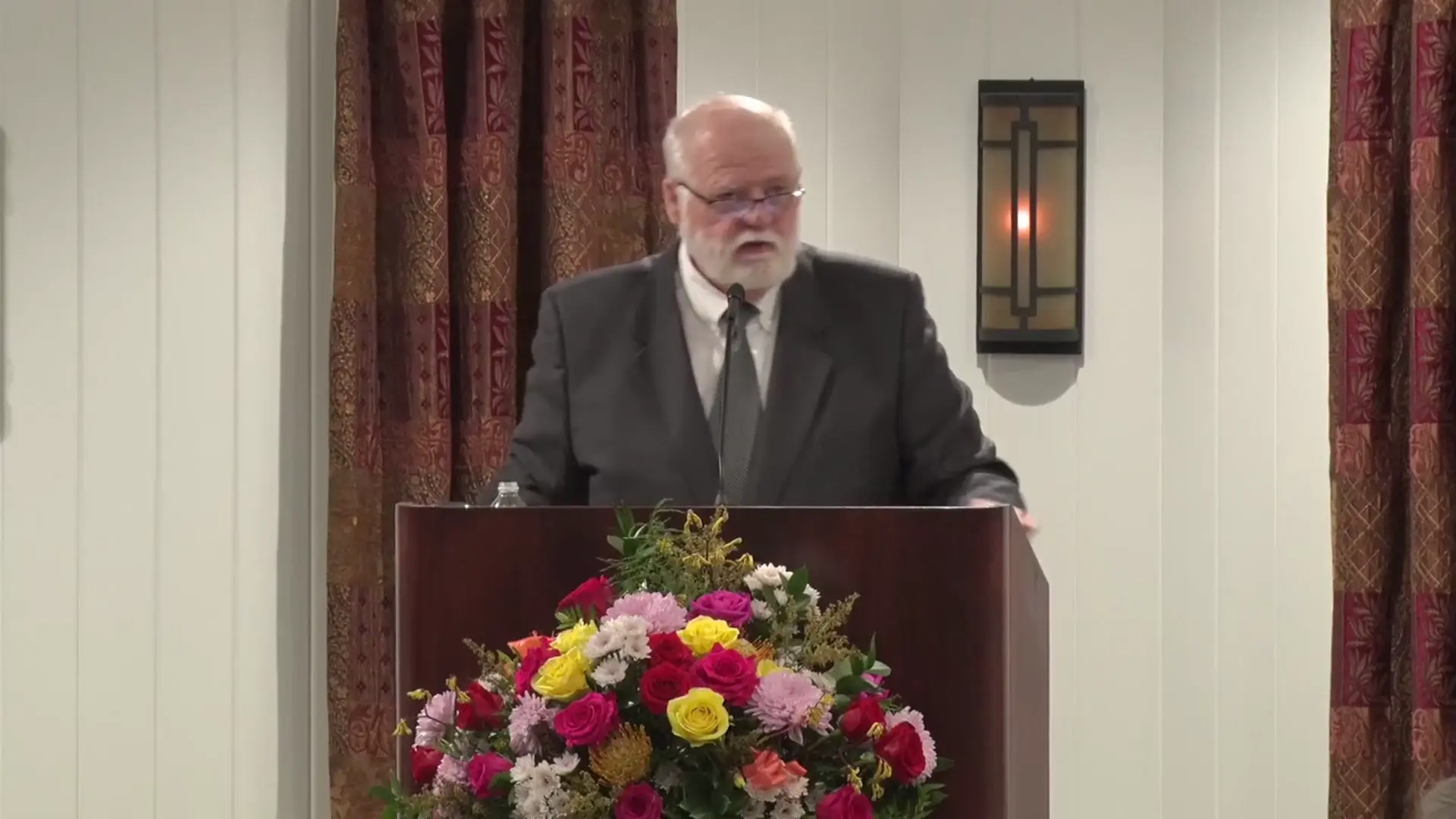
Sermon by Ted E. BowlingLoving one another forms a deliberate act of obedience to God's commandments rather than a passive feeling. This love requires believers to abhor evil and cling to what is good while giving preference to one another in honor, thereby transforming relationships within the spiritual family and reflecting God's own character. Scripture presents this love as direct evidence of discipleship, for Christ commanded His followers to love one another as He has loved them, stating that by this mutual love all will recognize them as His disciples. Such love constitutes the heartbeat of the Christian life and the defining mark of the true church, essential to personal spiritual growth alongside one's relationship with the Father and the Son. Believers are adopted into God's Family through repentance, baptism, and the gift of the Holy Spirit, which immediately places them within the Body of Christ where each member bears responsibility to the whole. The apostle Paul illustrates this interdependence through the metaphor of the human body, emphasizing that no member can claim independence and that every part, regardless of apparent importance, contributes to the unity and care of all. Without love, even the most impressive spiritual gifts become worthless, as the subsequent teaching on love demonstrates that it must motivate and undergird every action. This love expresses itself practically through fervent prayer for the brethren, which fosters humility, unites the Body, and invites God's power to strengthen those who suffer or face temptation. Prayer for others, including those who have caused harm, mirrors Christ's own intercession while He endured the cross and fulfills the command to bless enemies rather than return evil for evil. When believers pray for one another, they participate in bearing burdens, covering a multitude of sins, and advancing the spiritual welfare of the entire household of faith. This ongoing practice of brotherly love equips the church to stand together in spiritual conflict, reflects the compassionate heart of God, and prepares members to inherit the blessing prepared for those who pursue peace and righteousness.
Do Unto Others and Reap What We Sow
Sermon by John W. Ritenbaugh (1932-2023)Reaping good fruit does not happen immediately. If we feel we are not reaping, we must consider that we might be reaping some negative things we have sown.

Footwashing: An Attitude of Service and Forgiveness
Sermon by Ted E. BowlingIn John 13, when our Savior washed His disciples' feet, He taught them that He was willing to accept the task designated to the lowest of the servants.
Harmony with God and the Brethren
Sermonette byGod's people are like a musical ensemble, each having unique pitches and timbre. As we yield to our Conductor, we also blend with one another, creating harmony.
Right Out of the Gate
Sermonette by Austin Del CastilloGod has called many to be the bride, but only a relative few have been chosen. We have the honor of having God as our friend just as much as Abraham.
Eternal Servant Leadership
Sermon by Mark SchindlerOur responsibility should be to learn to serve rather than to emulate the pompous gentile leaders who love to domineer over their subjects.
River of Life
Sermon by Bill OnisickI Corinthians 13 describes the assaying instrument to detect the purity of love. Our need for love never ends as we move through the sanctification process.
Troubling the Household of God
Sermon by Mark SchindlerIf we allow the old, carnal man to dictate how we speak or make other decisions, we will trouble the household of God and inherit nothing but the wind.
Take Heed and Remember the Less Fortunate
Sermon by Kim MyersWhen a nation loses its morals, people feel free to take advantage of one another, especially the poor. God hates seeing the poor oppressed.
Strategies for Interfacing with Babylon without Becoming Assimilated (Part Seven)
Sermon by David F. MaasTrue peacemaking means emulating Christ, which that involves promoting justice and righteousness, not merely avoiding conflict or appeasing by compromising.
"If I Have Not Charity"
Sermon by Richard T. RitenbaughChristianity has both an inward aspect (building godly character or becoming sanctified) and an outward aspect (doing practical good works).
Reach for the Goal
Sermon by John O. ReidSimilar to the way people pull together in times of crisis, we must also have a goal, a vision of the finish line, in order to overcome and grow.
You Are My Friends!
Sermon by Martin G. CollinsWhile it is common on Facebook to defriend/unfriend, Christ's love for His people is a friending with the condition that godly fruit is produced.
The Priesthood of God (Part Six)
Sermon by John W. Ritenbaugh (1932-2023)The priestly garments represent the holy character of God. Clothing is used as a badge of one's office and symbolizes what our character is like inwardly.

Unifying Behaviors
Sermon by Richard T. RitenbaughEvery righteous, selfless act of outgoing concern we perform promotes unity within the church, drawing brethren closer together, suggesting a spiritual law.
The Parable of the Leaven, Expanded
Sermon by Richard T. RitenbaughBitterness divides one member of Christ's Body from another. Individuals often look for a 'doctrinal' reason to justify leaving a congregation.
More Righteous Than the Pharisees?
Sermon by John O. ReidThe Pharisees were in the office or seat of Moses. Jesus taught His followers to follow their words (pertaining to the Law of God), but not their personal examples.
Is the United States a Christian Nation? (Part Seven)
Sermon by John W. Ritenbaugh (1932-2023)When the U.S. Congress wanted to put 'In God we Trust' on currency, the Seventh Day Adventists objected, arguing that the U.S. has never been a Christian nation.
Birds of a Feather
Sermonette by Joseph B. BaityThe early church demonstrated camaraderie in Acts 2. We are known by our love for one another and need to see ourselves as members of God's team.
Scripture Fulfilled in Christ's Death
Sermon by Martin G. CollinsFour distinct Old Testament Messianic prophecies were fulfilled by Christ's death and cited by the Apostle John.
Thank You For Being A Friend
Sermonette byTrue friendship is not just a casual relationship, but a deep commitment of trust, enabling the sharing of our deepest thoughts without fear of betrayal.
Dealing With a Sinning Brother
Sermon by Richard T. RitenbaughDisfellowshiping is only used for the most extreme cases in which the safety of the congregation is threatened. Lesser offenses require more sensitivity.
The Christian Medal of Honor
Sermon by Martin G. CollinsGod rewards patient and continual perseverance in good works, reflecting an inner nobility and character.