


Filter by Categories
Antidote For Disunity!
Feast of Tabernacles Sermon by Martin G. CollinsDisunity poses a significant threat to the harmony and connection that God intended for His children. During the apostle Paul's time, the Philippian church faced the danger of disunity, a risk that emerges when beliefs matter deeply and human nature leads to conflict over differing views. This danger persists today among various church groups, as disagreements on doctrines create increasing division. Despite the enthusiasm within these groups, the potential for collision grows, pulling them further apart. However, God will eventually unify those who are His at the right time. In the early church at Corinth, divisions were evident as members aligned themselves with different leaders, revealing issues of conceit and a desire for personal prestige. Such focus on self inevitably leads to conflict, viewing others as opponents to be pushed aside rather than helped. This self-centeredness disrupts the unity that should characterize God's people. Paul emphasizes the need for close, loving relationships to counter disunity, especially in times of spiritual war. Christians, besieged by worldly forces, must draw together to defend the gospel and advance the claims of Christ. Without unity of the Spirit, true unity among churches cannot be achieved. It must begin within individuals and their immediate congregations, fostering an intimate connection among members. Disunity also manifests when Christians fail to fellowship with one another, contradicting the example of the early church in Acts, where believers were constantly together, sharing all things in common. A lack of desire to come together with other Christians may indicate a deeper spiritual issue. Furthermore, disunity breaks the very structure of life that God designed, as seen when mercy and compassion are withheld from fellow believers who may have offended. Such actions stand against the call to be like-minded, to love one another, and to dwell in unity, which brings joy and overcomes the sorrow of self-seeking.
United With Whom?
CGG Weekly by David C. GrabbeUnity is a frequent topic in the church, yet it often remains elusive, much like the weather—widely discussed but rarely acted upon. The human heart has an ever-present inward pull that works against unity, and even with conversion and the power of the Holy Spirit, latent self-concern damages relationships and destroys unity. Misunderstandings arise from differing levels of conversion, viewpoints, experiences, generations, and dictions, making true unity an extraordinary occurrence that requires an act of God. Despite our best intentions and efforts to abide by the laws governing relationships, human nature within us hinders progress, and our attempts to resolve disunity yield mixed results at best. God holds the key to the problem of disunity. The general cause of disunity among brethren is a breakdown in the relationship with God, and the solution lies not in forcing unity among men, but in restoring that relationship with Him. This restoration must occur on an individual basis, as no one can fix another's relationship with God. Pursuing unity among men while neglecting God leads to compromise. Greater unity with others will result only from first perfecting our unity with God, aligning our lives to the spiritual standard of Jesus Christ. When a man's ways please the Lord, He can make even enemies be at peace, demonstrating that the key to overcoming disunity lies with God, not solely in our efforts. God looks to the man who is poor, of a contrite spirit, and trembles at His word, offering help in overcoming disunity to those growing in unity with Him.
The Pursuit of Unity
CGG WeeklyJesus was confronted with a situation that could have stirred up pride to fight back. Despite having all power, He chose to work toward unity rather than destruction.
Unity and Division: The Blessing and the Curse (Part One)
'Ready Answer' by Charles WhitakerUnity seems to be 'godly,' while division is 'ungodly.' However, unity and division are not as black and white as we typically think of them.
Unity and Personal Responsibility
'Ready Answer' by John W. RitenbaughHumanity is tragically disunited. Here is what we must do, individually, when calamitous events—in the world and in the church—are taking place.
God's Perseverance With His Saints (Part Three)
Sermon by Martin G. CollinsThe unity Jesus appeals for with His disciples is not organizational unity, but unity within the divine nature, exampled in the unity between He and the Father.
Trends in Global Religion
'Prophecy Watch' by Richard T. RitenbaughThe world is not very unified religiously, is it? What does this mean for the fulfillment of Bible prophecy? Could this mean we still have a long time to wait?
Psalm 133 (1998)
Sermon by Richard T. RitenbaughUnity comes only through the initiation of God. If we would follow the suggestions in Romans 12, we could do our part in promoting unity in God's church.
Unity and Division (Part One)
CGG Weekly by David C. GrabbeEven though God desires brethren to dwell in peace and unity, at times HE ordains and causes disruption and division. How do we explain this apparent paradox?
Unity (2006)
Sermon by John W. RitenbaughLike the symphony orchestra, only as an instrumentalist submits to the leader, working with the other members of the ensemble, can unity be accomplished.
Unity
Sermon by James BeaubelleThe virtue of love is the overarching framework for unity, demanding rigorous control over the tongue, understanding its capacity to destroy.
Unity and Unleavened Bread
Sermon by John W. RitenbaughAs members of Christ's body, we must function for the good of the whole body, not competing with other parts. We must continually function as a son of God.
Spirit of Peace
CGG Weekly by Gary MontgomeryThe spirit in the world inspires chaos and hatred. But to the Christian, it seems even more intense. How are we supposed to react to these things?
The Epistles of II and III John (Part Two)
Sermon by Martin G. CollinsJohn warns Gaius of the treachery of Diotrephes, who had initiated a mutiny against God's true ministers, putting out of the church those who did not follow him.
Of One Accord
Sermon by John W. RitenbaughConfusion and separation have been man's legacy since Eden. Christ is working to put an end to division, enabling us to be one with the Father and each other.

Psalm 133
Sermon/Bible Study by Richard T. RitenbaughTrue unity comes from God via His Holy Spirit and requires humbly submitting to God's terms rather than our own agendas.
Glory and Oneness
Sermonette by David C. GrabbeIn Christ's Passover prayer, He states that the glory the Father had given Him had also been given to the disciples. Christ's glory is the key to being one.
Reconciliation and Unity
Sermon by John W. RitenbaughIt is foolish and pointless to use the same charm, social skills, and duplicity toward God as we use to deceive others and, sadly, even ourselves.

All in All
'Personal' from John W. RitenbaughWhat does 'all in all' mean in relation to God and Christ? It has great significance to Christians today as they seek the Kingdom of God.
Goats on the Left
Article by Mike FordGoats are intelligent creatures, but also loners and devious. Understanding their characteristics helps us in evaluating our own tendencies that hinder our walk.
Differences of Opinion
Sermon by Martin G. CollinsSatan champions self-opinion and mob behavior. God's church has never been immune to division because each member has only part of the truth.
Unity
Sermon/Bible Study by John W. RitenbaughEach member of Christ's body must choose to function in the role God has ordained to produce unity, emulating Christ in striving to please the Father

Pride, Contention, and Unity
'Personal' from John W. RitenbaughThe sin of pride underlies many of our other sins, and it is often the reason for the contentions we get into as brethren.
Loving the Body of Christ (Part Two)
CGG Weekly by John ReissA root cause of the Corinthians' problems (and perhaps ours) was a massive failure in evaluating the worth of other members of the spiritual Body of Christ.
The Zero-Sum Game
Commentary by Mark SchindlerDespite the often wrong-headed propaganda promoted by the mainstream media, voices of common sense and logic occasionally manage to ascend to power.
Think on These Things
Sermon by Mark SchindlerThe epistle of Philippians contains some valuable advice to God's people today, having suffered some grievous trials which have bonded them together.
Grace, Faith, and Love
Sermon by John W. RitenbaughPride condemned Satan to a fate of manipulating rather than serving. This presumptuous self-centered trait creates disunity and ultimately destruction.
Unity (Part 3): Ephesians 4 (A)
Feast of Tabernacles Sermon by John W. RitenbaughGod alone chooses the servants through whom He works His will. Sometimes the rationale God uses for selecting His vessels defies worldly wisdom.
What Is the Work of God Now? (Part Three)
Sermon by John W. RitenbaughTo preach to the world and ignore a disintegrating flock is like a husband and wife paying attention to other people while the family is falling apart.
What Is the Church's Work Today (Part Two)
Feast of Tabernacles Sermon by John W. RitenbaughThe easiest part of God's work is preaching the gospel to the world. Much more demanding is the feeding of the flock, producing life-changing faith.
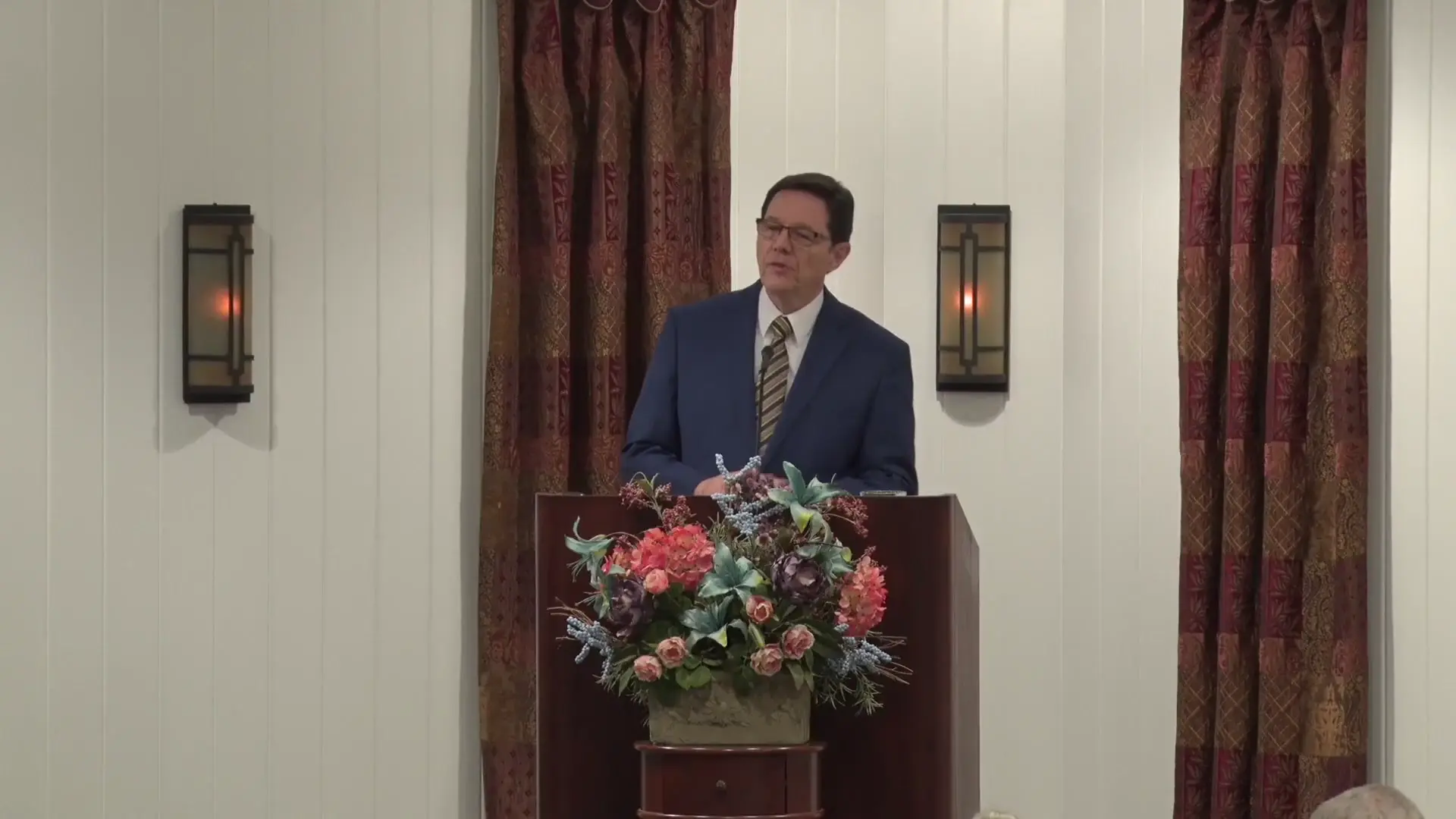
Are You Part of the Spiritual Unity?
Sermon by Martin G. CollinsDisunity, wherever it appears—whether in nations, armies, communities, or churches—arises first from an inward collapse rather than an outward one. Armies are defeated by division before battle, nations collapse morally before politically, and churches divide outwardly only after something has already broken down inwardly in the hearts and minds of members. Since unity begins with belief, disunity ultimately traces back to faulty or neglected doctrine, because what people believe shapes their values, choices, and conduct, which in turn either builds or destroys unity. Human efforts to unify around founding principles are doomed to fail because of inherent pride and self-centeredness, and this same self-focus, rooted in sin, is identified as the primary source of trouble within the church, since sin places the individual at the center of concern rather than the body as a whole. The church at Corinth illustrates this danger vividly: divisions, sects, and splits arose because members failed to understand the true nature of God's church, thinking of themselves in individualistic terms and forming rival factions—"I am of Paul," "I am of Apollos," "I am of Cephas." Paul's response was not to appeal for unity to be created, since spiritual unity already exists through the one Spirit, but to warn against breaking it. This is illustrated by the ridicule he applies to the notion of the eye rejecting the hand or the foot rejecting the ear, exposing the absurdity of any member claiming independence or superiority over another. The Parable of the Wheat and Tares further explains the presence of disunity and corruption within the visible church, showing that Satan deliberately sows counterfeit believers among the genuine, causing confusion and mixture rather than open hostility. This intermingling of good and evil is Satan's consistent method of operation, affecting congregations, nations, and homes alike, and it means the visible physical church will always contain imperfection, even though the true spiritual church—those indwelt by God's Spirit—remains inherently unified because God's Spirit cannot be divided. False doctrine is presented as a direct cause of disunity, since itching ears and resistance to sound doctrine lead people away from truth into strife, envy, and useless wrangling. Anything that interferes with the interdependence of the body's members, or introduces artificial division, is identified as false doctrine and schism. Ultimately, true unity is safeguarded—not manufactured—through humility, patience, forgiveness, sound doctrine, and love, guarding against the self-centered pride that produces disunity and instead binding believers together as one body under Christ.
Hebrews as a Sermon (Part Two)
Sermon by John W. Ritenbaugh (1932-2023)God designed the sermon of Hebrews to motivate God's people, who are going through the same turmoil as those living in 65 AD, facing persecution from society.
Together We Stand - But on What?
Sermon by Martin G. CollinsPaul, using the body analogy in I Corinthians, focuses on the need for unity and inter-relatedness by concentrating upon sound doctrine.
Unity (Part 7): Ephesians 4 (D)
Sermon by John W. RitenbaughBecause of our lack of self-discipline and willingness to guard the truth, we have allowed our theological base to deteriorate under the persuasion of the world.
Unity (Part 2): God's Pattern of Leadership
Feast of Tabernacles Sermon by John W. RitenbaughGod is not the author of confusion, but throughout the scriptures has used a consistent pattern of appointing leaders over His called-out ones.
What Is the Work of God Now? (Part Two)
Sermon by John W. RitenbaughThe largest portion of the great commission demands that the lion's share of time, money, or energy ought to be invested in feeding the flock.
Spiritual Gifts: Unity, Edification, and Order
CGG Weekly by Richard T. RitenbaughPaul desires to convey to the Corinthians three primary principles to help them use and manage the gifts God had graciously and abundantly bestowed on them.
A Time To Scatter
Sermonette by David C. GrabbeWhile we yearn for the church to be re-united, until our own personal walk with God is attained and we intently seek Him first, church unity will not happen.
The Christian and the World (Part Three)
Sermon by John W. RitenbaughWe must realize we are walking on a razor's edge, with the Kingdom of God on one side and the world with all its sensual magnetic charms on the other side.
Division, Satan, Humility
Sermon by John W. RitenbaughThroughout the course of Biblical history, whenever sin appears, confusion, division and separation are the automatic consequences.

The Mystery of the Church
Sermon by Richard T. RitenbaughGod desires to know whether the spiritual remnants will choose His teaching or assimilating into the world, biting and devouring one another.
Understanding Unity
Feast of Tabernacles Sermon by John W. RitenbaughWe must separate ourselves from the world, sacrificing ourselves to God's purpose to become at one with God, waiting for Him to unify us to others.
Disintegration
CGG Weekly by David C. GrabbeOur advanced communications, which have allowed globalism, are also bringing about tribalism. Rather than uniting everyone, they are dividing.
Knowing God
Feast of Tabernacles Sermon by John W. RitenbaughTo fulfill one's purpose, one must be singularly focused on what one wants to accomplish. Divided minds result in no productivity or even devastation.
A Peaceful Spirit
CGG Weekly by Gary MontgomeryIf we consider our relationship with God of small value, our conduct, especially toward our brethren, will show it and produce contention and disunity.

A Hidden Mystery in God!
Sermon by Martin G. CollinsBefore anyone can have fellowship before God, the obstacle of sin must be eliminated, which is a permanent barrier between us and God.
Letters to Seven Churches (Part Ten): The Church
Sermon by Richard T. RitenbaughUps and downs, blessings and trials, have characterized every era of the church. God's people are always battling something negative between the brief highs.
Humble Your Hearts and Be No Longer Stubborn
Sermonette byThe peace that passes all understanding comes from yielding to God's will, asking Him for a soft, pliable heart to replace the hard heart of stubbornness.
Is There a True Church?
Sermon/Bible Study byGod's true church cannot be found without revelation nor can one join the organization; God calls and places each member in its appropriate place in the Body.
Philippians (Part Two)
Sermon/Bible Study by John W. RitenbaughPaul both appealed for unity among the Philippians and offered encouragement, reminding them that their relationship with one another was through Christ.

Titus (Part Four): Traits of a Healthy Church
Sermon by Richard T. RitenbaughTitus 2 gives specific instructions to senior members of the congregation, followed by instructions to the youth, explaining their responsibilities.
The Beatitudes, Part 7: Blessed Are the Peacemakers
'Personal' from John W. RitenbaughThis world lauds warmakers, but God says that peacemakers are blessed. The first step in becoming a peacemaker is to be reconciled to God.
Avoiding Superficiality
Feast of Tabernacles Sermon by John W. RitenbaughSuccess in spiritual things does not consist in growing large and powerful, but humbly living by faith, overcoming, and yielding to God's shaping power.
All in All
Sermon by John W. RitenbaughThe 'all in all' process has already begun. Our obligation and responsibility is to obey and yield to Christ and God the Father, conforming to their image.
Debate
Sermon by Richard T. RitenbaughThe Bible takes a very dim view of argument, debate, discord, and strife. In all matters of contention, we must strive to put ourselves above the fray.