


Filter by Categories
Living by Faith: God's Grace (Part Four)
Sermon by John W. Ritenbaugh (1932-2023)Salvation by grace through faith is a foundational truth in our relationship with God. Without grace, there would be no salvation for anyone. God, as our Creator, equips us with gifts and abilities to fulfill His purpose, which is to develop in us the same character He possesses, bringing us to His glory. Salvation and faith are both gifts from God, as is everything in His creative work within us. Our works, which are the fruit of His grace, do not earn salvation but glorify Him and internalize His character in our hearts during the process of sanctification, forming us into the image of Jesus Christ. God's grace supplies us with the empowerment to overcome character flaws, continuously flowing from our Savior to us as long as we accept and use it. This grace is not a one-time act but a series of benefits, described as grace upon grace, providing blessings, favor, powers, forgiveness, knowledge, understanding, wisdom, healings, and protection through God's loving concern. Jesus Christ is the ever-fulfilling source of everything good in our spiritual life, meeting our needs for His spiritual creation, freely given without any obligation on His part. Grace is often used as a broad term for the powers given by God to meet our spiritual needs, epitomizing the freeness of His personal, patient, and concerned generosity. Jesus Christ personifies grace, exemplifying all its powers and benefits, teaching us through empowerment, wisdom, understanding, inspiration, and discernment to identify the subtleties of satan's anti-God system. Justification by grace through faith is essential to prevent human pride from entering our relationship with God, as earning justification through works would open the door to claiming merit for our goodness, which is destructive to godly character. God chooses us for salvation while we are still sinners, ensuring that pride cannot be part of the relationship. Justification cannot be claimed as an entitlement through law-keeping, for once we sin, we are indebted to the law and unable to make up for it except by death. Therefore, it must be received as a gift freely given by God, as exemplified by Abraham, who was justified by faith when He believed God, long before any works were required. This principle applies to all of us, as spiritual children of Abraham, justified not by works but by faith, freeing us in Christ to keep God's law as He did.
Living by Faith: God's Grace (Part Three)
Sermon by John W. Ritenbaugh (1932-2023)Salvation by Grace through Faith is a profound gift from God, revealing His undeserved benevolence toward sinners. Grace, as a spiritual concept, far surpasses its secular meaning, emphasizing spiritual gifts given by God for growth and salvation. It is an empowerment from God, freely bestowed for service and spiritual accomplishment, not because He is obligated, but because it is in His nature to give, to save, and to help those less well off. His grace is unmerited divine assistance for regeneration and sanctification, in no way earned by us, underscoring that salvation is accomplished through His benevolence from beginning to end. God owes us nothing but death due to our sins, yet He freely offers grace, not by constraint but as an expression of His character. This grace is the single most important aspect of our spiritual and eternal salvation, completely unearned, balancing our pride and humility. Every sin we commit is against Him and His Son, yet He continues to bestow wonderful gifts, starting with life itself as our Creator, and extending to the hope of something far better. Without what He freely gives, we are nothing, totally dependent on His provision, both physically and spiritually. Salvation by grace through faith, as highlighted in Ephesians 2:4-10, is a gift from God, not of ourselves. It is by His grace we have been saved through faith, a process initiated by Him drawing us to Christ, as no one can come to the Savior unless God acts first. This calling and election are acts of His grace, undeserved and unearned, often before any works could be done, showing that faith itself is a fruit of His freely given grace. Salvation, while a gift, is not unconditionally guaranteed; it can be lost if we refuse His gifts, as seen with the Israelites in the wilderness who lost faith despite His provisions. Grace is the foundation for good works, but these works do not earn grace; they are the fruit of His creating power, enabling us to glorify Him and serve the body of Christ. His grace empowers us to yield to His will, to live a new life in Christ, and to overcome challenges, as it is the source of godliness. God's character, reflected in the Old Testament concept of chesed—translated as mercy, kindness, or steadfast love—parallels the New Testament use of grace, expressing His faithful covenant love, freely given without constraint, and far surpassing human deserving. His unchanging nature as a generous, kind, and faithful gift-giver is the foundation of our hope and salvation.
Living by Faith: God's Grace (Part Two)
Sermon by John W. Ritenbaugh (1932-2023)God's grace is indispensable to our salvation. Without it, there would be no calling, no justification, no Holy Spirit, and no sanctification. Grace is the key element in God's entire purpose for our salvation, set against the backdrop of His justice, which would rightfully condemn us due to our consistent disobedience. Yet, in His purpose, He provides grace, supporting and fulfilling our needs all along the way. At the time of our calling, we were dead in sin, spiritually lifeless, and in need of being raised to new life. Through baptism, a symbolic burial and resurrection, we are given a new spirit—God's Holy Spirit—and are called to live by faith, submitting to God to fulfill our part in His purpose under the New Covenant. God's grace is not a one-time event that justifies us; it is a continuous gift that sustains us throughout our journey. There is a warning, however, that we must not receive God's grace in vain. Like the Israelites in the wilderness, many of whom failed to reach the Promised Land due to unbelief, we too can fall away if we do not maintain our faith and steadfastness to God. Warnings throughout the New Testament remind us that even those who are converted can develop an evil heart of unbelief or willingly turn to sin without resistance, reaching a point where they can no longer be renewed to repentance. God's grace, defined as unmerited divine assistance for our regeneration and sanctification, is in no way earned. Our salvation is a benevolence gifted by God from beginning to end, directed by Him, with us responding in thankfulness. He gives grace freely, not out of obligation or constraint, but because it aligns with His unchanging nature and purpose. Despite our inconsistencies and sins, He is ever willing to forgive if we approach Him in repentance. God's grace is the single most important aspect of our spiritual and eternal salvation, surpassing all else in significance. It cannot be demanded or earned, requiring us to approach Him in humility, recognizing that every sin we commit is against Him and His Son personally. From the very beginning, even before our birth, God's grace has been poured out to empower us for His Kingdom, calling us individually according to His design and purpose. This grace permeates every aspect of our lives within the body of Jesus Christ, equipping us to fulfill our responsibilities as He builds His Holy Temple.
Living By Faith and God's Grace
'Personal' from John W. RitenbaughSalvation by grace through faith stands as the cornerstone of God's purpose for us. Without grace, there would be no salvation, no calling, no justification, no Holy Spirit given, and no sanctification. Grace is indispensable, for without it, there would be no creation itself. In the face of our disobedience, God's grace emerges as the key element in His entire purpose, set against the backdrop of His righteous justice. We are as guilty as those who faced His judgment in times past, yet His purpose for us is greater, and through grace, He has raised us from spiritual death to life. At the time of our calling, we were dead in trespasses and sins, but He made us alive, fulfilling His purpose through a spiritual resurrection symbolized by baptism. From this point, we must live by faith, submitting to Him to fulfill our role in His plan, finding that His grace supports and fills our needs along the way. Yet, we must remain vigilant, for it is possible to fall from grace, as seen in the failures of some who did not reach their promised end despite His calling. Our calling and election by Him preceded any knowledge or faith on our part, ensuring that no work of ours could claim credit for salvation. Grace is His gift, not earned by our faith, but freely given as part of His specific plan for each of us. Through this grace, we receive the power to live a righteous life pleasing to Him, a continuous flow of blessings, gifts, favor, forgiveness, knowledge, understanding, wisdom, protection, and more, all supplied through our relationship with His Son. This grace, unowed and unmerited, meets our every spiritual need as He shapes us for a place in His Kingdom, providing the strength to overcome and glorify Him.
Faith Without Works
'Ready Answer' by StaffSalvation by grace through faith is a profound truth revealed in Ephesians 2:8-9, where the apostle Paul declares that we are saved by grace through faith, and this is not of ourselves but is the gift of God, not of works, lest anyone should boast. The purpose of Paul's statement is not to dismiss the necessity of works entirely, but to emphasize that works alone do not save us; rather, it is grace and faith that bring salvation. Immediately following, in Ephesians 2:10, Paul clarifies that we are God's workmanship, created in Christ Jesus for good works, which God prepared beforehand that we should walk in them. Thus, God desires us to engage in good works as a vital part of our purpose as true Christians, for we cannot truly be followers of Christ without them. There is no contradiction between faith and works; both are essential, as faith is required to receive salvation, and works are required to demonstrate and fulfill God's will in our lives.
Sovereignty, Election, and Grace (Part Five)
Sermon by John W. RitenbaughSalvation by grace through faith stands as a foundational truth in the journey toward the Kingdom of God. It is clearly declared in Ephesians 2:8-10 that by grace we are saved through faith, and this faith is not of ourselves; it is the gift of God, not of works, lest any man should boast. We are His workmanship, created in Christ Jesus unto good works, which God has before ordained that we should walk in them. Good works do not save us; rather, they are the fruit of God's creative efforts within us, as we are being shaped in Christ Jesus. This principle is further illuminated in Romans 4:1-5 and verse 13, where justification—a clearing of guilt before God and alignment with His standard of righteousness—is by faith, not by works. If Abraham were justified by works, he would have reason to boast, but not before God. Instead, Abraham believed God, and it was counted unto him for righteousness. To him that works, the reward is reckoned of debt, but to him that works not, but believes on Him that justifies the ungodly, his faith is counted for righteousness. The promise to Abraham and his seed was not through the law, but through the righteousness of faith. Justification opens the door to all the good things in God's purpose, for without it, there is no holiness, no creation in Christ Jesus, and no workmanship producing good works. In terms of salvation itself, grace and works are mutually exclusive. Grace frees us from the condemnation of sin, while works serve as evidence that we have been freed. Salvation is by grace, yet everyone who receives salvation does good works because they are the result of God creating a clean heart within us, as David implored in Psalm 51:10 for God to create in him a clean heart and renew a right spirit. An evil heart, as Jesus taught in Matthew 15:16-20, produces evil works, defiling the man, but a clean heart, crafted by God, brings forth good works as the evidence of His transformative power. Grace, derived from the Greek word charis, signifies God's favor and graciousness of manner, motivating Him to grant gifts, or charisma, which are unearned endowments given through His Spirit to aid us in our spiritual journey. These gifts, as seen in Romans 12:6-9 and I Corinthians 1:7, are bestowed not because of our merit, but due to God's desire to deliver us from our impossible plight between sin and death. Works, from the Greek ergon, represent the expenditure of energy and the product of that effort, but they do not secure salvation; they manifest as the outcome of God's grace working within us. Romans 5:15-20 powerfully illustrates how God's grace abounds far beyond the offense of sin. Through one man's sin, death reigned, but through the grace of God and the gift by grace in Jesus Christ, justification and life abound to many. The free gift of Christ's righteousness is not like the trespass of Adam, for it covers not only the original sin but all subsequent offenses, providing justification for those who trust in Him. This grace does not free us to do as we please, but to do righteousness, aligning our works with God's character and law. Salvation, whether in Hebrew or Greek contexts, consistently means deliverance, rescue, or setting free from a helpless state. It is God's initiative, as seen in Genesis 3, where He sought out Adam and Eve after their sin, and in John 6:44, where no man can come to Christ except the Father draws him. Romans 5:6-8 underscores this grace, showing that while we were yet sinners, Christ died for us, demonstrating God's love and setting the stage for our deliverance through a gift of incomparable value. This act of grace, planned before the world as noted in I Corinthians 2:7-11, reveals spiritual truths through His Spirit, enlightening our minds to mysteries beyond natural understanding. However, this salvation applies only to those who believe, as emphasized in Romans 1:16 and Romans 3:21-25. The gospel is the power of God unto s
Faith and the Christian Fight (Part Two)
Sermon by John W. RitenbaughSalvation by grace through faith is a divine gift, not a product of human effort or merit. God, in His sovereign will, initiates this process by placing an urge within us to seek Him, as no one can come to Jesus Christ unless the Father draws them. This saving faith is not generated by human reason or experience but is a miraculous gift from God, given through the hearing of the gospel, which serves as the medium for this divine bestowal. Scripture affirms that salvation is by grace through faith, not of ourselves, but as the gift of God, ensuring that no one can boast of their works. Grace is God's kindness revealed to us, often in ways unique to each individual, much like He revealed Himself to Moses through the burning bush. Without this divine revelation, we would remain blind to His presence, deceived by the adversary who obscures our spiritual vision. God's work in us is evident as He makes us alive when we were dead in trespasses and sins. This spiritual quickening is entirely His doing, emphasizing that both grace and faith are gifts, not earned by human endeavor. Our good works, ordained by God, are a response to this faith, serving as external evidence of the internal gift, following rather than preceding His initiative. As a new creation in Christ Jesus, we are His workmanship, cooperating with Him in this transformative process. God works in us to will and to do His good pleasure, providing the desire and direction for our salvation, which we must work out with fear and trembling, not to earn it, but to carry it to its logical conclusion through a life worthy of the gospel. God's election is His choice, not based on human works, as seen in His selection of Jacob over Esau before either had done good or evil. His mercy and compassion are bestowed according to His will, ensuring that salvation remains His gift, not a debt owed to us. This divine choice levels the playing field, giving everyone a fair chance at salvation through grace, regardless of background or knowledge of the law. Justification by faith, as exemplified by Abraham, is not through works but by believing God, resulting in righteousness being imputed to us. This righteousness is not our own but that of Christ, credited to us through the faith God provides, making us legally righteous before Him. Through this justification, we gain peace with God and access to His grace, standing in hope of His glory. The process continues with sanctification, where legal righteousness becomes practical through the power of God's Spirit, transforming us experientially. This involves a symbolic death to sin through baptism, mirroring Christ's death and resurrection, enabling us to walk in newness of life, crucified with Him, yet living by His faith within us. Ultimately, salvation by grace through faith ensures that God retains full responsibility for its provision, demanding our humility and cooperation. We have nothing to boast about before Him, as every aspect of our salvation, save for our yielding response, originates from His divine initiative.
The Covenants, Grace, and Law (Part Twenty-Nine)
Sermon by John W. RitenbaughSalvation by grace through faith begins with the recognition that justification, the imputing of righteousness apart from the deeds of the law, occurs solely through faith in the blood of Jesus Christ as the propitiation for sins. This legal declaration of freedom from guilt aligns a person with God's standard and grants initial access to His presence, yet it remains distinct from salvation, which is complete deliverance into the inheritance and the Kingdom of God. The righteousness of Christ is accounted to the believer, enabling reconciliation, while the law itself continues to reveal sin and define righteousness without providing life or justification. This understanding develops through the contrast between the carnal mind, which is enmity against God and therefore antagonistic to His law, and the clear scriptural declarations that faith establishes rather than voids the law. Paul emphasizes that a person is not justified by works of the law except through faith in Christ, meaning works performed apart from that faith contribute nothing, while faith without corresponding works is likewise dead and ineffective. The doers of the law are justified precisely because living faith produces obedience that demonstrates genuine belief in the Savior who declared the law's permanence. The broader message connects justification and salvation to God's purpose of reproducing Himself in humanity by creating reliable, law-abiding character. The Old Covenant, added because of transgressions, could not justify because it lacked provision for forgiveness or the Holy Spirit, serving only as a temporary bridge until Christ. The New Covenant writes God's laws on the heart and mind, confirming that grace through living faith incorporates ongoing obedience as the means of walking in the steps of Jesus and attaining the full deliverance of salvation.
Faith
Sermonette by James BeaubelleKing Jehoshaphat, by totally surrendering to God, achieved a miraculous victory over three armies by standing still, waiting patiently for His intervention.
The Covenants, Grace, and Law (Part Three)
Sermon by John W. RitenbaughSalvation by grace through faith stands at the heart of the covenant relationship God establishes with His people, and this principle is neither new to the New Covenant nor separate from obedience. Ephesians 2:8-10 establishes that salvation is a gift, not earned by works, yet immediately connects grace to purpose: believers are God's workmanship, created in Christ Jesus for good works which God ordained beforehand. Titus 2:11-14 reinforces this, showing that grace itself disciplines believers—teaching, drilling, and correcting them—toward godly living, redemption from iniquity, and zealousness for good works. Grace and good works are therefore inseparably tied; works serve as a witness before men and help ingrain God's way into the believer's character. A critical clarification addresses the false impression, found in a Worldwide Church of God publication, that grace and salvation by faith are innovations introduced with the New Covenant, replacing an old system of law. This is refuted directly: men have always been saved by grace through faith, since no one has ever earned salvation through law-keeping. The Ten Commandments existed before Sinai, as did tithing and dietary laws, proving they were not "added" as a burdensome package later abolished by Christ's death. The claim that Christ's yoke is easy because He abolished the law is rejected; rather, any burden felt in keeping God's law stems from past disobedience catching up with a person, not from the law itself being harsh. Faith is shown to be the operative principle in every covenant—Old, New, marital, or commercial—since every party to an agreement believes the terms serve their best interest. Israel's failure at Sinai illustrates this: they entered the covenant in faith but their faith did not endure, resulting in disobedience and failure to enter the Promised Land. This establishes that the real issue distinguishing covenants is not the presence or absence of faith, but the kind and durability of faith exercised. Because humanity's "track record" before God is entirely untrustworthy, grace supplies what is lacking: God applies Christ's perfect record on the condition that a person has changed attitude and conduct and believes in Christ's blood. This exchange is costly—Christ's life was the purchase price of redemption—and believers, in turn, offer their own lives as collateral through baptism, becoming Christ's purchased possession. This covenant relationship necessitates justification—being cleansed and clothed in righteousness, symbolized by Israel washing their garments before receiving the law at Sinai. Justification aligns a person with God's standard, His law, but does not abolish that law any more than alignment with a margin abolishes the edge of the page. Grace, faith, and law-keeping thus function together: justified believers are explicitly warned against continuing in sin, since sin remains real, and Christ's sacrifice was not given to eliminate the law but to enable obedience within a genuine, enduring covenant relationship with God.
The Manifold Grace of God
Sermon/Bible Study byGod's calling us is just our initial taste of His grace. Grace is unmerited, but it is not unconditional. We have an obligation to respond to God.
Sovereignty, Election, and Grace (Part One)
Sermon by John W. RitenbaughGod, as Creator, takes the initiative (as the potter over the clay) for the elect's salvation, enabling us to build the repertoire of habits called character.
Grace Upon Grace
Sermon by John W. RitenbaughForgiveness is only the beginning of the grace process, enabling us to grow to the stature of Christ. Paradoxically, grace puts us under obligation to obey.
The Covenants, Grace, and Law (Part Sixteen)
Sermon by John W. RitenbaughRighteousness consists of applying the Law's letter and/or intent. Sin constitutes a failure of living up to the standards of what God defines as right.
Faith and the Christian Fight (Part Five)
Sermon by John W. RitenbaughBoth the 'eternal security' and 'no works' doctrines are destroyed by the remarkable example of Noah, who performed extraordinary works based upon faith.

Five Teachings of Grace
'Personal' from John W. RitenbaughProtestantism unthinkingly presents grace as "free." However, Scripture shows that God expects a great deal of effort from us once we receive it—it is costly.
The Covenants, Grace, and Law (Part Seventeen)
Sermon by John W. RitenbaughThe Law (including the judgments, ordinances, and statutes), far from being done away, shows us our faults and outlines the way of mercy and love—how to live.
Camouflage and Salvation
Sermon by John W. RitenbaughSatan has provided what appear to be plausible alternatives to Christ's sacrifice for salvation, like service, positive changes, and right thinking.
Faith and the Christian Fight (Part Four)
Sermon by John W. RitenbaughGod begins His spiritual creation by grace because the wages of sin is death. Consequently, God's people will exercise humility and faith in yielding to Him.
The Awesome Cost of Salvation
Sermon by John W. RitenbaughWe need to be sobered at the awesomeness of the cost to set us free from sin—what the Creator endured. We have been purchased, and are obliged to our Purchaser.
The Faithfulness of God (Part Two)
Feast of Tabernacles Sermon by John W. Ritenbaugh (1932-2023)God established permanent patterns, electing Abraham, Isaac, and Jacob, as well as all of those He has called. This election should be our obsession.
Faith (Part One)
Sermon by John W. RitenbaughWe would like God to instantly gratify our desires. Consequently, we find living by faith difficult; we do not trust that He has things under control.
Is God a False Minister?
'Personal' from John W. RitenbaughThose who advocate doctrinal change portray God as a confused and false minister who lacks the power to instruct his chosen leaders to 'get it right.'
Do We Have 'Eternal Security'?
'Ready Answer' by Richard T. RitenbaughAre we 'once-saved, always-saved'? Once God grants us His grace, are we assured eternal life? The fallacies of the doctrine of 'eternal security' are exposed.
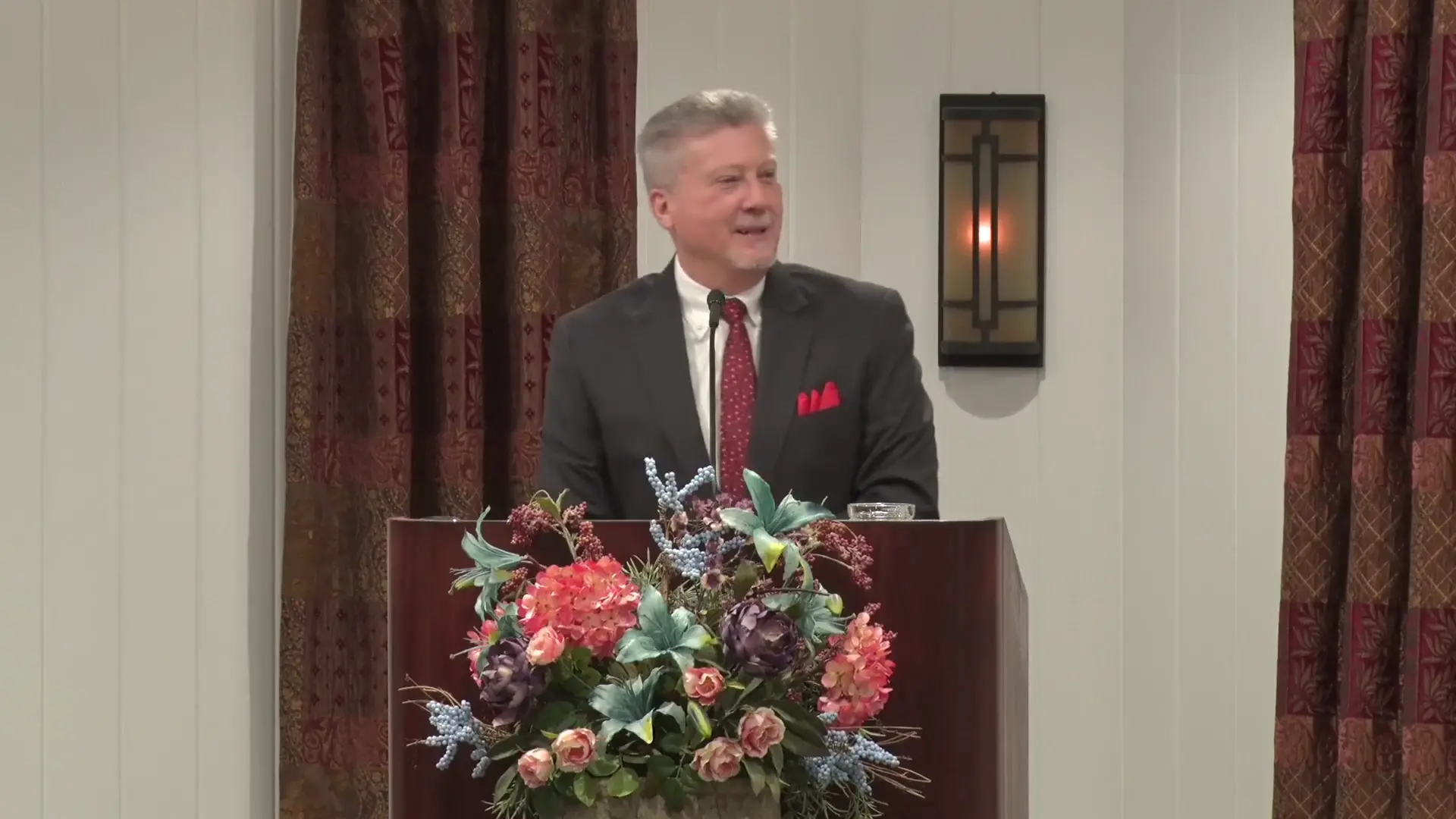
The Jerusalem Council's Conclusion
Sermon/Bible Study by Richard T. RitenbaughSalvation by grace through faith is presented as the sole means by which both Jews and Gentiles receive justification and eternal life. God acts unilaterally in election, love, and mercy, granting favor so that sinners may be drawn to Christ, repent, accept His sacrifice, and have their sins forgiven. No human work, whether circumcision, baptism, or any other action, contributes to this justification, because works of any kind cannot produce salvation and would allow boasting. Faith is the only required response, yet even this faith is a gift from God rather than something generated by the individual. This principle is illustrated from Ephesians 2, where Paul declares that believers are made alive together with Christ, raised up, and seated in heavenly places by grace alone, a gift not of works. The same truth underlies the Jerusalem council, where Peter affirms that God makes no distinction between Jew and Gentile, purifying hearts by faith and granting the Holy Spirit equally to both groups. Gentiles who believe are saved in exactly the same manner as Jews, through the grace of the Lord Jesus Christ. James concurs, noting that God had long planned to include Gentiles and therefore no additional requirements should be imposed beyond the gospel itself. Circumcision, when treated as a necessary work for salvation, is rejected because it belongs to the category of human effort rather than divine grace. The council therefore refuses to place any greater burden on Gentile converts, recognizing that the law of Moses as accumulated tradition cannot be kept and was never intended as the instrument of justification. Instead, the apostles uphold that God's law remains in force as the standard that defines sin and guides righteous living, while salvation itself rests entirely on grace received through faith. This understanding preserves unity in the church and keeps the focus on Christ's finished work rather than on ritual observance.
The Christian Fight (Part Four)
'Personal' from John W. RitenbaughWhile we must express some of our own faith as we come to salvation, most of saving faith is a gift of God. Abel and Enoch illustrate the pattern of faith.

The Christian Fight (Part Five)
'Personal' from John W. RitenbaughThe faithful life and work of Noah illustrates that after justification, walking by faith with God is a practical responsibility.
Forms vs. Spirituality (Part 4)
Sermon by John W. RitenbaughThe yoke grievous to bear (Acts 15:10) was not God's law, but an entire package of Pharisaic regulations that had been elevated to the level of God's law.
God's Workmanship (Part 1)
Sermon by John W. RitenbaughGod's creation did not end with the physical creation or our election, but God continues to work, giving us the motivation and the power to do His will.

The Christian Paradox (Part One)
Sermon by Richard T. RitenbaughSalvation is not merely self-identifying oneself as a saint, but it involves rigorously working with God in an arduous process of transformation.
Does Doctrine Really Matter? (Part Eleven)
Sermon by John W. RitenbaughBecause of Dispensationalism, many believe there is an adversarial relationship between law and grace, as though they cannot be complementary.
Leadership and Covenants (Part Fifteen)
Sermon by John W. Ritenbaugh (1932-2023)The quality of leadership affects the morality and well-being of a nation, and the quality of family leadership trickles up to civic and governmental leadership.