


Filter by Categories
Holy Convocations
Sermonette by Ronny H. GrahamThe term "holy convocation" is repeated ten times in Leviticus 23, indicating that God places utmost importance on fellowship with siblings in the faith.
The Feast: Vacation or Holy Time?
CGG Weekly by Mark SchindlerThe Feast of Tabernacles is a commanded and holy assembly of God's people, called together for His honor and glory. It is not merely an elective time for physical rejoicing but a solemn and holy time set apart by God to be observed as He commands. When God calls a holy convocation of His people, we should do our utmost to be there, just as we are required to attend Sabbath services every week. Various factors such as age, health, and unforeseen difficulties may make it difficult or impossible for some to attend in the place God has designated, but we must examine ourselves to ensure our hearts have not demoted God's holy time to a mere elective.
As He Is Holy (Part Two)
CGG Weekly by Ronny H. GrahamGod is serious about what He makes holy, including His feasts. Some have come to regard God's feasts as less than holy convocations due to technological advances. Are we not commanded to keep the Feast to the Lord for seven days with a Sabbath-rest on the first and eighth day? Can we keep God's Feast holy when we do it our way rather than His way? Do our advanced electronics change how we are to follow God's law?
God's Holy Days - Our Shared Vision Of Hope
Feast of Tabernacles Sermon by Mark SchindlerThe Sabbath and Holy Days are likened to a magnificently beautiful light on the horizon, offering a glimpse of hope as we navigate the storms of life. These days provide us with an incredible opportunity from God to be in the right place at the right time, with clear instructions on where to look to see the brilliant light behind the storm clouds. This vision is shared weekly through the Sabbath and annually through the Holy Days. God commands a holy convocation on each Holy Day for us to work out our understanding and commitment together, practicing what we have learned. These gatherings are essential for us to learn the way of holiness and to care for one another as our Father cares for us. They are times to be together, sharing God's time and strengthening our vision of the Family of God. The Holy Days and Sabbaths are a road map of hope, helping us understand our Creator's mind and the detailed perfection of His plan. They are a gift to be cherished and a responsibility to share among ourselves, reinforcing our strength as we face the challenges at the end of the age. God has given us these days to ensure we are not swept away by the increasing storms, providing a clear vantage point of the light behind them. By keeping these days as God commands, we can maintain loyalty to Him and unity with each other, bolstering our confidence, strength, and purpose in service before His throne.
Are God's Holy Days To Be Kept Today?
Sermon/Bible Study by Martin G. CollinsGod's feasts, as outlined in Leviticus 23, are holy convocations, sacred gatherings commanded by the Lord. Leviticus 23:1-3 states that the Lord spoke to Moses, instructing the children of Israel to observe these feasts as holy convocations, beginning with the seventh day Sabbath, a day of solemn rest where no work shall be done. This weekly Sabbath is identified as a feast of the Lord, a sign between Him and His people, marking His identity as the Creator. In Exodus 12:14-17, during the institution of the Passover and the Feast of Unleavened Bread, God commands holy convocations on the first and seventh days of the feast, emphasizing that no work shall be done except for necessary food preparation. These days are to be observed as everlasting ordinances, ensuring that God's people remain in the true memory of His deliverance and plan. These holy convocations are not bound by location but are to be observed in spirit and truth, as Jesus Christ taught. They serve as vital reminders of God's plan of salvation, impressing the truths of spiritual creation upon His church through continual observance year after year. God's purpose in these sacred assemblies is to keep His children in true worship and understanding of His redemptive work.
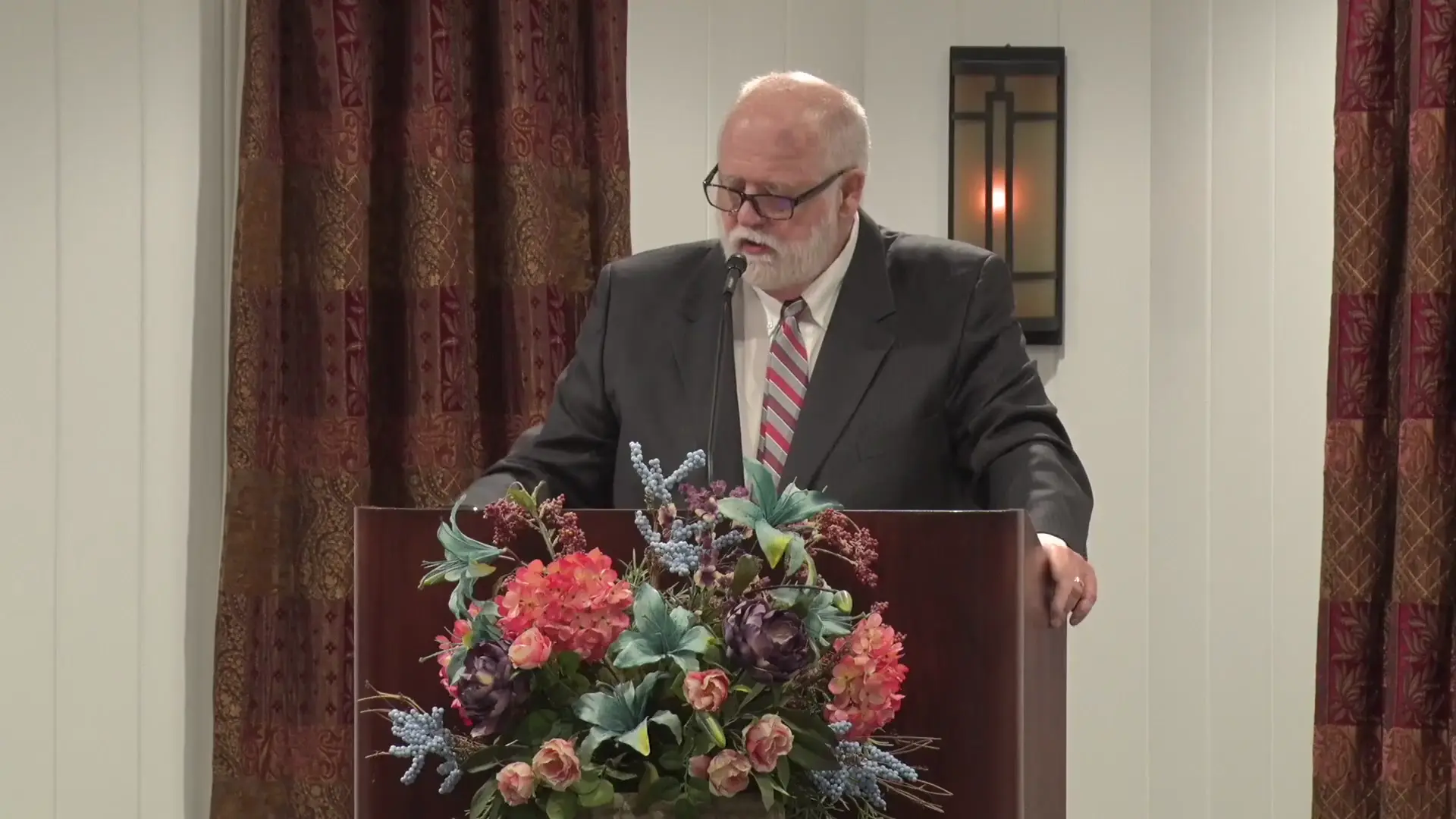
Holy Ground
Sermon by Ted E. BowlingThe Sabbath, as described in Leviticus 23:3, is a day of solemn rest and a holy convocation. This term, convocation, signifies a calling together, a sacred assembly where God's people are officially summoned to gather. It emphasizes the importance of interaction and involvement with fellow brethren on a regular basis, as God has ordained this assembly every seven days. This gathering is not only for learning through teachings but also for mutual encouragement and support among God's people. God designed the Sabbath to serve mankind, ensuring it becomes a time of rest, reflection, and spiritual growth when kept properly, making it a delight.
Feast: Command of God?
Sermonette by Ronny H. GrahamKeeping God's annual Sabbaths are just as much a mandate on God's people as keeping the Ten Commandments.
Skipping Services? Consider Carefully
CGG Weekly by Richard T. RitenbaughThe Sabbath service is one of the most essential benefits of the day. It is a formal meeting between God and His elect, an occasion when He can instruct them about His way of life. In turn, His people profit from their worshipful response to Him by heeding His teaching, singing praises to Him, and joining with their brethren in prayer. The gathering of God's people permits the essential fellowship of believers, which should not be forsaken, but rather encouraged, especially as the Day approaches. He calls us to assemble on His holy day and expects to see us there out of love for Him, for our brethren, and for ourselves. How else will we receive the full benefit of God's gift of the Sabbath?
The Sacred Assemblies (Part One)
CGG Weekly by David C. GrabbeGod's instructions for the annual holy days contain a rarely noticed but significant distinction. Leviticus 23:2-4 commands that all the holy days, along with the weekly Sabbath, include holy convocations. However, a couple of these days are additionally identified as sacred assemblies, or solemn assemblies. Although the terms holy convocation and sacred assembly have commonly been used interchangeably, they are not actually synonymous. The Hebrew word translated as sacred assembly is atzeret (Strong's 6116), and an atzeret is understood to be a holy convocation that carries a special purpose beyond the general designation. The law specifically identifies only two sacred assemblies, called atzerote, the plural form of atzeret, and both occur at the conclusion of week-long festivals. Deuteronomy 16:8 commands a sacred assembly on the Last Day of Unleavened Bread. More frequently, however, the term is associated with the Eighth Day, which immediately follows the Feast of Tabernacles, as described in Leviticus 23:33-36. The Eighth Day holds particular significance because it stands as the last annual holy day observed before the sacred calendar returns to springtime and the yearly cycle of worship begins again. While human memory often struggles to retain even recent events, the placement of the Eighth Day and the themes embedded within the root meaning of atzeret suggest a deeper purpose: the entire progression of holy day observances throughout the year is meant to be closed and its instruction retained in the mind of the worshiper. This sacred assembly functions as a culmination, gathering up the meaning of all that has come before it in the annual cycle. This idea of closure is joined to another biblical theme, since the number eight consistently signifies new beginnings throughout Scripture. The pairing of the Eighth Day's closing function with its numerical association with new beginnings points to a deliberate connection between the two concepts. The closing and retaining of what has been learned throughout the year's worship is coupled with the launching of something new. This suggests that the purpose of the Eighth Day is to take what the worship of the past year has produced, internalize and retain its lessons, and then use that accumulated understanding as the foundation for beginning again, or beginning anew, as the sacred calendar restarts. This examination of atzeret reveals that the sacred assemblies are not merely repetitions of the general holy convocation command but carry their own distinct theological weight, tied to memory, retention, and renewal within the annual cycle of worship. A further exploration is anticipated regarding how the Old Testament prophets employed the term atzeret in their writings, which reveals a stubborn fault present in the people of Israel.
Is Church Attendance Required in the Bible?
Bible Questions & AnswersGod commands in Leviticus 23:3 that the seventh day is a Sabbath of solemn rest, a holy convocation, during which no work shall be done, as it is the Sabbath of the LORD in all dwellings. The term convocation literally means to speak together, signifying an assembly. In this context, God mandates a sacred assembly on the Sabbath for instruction and fellowship with other believers, emphasizing the importance of gathering together on this day whenever physically possible.
The Sacred Assemblies
Sermonette by David C. GrabbeThe Last Day of Unleavened Bread and the Eighth Day are the only designated "sacred assemblies," which require a greater degree of solemnity for reflection.
How to Have a Great Feast
Sermon by Richard T. RitenbaughThe feasts of the Lord are proclaimed as holy convocations, as stated in Leviticus 23:1-2, emphasizing that they belong to God. They are His appointed times, not merely days off or vacations, but sacred gatherings directed toward Him for His purposes. These holy convocations are not just church conventions; they are a calling together by God Himself, gathering His people into specific places where He has placed His name. The emphasis is on the holiness of these times, infused with His presence, making them distinct and significant. If one is not at His designated place and time, they are not together with Him. The Feast of Tabernacles, as detailed in Leviticus 23:33-38, begins on the fifteenth day of the seventh month and lasts for seven days, with holy convocations on the first and eighth days. During these days, no customary work is to be done, and offerings are to be made to the Lord. These feasts are reiterated as holy convocations, underscoring their sacred nature and the importance of worship and sacrifice during this period. The services during the Feast are paramount, representing the most critical times over the eight days, including the Last Great Day. They are formal meetings between God and His people, where He deepens their understanding of Him and His way of life. As a community, His people worship together through song, prayer, and attentive listening to messages, prioritizing these over other activities. The first step in having a great Feast is to focus on these services, to worship God, and to learn in fellowship with Him and His called-out people in that specific environment.

Polluted Sabbath?
Sermon by Bill OnisickIn Leviticus 23:3, we are commanded to keep God's Sabbath by doing no physical work and by making it a qadosh, that is, a holy convocation. It is a commanded day of assembly where God, the holy God, desires to be with His future holy people whom He is making holy. To obey this command, we must gather together with God and His people. Following Christ's example, as seen in Luke 4:16, we must assemble on the Sabbath as part of a holy convocation. It was His custom to be in the synagogue on the Sabbath day, demonstrating the importance of this gathering. The Sabbath represents a significant part of the plan of salvation, a day dedicated to spiritual work, mercy, healing, and cleansing. As priests in training, we must use this special day, just as Jesus did, for extending mercy, healing, cleansing, and doing good. We must not forsake the assembling of ourselves and must keep the Sabbath as a commanded holy convocation to worship God and use this time together to remove the pollutants from our lives.
What Is the Feast of Trumpets, Anyway?
'Ready Answer' by StaffThe Feast of Trumpets, as a holy convocation, is a sacred time appointed by God. Leviticus 23:24 instructs that on the first day of the seventh month, there shall be a sabbath-rest, a memorial of blowing of trumpets, and a holy convocation. This day, falling on the first of Tishri, meaning beginning, or Ethanim, meaning strong or valiant, is a call for God's people to gather and observe a pivotal moment in His sacred calendar. It serves as a time to stop mundane daily tasks and focus on eternal matters, reflecting on the significance of this feast as a turning point in history. Unlike other feasts, there is no specific location mandated for observing this holy convocation, allowing it to be kept in home church locations.
Contend Earnestly
Article by John O. ReidIn the midst of spiritual lethargy and waning zeal among God's people, there is a pressing need to renew dedication and excitement for His purpose. Many have relaxed their efforts in keeping His laws, Sabbath, and holy days, allowing their vision to become clouded. Now, more than ever, we must motivate one another to stand tall in the Word of God, to have great love for His laws and for each other, and to perform the works attendant to our calling. Let us consider one another, exciting each other for the work of God, especially in a time when differing attitudes within the greater church make motivating to love and good works challenging. As the Day approaches, we must stir the embers, fan the flame, and be zealous in our love and obedience to God, running our race with endurance and faith, looking unto Jesus, the author and finisher of our faith.
How Do We Keep God's Festivals?
'Ready Answer' by Richard T. RitenbaughGod's festivals, as outlined in Leviticus 23:1-2, are proclaimed as holy convocations, divinely appointed times set apart for calling together His people. These occasions are not merely for fellowship but primarily for instruction and to honor and worship God Himself. They carry a vital corporate aspect, fostering unity in purpose, doctrine, and relationships within the Body of Christ. Along with the weekly Sabbath, the seven annual holy days—comprising the first and last days of the Feast of Unleavened Bread (Hag Hamatzot), Pentecost (Shavuot, also called the Feast of Weeks or the Feast of Harvest), the Feast of Trumpets (Rosh Hashanah), the Day of Atonement (Yom Kippur, also called the Fast), the first day of the Feast of Tabernacles (Succoth), and the eighth day (often called the Last Great Day)—are also Sabbaths and holy convocations. On these days, as instructed in Leviticus 23:7-8, 21, 24-25, 35-36, no customary work is to be done, emphasizing their sacred nature and the focus on spiritual engagement over daily routines.
The Sabbath: Creation
Feast of Tabernacles Sermon by Richard T. RitenbaughHoly convocation designates an official summons to worship God together on appointed days such as the first day of the Feast of Tabernacles and the weekly Sabbath. Scripture requires that no customary work be done on these occasions, so that participants may cease from ordinary labors and devote the time to instruction in God's ways. Because the gathering occurs in a communal setting, it simultaneously promotes fellowship among those of like mind, enabling them to learn together and grow in understanding of what God is accomplishing with His people. The same term appears in the command that the seventh day constitutes a Sabbath of solemn rest and a holy convocation, underscoring that the day is set apart for collective worship rather than individual rest alone. This summons to assembly links directly to God's continuing work of sanctification, for observance of these days reminds the covenant people that He is the Lord who sanctifies them. By responding to the call of holy convocation, believers participate in the spiritual phase of creation that follows the physical work completed in six days, advancing toward the holiness and knowledge of the Father and the Son that constitute eternal life.
Made His Wonderful Works to Be Remembered (Part Two)
Sermon by Mark SchindlerGod's command establishes the appointed festivals as holy convocations that must be proclaimed at their designated times, serving as His own feasts set apart for solemn rest, assembly, and special offerings distinct from regular weekly Sabbaths. The seventh day functions as one such holy convocation requiring cessation from all work in every dwelling, while the annual feasts extend this pattern through additional days of complete rest and directed worship. In the Feast of Tabernacles the first and eighth days receive particular emphasis as occasions of full rest, with instructions to gather branches and dwell in shelters for seven days in order to recall how God caused Israel to live in booths after deliverance from Egypt. These convocations therefore function as permanent memorials that perpetuate remembrance of God's providential care and protection, fostering gratitude, obedience, and recognition of His personal works rather than self-reliance. Only those called into His holiness can fully appreciate the invitation to stand on this holy ground, submit to His Word, and rejoice together while recalling His gracious interventions that sustain them through trials. The practice thereby connects directly to the larger purpose of being set apart to live according to the Spirit, remember His wonderful works with thanksgiving, and prepare for the ultimate fulfillment when all things work together for good to those called according to His purpose.
Rejoice in God's Feast
Sermon by John W. RitenbaughThe concept of Holy Convocation is central to the observance of God's feasts, as outlined in the scriptures. Numbers 29:12-13 declares that on the fifteenth day of the seventh month, there shall be a holy convocation, during which no customary work is to be done, and a feast to the Lord is to be kept for seven days, accompanied by specific offerings made by fire as a sweet aroma to the Lord. Leviticus 23:37 further emphasizes that these feasts of the Lord are to be proclaimed as holy convocations, where offerings by fire, including burnt offerings and grain offerings, are to be presented to the Lord, signifying a collective act of worship and dedication by all, not just the priests. Deuteronomy 16:13-16 reinforces the importance of this sacred assembly during the Feast of Tabernacles, commanding that it be observed for seven days in the place chosen by the Lord, with rejoicing mandated for all—family, servants, Levites, strangers, orphans, and widows—ensuring that no one appears before the Lord empty-handed. This holy convocation is a time of communal gathering and sharing, reflecting the spiritual and physical prosperity blessed by the Lord, as each person gives according to the blessings received. The essence of the holy convocation is also tied to the historical and spiritual significance of the feasts, as seen in Leviticus 23:43, where the dwelling in booths during the Feast of Tabernacles serves as a reminder of God's deliverance of the children of Israel from Egypt, reinforcing the identity and purpose of the assembly before the Lord. Thus, the holy convocation is not merely a ritual but a profound expression of unity, sacrifice, and joy before the Lord in the designated place of worship.
Think Soberly (Part Two)
Sermon by Mark SchindlerEach Sabbath is to be a holy convocation, as noted in Leviticus 23:3, meaning we are called together to worship God. This assembling is a weekly Family reunion to pay homage to our Father, during which He instructs us further in His way of life. Through fellowship with the brethren on the Sabbath, we fulfill elements of drawing near to God, strengthening our faith, holding fast to our belief in doctrine through the messages we hear, and considering others' needs to aid them. This duty extends to attending services on the holy days throughout the year, ensuring we honor God by coming before Him in worship.
Pentecost and Time
Sermon by Richard T. RitenbaughGod appoints holy convocations as recurring times when He infuses Himself into a specific portion of time, sets it apart, and requires His called people to gather with Him. These convocations function as meetings at which He provides knowledge, understanding, wisdom, and other blessings that harmonize the elect with His purpose. Because the convocations follow the sun and moon cycles established at creation, they place God's own calendar into human life, allowing participants to synchronize their activities with His perfect timing. On these days customary work ceases so that full attention may be given to the appointed meeting. Keeping the convocations reveals the plan God is working out, enabling the faithful to recognize what He has done, is doing, and will do, and thereby to order the remainder of their lives in harmony with that plan. In this way the convocations become both the practical means and the continual reminder by which God's people remain in step with Him until they enter His Kingdom.