


Filter by Categories

Does God Cause Pandemics?
'Prophecy Watch' by David C. GrabbeIn the midst of national crises and pandemics, the question of God's involvement often goes unasked. Yet, Scripture reveals that when His people reject Him, God Himself claims responsibility for sending pestilence, plagues, fevers, inflammation, and weakness as consequences. As foretold in Leviticus 26:16, He promises wasting disease and fever that consume not only the body but also the heart through sorrow for loved ones. Similarly, Leviticus 26:25 warns of pestilence among gathered cities, highlighting the devastating impact of contagious diseases as a direct result of disobedience. God's prophetic words in Zephaniah 1:12 and Psalm 10:4 reflect the attitude of nations that hold Him at arm's length, where even in places with access to His Word, He is often absent from thoughts and no longer the standard for truth. This rejection, as God declares, brings about the very curses He has warned of, regardless of the human agents or origins involved in their unfolding. Whether pestilence arises from natural causes or human actions, what matters is that it aligns with what He has said He will do when His commands are disregarded. Through prophets like Jeremiah, God reiterates pestilence as a response to national immorality, emphasizing a clear cause-and-effect principle. Habakkuk struggled with God's choice to use the fierce Chaldeans to punish His people, yet this reveals that God employs even the basest of men, as seen in Daniel 2:21 and 4:17, to fulfill His will. He raises leaders and nations, whether Hazael of Syria or Nebuchadnezzar, to chasten His rebellious children, showing that His means may not fit human expectations but serve His purpose. God's own words in Isaiah 45:7 affirm that He creates calamity, and Amos 3:6 questions whether calamity in a city is not of His doing. Despite this, nations often reject the notion of divine judgment, focusing on external causes rather than the root issue of sin and disobedience. The pattern in Amos 4:6-12 demonstrates God sending lesser calamities, including plagues, to call His people to repentance, underscoring that such events are not random but purposeful acts to awaken a wayward nation.
In The Beginning, God Created
Sermonette by Ryan McClureThe reprobate theories of Darwin have polluted all facets of society, conditioning proponents of this vile idea to reject the Designer of creation.
Holiness of God (Part 3)
Sermon by John W. RitenbaughThe carnal mind is repelled by God's holiness and will often reject it, persecute it, or even seek to destroy it because it cannot endure the comparison with His transcendent purity. Sin wears a cloak of deception, and when confronted with the holiness of God, the natural response can be to push away the truth, to justify, or to outright reject it in order to escape His presence. Even among the converted, carnal thinking can lead to rejection of His holy standards, choosing instead to avoid the transformative power of His truth. Without the Holy Spirit, a person cannot truly appreciate or accept the beauty of God's holiness, often reacting with fear or a desire to flee from it, as seen in the responses of Isaiah and Peter when they encountered His sanctity.
The Wrath of God
Sermon by Richard T. RitenbaughLove motivates the two intrinsic parts of God's holy character—goodness and severity, as He seeks to rescue humanity from the consequences of sin.
One Nation Under God (Part One)
Feast of Tabernacles Sermon by Martin G. CollinsNational renewal cannot take place unless there is a true turning from sin and commitment to following the Law of God.
God and Reality
Sermon by John W. RitenbaughWhat God puts us through is designed to reveal reality to us. Accepting His doctrine without looking for loopholes will keep us true.
The Sovereignty of God (Part Six)
Sermon by John W. RitenbaughIn the context of God's sovereignty, rejecting Him is a central issue that has profound consequences for humanity. As seen in Deuteronomy 30:15-20, God sets before us life and good, death and evil, commanding us to love Him, walk in His ways, and keep His commandments to live and multiply with His blessing. However, if our hearts turn away, refusing to hear and instead worshipping other gods, God denounces that we shall surely perish and not prolong our days in the land He promised. He calls heaven and earth as witnesses, urging us to choose life by loving and obeying Him, for He is our life and the length of our days. This theme of rejection is further emphasized in I Samuel 8:7, where the Lord declares to Samuel that the people's demand for a king is not a rejection of Samuel, but of Him, that He should not reign over them. This act of rejecting God's direct rule reflects a fundamental failure to acknowledge His sovereignty, a failure that began with Adam and Eve and continues to challenge mankind. God is fully aware of such rejection and permits or orchestrates events according to His purpose, emphasizing that our faith must be in His overriding authority. Moreover, in Job 21:14-15, sinners openly reject God, saying, "Depart from us; for we desire not the knowledge of your ways," questioning the benefit of serving Him or praying to Him. Yet, God's sovereignty remains unchallenged, as He can intervene to change hearts and minds, demonstrating that even those who reject Him are subject to His will and purpose. Our actions and attitudes do not escape Him, and rejection of His rule will be judged in His time, underscoring the importance of submitting to His sovereign authority over all creation.
God Works in Mysterious Ways (Part Two)
Sermon by John W. RitenbaughGod has providentially given us trials to build character, proving beyond a doubt that we believe Him and have a burning desire to be at one with Him.
God and Government
Feast of Tabernacles Sermon by Richard T. RitenbaughGovernment run by carnal men will never work, but those under the New Covenant, having God's law written on their hearts, can make any form of government work.
God Works in Mysterious Ways (Part One)
Sermon by John W. RitenbaughOur carnal nature's desire to satisfy an addictive self-centeredness can eventually overrule the Christian's loyalty to God and His commandments.
John 3:16: Does God Really Love the World?
Sermon by John W. RitenbaughGod does not love everybody equally. Nowhere does He tell us to prefer the ungodly world. Though He tells us to love our enemies, but not to be affectionate.
The Beauty of God's Law
Sermon by Richard T. RitenbaughKeeping God's Law brings bountiful blessings, harmony, and profound peace (Psalm 119:165), while the 'cheap' grace brings guilt, anxiety, and pain.

The Longsuffering of God
Feast of Tabernacles Sermon by Ronny H. GrahamGod has exercised patience, longsuffering, and forbearance, but He cannot acquit the unrepentant sinner.
God Works in Mysterious Ways (Part Four)
Sermon by John W. RitenbaughNo one has any excuse for doubting God's purpose for mankind, whether revealed publicly through His Creation or privately through the Holy Scriptures.
Tempting God (Numbers 14)
Sermonette by James BeaubelleWe must carefully consider the offenses preventing the Israelites from entering the Land. That evil generation refused to trust Him, but complained continually.
Rejection Hurts
CGG Weekly by John ReissNo one has felt more rejection than Jesus Christ. He was rejected by those of His hometown, and His own physical brothers rejected Him because they did not believe.
The Signs of God (Part One)
CGG Weekly by David C. GrabbeJesus was not against signs at all, but against hardness of heart that was unwilling to believe unless personally entertained or impressed.
The Signs of God
Sermonette byJesus Christ is not against signs; the book of John is structured around eight signs. The Old Testament is full of signs that the Pharisees missed.
A Nation Under God?
CGG Weekly by Richard T. Ritenbaugh'One nation under God' means that we acknowledge God's part in our founding and in our future. It means that Americans acknowledge God's rule over them.
What's in the Bucket? (Part One)
Commentary by John W. Ritenbaugh (1932-2023)The last three American generations have had their minds poisoned, such that they unquestioningly embrace socialism and deviant lifestyles as the norm.
In the Wake of an Unnatural Disaster (Part One)
Commentary by John W. Ritenbaugh (1932-2023)The past 70 years has seen a systematic undermining of morality by humanists, and a bizarre redefinition as to what constitutes normal and abnormal.
A Government Like the Nations
CGG Weekly by David C. GrabbeSometimes God's most effective judgment is to give His people what they want and let them suffer for it.
Victims of Existentialism
Commentary by John W. Ritenbaugh (1932-2023)Existentialism, a philosophy of humanism, became a major force in America following World War II, ushering in a steep moral decline that has continued unabated.
The Nones, Atheism, and Immorality
Commentary by John W. Ritenbaugh (1932-2023)The 'Nones' have risen to prominence in society, ideologically committed to abortion, radical feminism, homosexuality, strict gun control, and socialism.
Humanism's Flooding Influence (Part Five)
Commentary by John W. Ritenbaugh (1932-2023)Institutions which started out as Puritan theological schools (Harvard and Yale) are turning out a plethora of godless humanists.
What Evolution Really Means
Article by David C. GrabbeWhy do people subscribe to evolution with more blind faith than a Christian needs to believe in a Creator? And what has been its fruit in society?
The Commandments (Part Two)
Sermon/Bible Study by John W. RitenbaughIdolatry constitutes the fountainhead from which all other sins flow, all of which amplify obsessive self-centeredness and self-indulgence.
Mightier Than the Sword (Part Nineteen)
Commentary by John W. Ritenbaugh (1932-2023)Without the acknowledgement of God, epistemology has no authority to set humanistic standards in place of the Creator.
Mightier Than The Sword (Part Eleven)
Commentary by John W. Ritenbaugh (1932-2023)Ralph Waldo Emerson was America's foremost practitioner of Transcendentalism and Pantheism, which equate the creation and the Creator, ignoring Him.
No Meeting of the Minds
CGG Weekly by Richard T. RitenbaughPeople in the world are functioning and reasoning on one wavelength and Christians on another, and the two are diametrically opposed.
Handwriting Is On The Wall (2019)
Feast of Tabernacles Sermon by Richard T. RitenbaughThose espousing transhumanism aspire to correct the 'glitches' of human imperfection through gene splicing, replacing 'inferior' organs with synthetic ones.
Hosea's Prophecy (Part Three)
Sermon by Martin G. CollinsModern Israel has a form of religion, but it is empty and unsatisfying because it refuses to obey God and substitutes the traditions of man in its place.
The Coming Anglo-American Crisis
CGG Weekly by David C. GrabbeThe nation cannot continue as it is. The questions that remain are: How long do we have? How bad is it going to get? What will our nation look like afterward?
Is America a Christian Nation? (Part Five)
Sermon by John W. Ritenbaugh (1932-2023)Having experienced the turmoil of the Catholic—Protestant clash, the framers of our Constitution did not want any sect dictating religious doctrines or practices.
Mightier Than the Sword (Part Ten)
Commentary by John W. Ritenbaugh (1932-2023)Three English humanistic philosophers were closely related in ideas and outlook, namely Jeremy Bentham, John Stuart Mill, and Bertrand Russell.
Debased Sodom
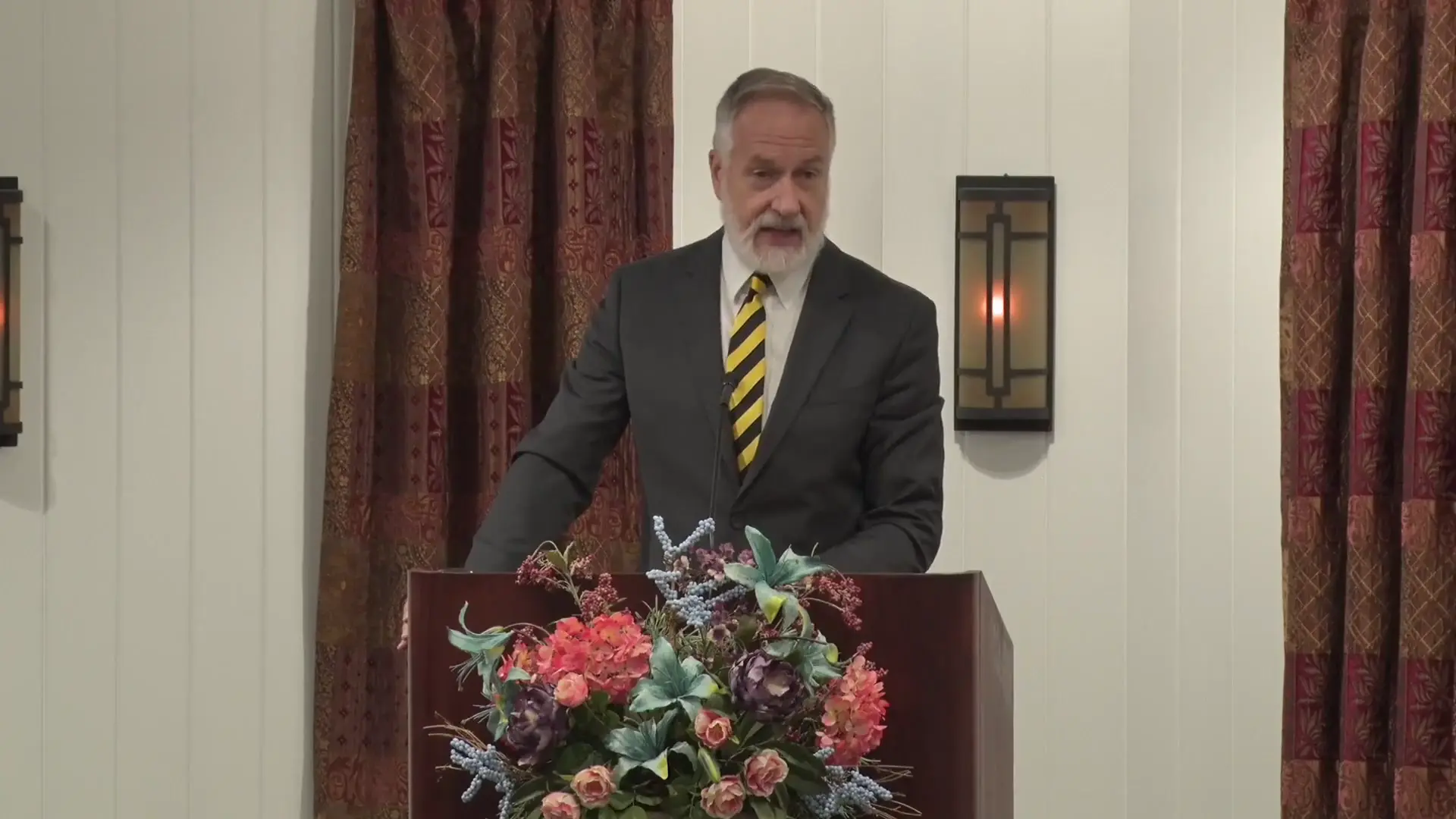
Sermon by James C. StoertzThe account of Sodom illustrates a pattern that begins with the rejection of God and ends in irreversible ruin. Paul's explanation in Romans 1 lays out this progression as a chain reaction: rejection of God despite clear revelation leads to idolatry, idolatry leads to lust and the dishonoring of the body, lust leads to sexual perversion, and finally God gives such people over to a debased mind, one incapable of reasonable self-reflection, marked by twenty-three corrupt attributes including unrighteousness, wickedness, deceit, and hatred of God. This debasement is not confined to those under the law given to Israel, since even Gentiles without that law remain accountable to moral and natural law, the created order itself testifying to God's existence and character. Thus, at every level, from the highest command to love God to the most basic observation of nature, rejecting Him leaves no excuse. This same cause-and-effect principle appears throughout Scripture. The fool who says "there is no God" is described as corrupt and incapable of doing good. Drunkenness leads to dissipation. In Psalm 73, Asaph observes that once a person turns from God, self-evaluation is lost, producing a slippery slope toward ruin. Sodom exemplifies this trajectory: its sins, listed in Ezekiel 16, included pride, excess, idleness, and neglect of the poor, all stemming from a fundamental turning away from God that first manifested as sexual deviance, an early symptom of this rejection. Ezekiel's allegory of three sisters, Sodom, Samaria, and Jerusalem, shows that Jerusalem's rejection of God made her more corrupt than Sodom itself, meaning Sodom, though wicked, is actually more righteous by comparison. This same logic extends to Lot, who is called righteous despite living among the Sodomites, since his awareness of God's truth, however compromised by lingering and compromise, still exceeded that of his surroundings. The broader point is that rejecting God is a matter of degree and progression: once revelation is spurned, deeper corruption inevitably follows, and the further one moves from acknowledgment of God, the closer one comes to irreversible judgment. This trajectory is drawn as a direct parallel to the modern world, particularly the West, which is described as ignorant of God and given over to a debased mind, evidenced by pride, excess, idleness, exploitation of the poor, and the refusal of scientists and even religious institutions to acknowledge the Creator. Just as Sodom was destroyed for its rejection of God's revelation, and Jerusalem was judged for surpassing Sodom's corruption, the modern world stands in the same position, having turned from God despite abundant evidence of His existence and character. The ultimate lesson is that rejecting God is not a single act but a process with escalating consequences, moving from ignoring revelation to embracing idolatry, lust, perversion, and finally a fully debased and unrepentant mind. The call, echoed in Revelation, is to "come out of her," refusing to share in the sins that flow from rejecting God, lest one also share in the judgment that inevitably follows.
Hope to the End (Part Two)
Feast of Tabernacles Sermon by John W. Ritenbaugh (1932-2023)We need these horrific times and conditions to learn the consequences of foolish decisions in order to ensure that nothing like this ever happens again.
Humanism's Flooding Influence (Part Four)
Commentary by John W. Ritenbaugh (1932-2023)If people turn away from God and His laws, the only way they can move is to liberalize toward non-restraint and license.
Humanism's Flooding Influence (Part One)
Commentary by John W. Ritenbaugh (1932-2023)Humanism stems from the Renaissance, a time men felt free to exalt human reason and self-realization over religion and divine authority.
The Commandments (Part Three)
Sermon/Bible Study by John W. RitenbaughIdolatry derives from worshiping the work of our hands or thoughts rather than the true God. Whatever consumes our thoughts and behavior has become our idol.
Hebrews (Part Nine): Chapter 1: Jesus' Exultation and Christianity's Claims
Sermon by John W. Ritenbaugh (1932-2023)Hebrews 1:3 and Psalm 2 explain how Jesus becomes something He previously was not. Because of Christ's qualifications, Christianity has a claim on all mankind.

The Four Horsemen (Part Five): The Pale Horse
'Prophecy Watch' by Richard T. RitenbaughDeath rides a ghastly pale horse and is accompanied by Hades. The Four Horsemen picture God's judgment due to man's rejection of His way of life.
The Spirit of Antichrist
Sermon by Richard T. RitenbaughAll of us have anti-Christ tendencies in us, and must work vigorously to root out the anti-Christ elements within ourselves and to become like Christ.