


Filter by Categories
Did Christ's Resurrection Change the Day of Worship? (Part Two)
CGG Weekly by David C. GrabbeDuring the week of Jesus' crucifixion, there were two Sabbaths involved in the timing of His burial and resurrection. The first was an annual Sabbath, the first day of the Feast of Unleavened Bread, which began at sunset after the day of Passover, a preparation day. This Sabbath was described as a high day. The second was the weekly Sabbath, the seventh day of the week. Jesus was crucified on the preparation day for the annual Sabbath, which fell on a Wednesday in the year of His crucifixion. His body was placed in the grave late that Wednesday afternoon before the high-day Sabbath began. He remained in the grave for three days and three nights, a total of 72 hours, from Wednesday night through Saturday, and He arose on the Sabbath afternoon before sunset. The timing of His resurrection on the Sabbath does not establish the day of worship, as the Sabbath was already set apart and holy by God.
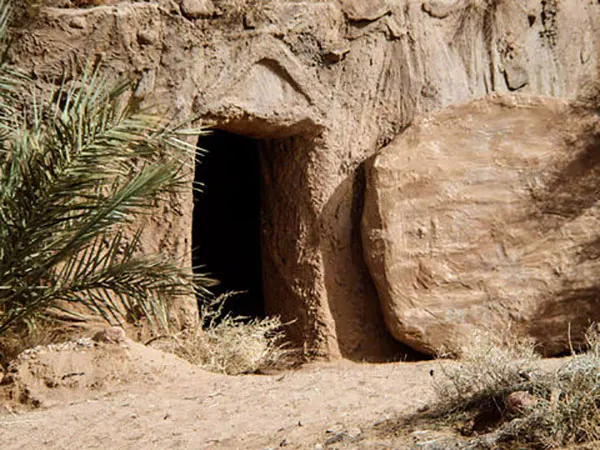
The Resurrection Was Not on Sunday
Herbert W. Armstrong BookletDuring the week of the crucifixion, there were two distinct Sabbaths. The day of the crucifixion was the preparation day for the Passover, and the following day was a high day, an annual Sabbath associated with the feast of Unleavened Bread, which fell on the 15th of Abib. This annual Sabbath occurred on a Thursday in the year of the crucifixion, following the Passover on Wednesday, the 14th of Abib, when Jesus was crucified and buried late in the afternoon. After this annual Sabbath, on Friday, Mary Magdalene and her companions purchased and prepared spices to anoint the body of Jesus. They then rested on the weekly Sabbath, which was Saturday, according to the commandment. This sequence of events, with an annual high-day Sabbath on Thursday and the weekly Sabbath on Saturday, demonstrates that there were two Sabbaths during that crucial week, with a day in between for preparation activities.

Was Jesus Resurrected on Easter Sunday?
'Ready Answer' by StaffThe concept of two Sabbaths during the crucifixion week emerges from the sequence of events surrounding Jesus' death and resurrection. Scripture indicates that Jesus was crucified on Wednesday, the fourteenth of Abib/Nisan, which was the preparation day for the first day of Unleavened Bread, a high Sabbath. After His burial by Joseph near sunset, a Sabbath drew near, marking the beginning of this high day on the fifteenth of Abib/Nisan. Following this high Sabbath, the regular weekly Sabbath occurred on the seventh day, completing the period of three days and three nights that Jesus spent in the tomb. He rose from the grave as this weekly Sabbath ended, precisely 72 hours after His burial, fulfilling His prophecy. This timeline, with a high Sabbath immediately following the crucifixion and the regular Sabbath at the end of the 72 hours, demonstrates the presence of two distinct Sabbaths during that crucial week.

'After Three Days'
Booklet by Richard T. RitenbaughDuring the week of the crucifixion, there were two Sabbaths that played a significant role in the sequence of events. Jesus was crucified and buried on a Wednesday, which was the Preparation Day of the Passover, Nisan 14. The following day, Thursday, was the first day of the Feast of Unleavened Bread, an annual holy day and a high Sabbath. After this high day, the women who had followed Jesus from Galilee returned to their lodging, and on Friday, they bought and prepared spices for His body. They then rested again on the weekly Sabbath, which fell on Saturday, according to the commandment. This indicates two distinct periods of rest within the 72-hour period Jesus was in the tomb. The harmonized accounts of the gospels confirm that Jesus was resurrected at sunset on the Sabbath, as the day ended, fulfilling the exact 72 hours from His burial at sunset on Wednesday. The presence of two Sabbaths—a high day and the weekly Sabbath—within this timeframe is crucial to understanding the precise timing of these events.
Chronic Difficulties
Sermon by Richard T. RitenbaughDuring the week of the crucifixion, there were two distinct Sabbaths that played a significant role in the chronology of events. The first was an annual Sabbath, the first Day of Unleavened Bread, which followed the Passover day, Nisan 14, when Jesus Christ was crucified and placed in the tomb by Joseph of Arimathea just before sunset. The second was the regular weekly Sabbath, which occurred later in the week. This necessitated two preparation days: one for the high holy day and another for the weekly Sabbath. The presence of these two Sabbaths explains the actions of the women who followed Him. After observing the burial on the preparation day for the high holy day, they returned home as the annual Sabbath began. Following this Sabbath, they prepared spices and fragrant oils, likely on the day between the two Sabbaths, as they would not have done such work on a holy day. They then rested again on the weekly Sabbath according to the commandment. Early on the first day of the week, Nisan 18, they rushed to the tomb to complete their preparations, only to find it already empty, indicating that Jesus Christ had been resurrected at the end of the weekly Sabbath, after a full three days and three nights in the tomb, totaling exactly 72 hours as He had prophesied.
Proofs of Christ's Resurrection
Sermon by Richard T. RitenbaughDuring the week of the crucifixion, there were two distinct Sabbaths that played a significant role in the events surrounding Jesus Christ's death and burial. The first Sabbath was the First Day of Unleavened Bread, which followed the Preparation Day, identified as a Wednesday, when Jesus was crucified and buried. This day, also known as the Passover, required preparation for the holy day that ensued, marking it as a high day Sabbath. The second Sabbath occurred later in the week, after which, as the first day of the week began to dawn, Mary Magdalene and the other Mary came to the tomb and found it empty, signifying the resurrection of Jesus Christ. This sequence of events, with the Preparation Day leading into the First Day of Unleavened Bread Sabbath and then the weekly Sabbath, frames the timeline of His burial and the subsequent discovery of His resurrection.