


Filter by Categories
Jesus Christ's Ascension
Sermon by David C. GrabbeAfter His ascension on the fortieth day, Jesus Christ sat down at the right hand of God. This enthronement granted Him dominion, glory, and a kingdom as described in the vision of the Son of Man being brought before the Ancient of Days. The Father instructed Him to sit at His right hand until His enemies become His footstool, establishing His position of honor and rulership. This act combined kingship with priesthood, fulfilling the prophecy of a Priest on His throne who would rule as the Branch. Jesus Christ overcame and sat down with His Father on His throne, a position greater than any angel and above all principality and power. The scroll in the Father's right hand in the vision of the throne represents the title deed to all things, which the Lamb is worthy to take as Heir. This enthronement marked the beginning of His waiting until the restoration of all things, during which He serves as High Priest and gives gifts to the church so that God may dwell among His people.
Jerusalem's Fall and Christ's Return
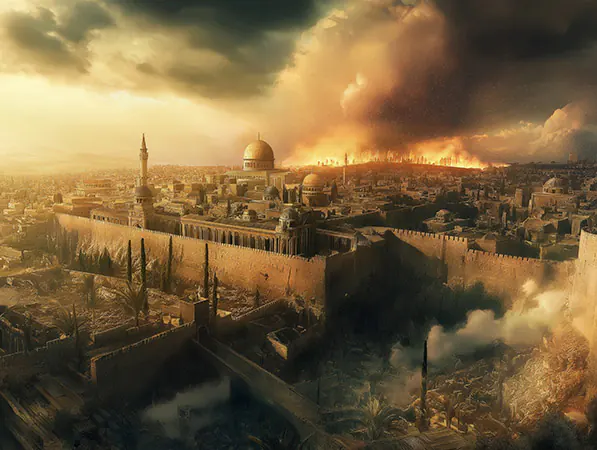
'Prophecy Watch' by Charles WhitakerSome interpreters, called preterists, mistakenly hold that the Bible's prophecies, such as Christ's return, were fulfilled before the first century ended.
God's Throne
Sermon by Richard T. RitenbaughJesus Christ occupies a throne as the King of kings, granting believers the reward of sitting with Him upon it according to Revelation 3:21. This promise forms part of the larger revelation that the faithful will reign with Him, receive power over the nations, and exercise rule with a rod of iron as described in Revelation 2:26 and 5:10. The throne itself symbolizes the sovereign authority Christ exercises in completing the plan of God after opening the seals of the scroll, thereby bringing the divine purpose to its intended fulfillment. The vision of the heavenly throne room in Revelation 4 and 5 places the Son at the center of this authority. While the Father is seen seated in unapproachable light, the Lamb is declared worthy to take the scroll and initiate the final stages of God's kingdom on earth. Those who overcome are invited to share this throne, receiving the same honor, glory, and power that belong to the Son. The scene underscores that Christ's throne is not merely a future possession but the very seat from which He now directs events toward the establishment of His everlasting reign, calling believers to remain faithful so they may participate fully in that rule.
The Great White Throne
Feast of Tabernacles Sermon by Richard T. RitenbaughThe Great White Throne, which belongs to Jesus Christ, appears immediately after the conclusion of the Millennium and the final casting of Satan into the lake of fire. Its description consists of three essential elements. The term great conveys both size and surpassing qualitative excellence, reflecting the absolute dominion, power, and moral perfection of the One seated upon it. This excellence manifests in perfect justice without partiality or bribery, in unwavering equity, and in the capacity to render flawless decisions that always address the heart of every matter. The term white signifies purity, righteousness, and spiritual cleanness untainted by sin, qualities that ensure every judgment proceeding from the throne will be holy and free from error. The term throne itself denotes the authoritative seat from which a sovereign ruler issues decisive, unalterable verdicts that determine the destiny of those who stand before it. Scripture consistently portrays this throne as the source of both severity and goodness. From it flows a river of fire that executes righteous punishment upon the incorrigibly wicked, yet from the same throne also proceeds the river of the water of life that offers salvation and eternal existence to those who respond in repentance. The throne therefore embodies the balanced character of its occupant, who desires that all should come to repentance and receive the opportunity to live joyfully under His rule. During the Great White Throne Judgment the books of the Bible are opened so that those resurrected to physical life may learn God's way, practice righteousness, and be evaluated according to their works in the same manner that the firstfruits are now being judged. Because the throne is occupied by the perfectly righteous and merciful Jesus Christ, those who appear before it need not dread arbitrary condemnation; rather, they may approach it confidently, assured that every decision will be just, kind, and aimed at granting eternal life wherever it is accepted. The same throne before which the resurrected will one day stand is the throne before which the saints presently live and are being prepared to sit with Him in glory.
The Scepter of the Kingdom of God (Part Two)
CGG Weekly by Martin G. CollinsWhen Christ returns, He will take over an existing throne. Jesus is the "Root" and the "Offspring" of David, and He will continue David's dynasty forever.
Searching for Israel (Part Four): The Kingdom and the Key
Article by Charles WhitakerThe enigmatic symbol of the 'key of David' appears twice in Scripture. Significantly, it helps us to identify the descendants of Israel in our day.
The Kingdom of God Scepter Bearer
Sermon by Martin G. CollinsThe seventh trumpet announces the decisive transition from human rule to the everlasting Kingdom of God, when Jesus Christ returns as King of Kings and reigns with a scepter of righteousness. Scripture traces this royal authority through God's promises to Abraham, Judah, and David, culminating in Christ, whose rule will replace the world's corrupt systems with perfect justice, mercy, and authority. While awaiting His return, believers are called not to obsess over when He will come, but to prepare by allowing the King to reign within them now. Through trials, perseverance, character, and hope, God shapes His people into the likeness of Christ. This living hope motivates holiness, obedience, and overcoming, so that when the King appears, His faithful followers may share in His eternal Kingdom.
The Bethel Stone
Sermon by Kim MyersThe Stone of Scone (Stone of Destiny or Bethel Stone) affirms God's Davidic covenant that his offspring would occupy the throne of David perpetually.
The Scepter, Duty, and the Days of Unleavened Bread
Sermon by Mark SchindlerGod has honored His promise to David that He would always provide a member of his family to sit on the throne of Judah. The heirs to David's scepter live today.

From Both Sides Now and the Feast of Tabernacles
Feast of Tabernacles Sermon by Mark SchindlerThe disillusionment experienced by all living under the sun can only be cleared up under the perfect government of Jesus Christ.

From Both Sides Now and the Greatest Day
Feast of Tabernacles Sermon by Mark SchindlerWe must know both where we are starting and where we are going, having absolute faith that we will get there. If we do, taking that last step will be as certain as the first.
Why Such Confusion About the Kingdom of God?
Sermonette by Craig SablichIn Matthew 6:33, Jesus states that seeking His Kingdom is our primary goal. Most Christian organizations have no concept of what the Kingdom of God is.
Psalms 90-100
Sermon/Bible Study by Richard T. RitenbaughPsalms 90-100 are prophetic, having a definite time progression, especially referencing the time frame between the Feast of Trumpets to the Last Great Day.
The Eternal Privileges of the Bride
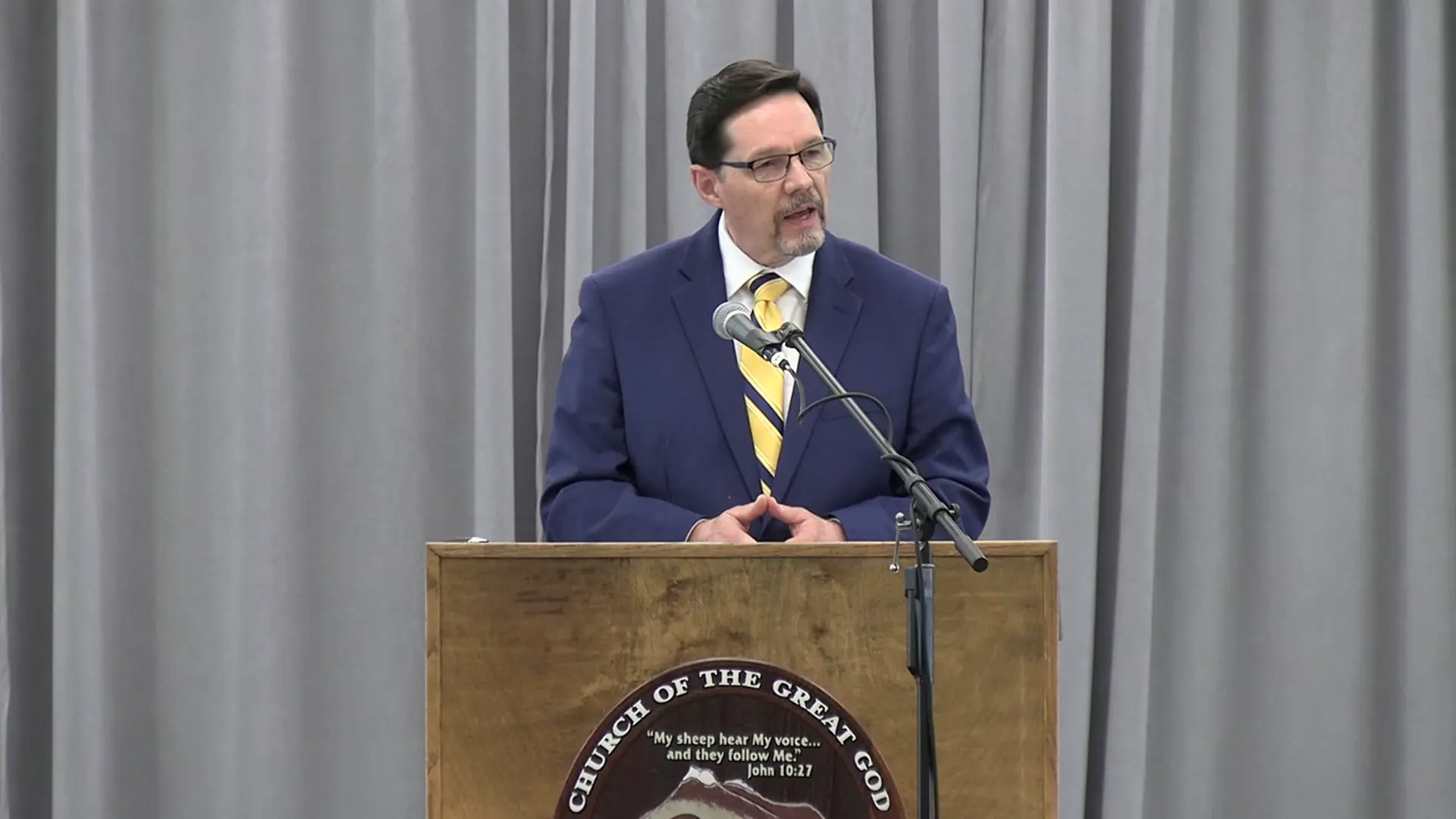
Feast of Tabernacles Sermon by Martin G. CollinsJust as a bride gains a new identity, name, and inheritance through marriage, God's chosen saints, share Christ's very life, glory, and eternal prospects.
Hebrews (Part Eleven): A Simple Recap
Sermon by John W. Ritenbaugh (1932-2023)Most of the attrition from the truth stems from losing interest. Drifting away is rarely intentional, but the result of choosing to live carnally.
Letters to Seven Churches (Part Eight): Overcoming
Sermon by Richard T. RitenbaughEach of the letters in Revelation 2 and 3 speak of overcoming. By examining those churches, we can understand what we are up against and what we must do.
Elements of Judgment (Part Four)
Sermon by John W. Ritenbaugh (1932-2023)We need to learn to judge in a godly manner, putting merciful restraints on our tendency to condemn or jump to conclusions. One size does not fit all.