


Filter by Categories
The Bethel Stone
Sermon by Kim MyersThe Stone of Scone (Stone of Destiny or Bethel Stone) affirms God's Davidic covenant that his offspring would occupy the throne of David perpetually.
Amos (Part Nine)
Sermon/Bible Study by John W. RitenbaughAncient Israel regarded Bethel, Gilgal, and Beersheba as a sacred shrines, but were not becoming spiritually transformed as a result of pilgrimages.
Amos (Part Ten)
Sermon/Bible Study by John W. RitenbaughGod requires a higher standard of righteous behavior from those who have consciously made a covenant with Him and are acquainted with His Law.

Prepare to Meet Your God! (Part One)
Article by John W. Ritenbaugh and Richard T. RitenbaughBethel held significant religious meaning to the common Israelite due to its historical connections. Jeroboam I set up a golden calf at Bethel, establishing it as a center of worship since the city was linked to the days of Jacob. However, the Israelite religion at Bethel displeased God on two counts. First, the people were guilty of following Jeroboam I's sin by combining the worship of the true God with idolatry, which God despises. Despite their fervent sacrifices at these pagan shrines, their focus was not on the God of heaven, as their worship originated from human conception rather than divine command. Second, their religion was self-pleasing; while they felt good about their careful observance of worship, they neglected their social responsibilities, failing to love their neighbors, engaging in ritual sexual indulgence, and despising authority and law. God denounced their religiosity, declaring that such worship would bring them no benefit because it was not founded in Him. Amos, in his prophetic approach, likely went into Bethel, one of Israel's chief cities, to deliver his powerful message, initially denouncing the sins of surrounding nations to capture attention before swooping down to condemn Israel's own moral and spiritual failures.

Amos 5 and the Feast of Tabernacles
'Personal' from John W. RitenbaughBethel holds a significant place in Israel's history as a site of transformation and renewal. It was there that Jacob, one of the fathers of Israel, encountered God on two pivotal occasions, marking the beginning of his transformation and receiving the new name Israel, symbolizing his changed identity. In the minds of the Israelites, Bethel became associated with a place where God revealed Himself and initiated personal change. However, Amos challenges this perception, questioning why the Israelites are not being transformed in their conduct and attitude when they keep the feasts at Bethel. He points out that despite attending the feasts there, their lives remain ungoverned by God's truth, showing no evidence of the change that should accompany such encounters with God. Amos warns them not to seek Bethel as a mere location for celebration, but to seek the Lord and live, emphasizing that the Bethel approach, without genuine transformation, leads to death rather than life.
Amos 5 and the Feast of Tabernacles
Sermon by John W. RitenbaughIf we go to the Feast with the goal of physically enjoying, we may lose out on both the spiritual and physical benefits. 'Going through the motions' defiles it.
Amos (Part Eight)
Sermon/Bible Study by John W. RitenbaughAmos severely chides Israel for exalting symbolism over substance, superstitiously trusting in locations where significant historical events occurred.
Amos 5 and the Feast
Sermon by John W. Ritenbaugh (1932-2023)Just because we keep God's feasts does not necessarily mean we are in sync with God's Law or intent. The Israelites kept the feasts in a carnal manner.
Amos (Part One)
Sermon/Bible Study by John W. RitenbaughAmos gives a series of dire warnings, beginning with Israel's enemies, but concluding with a blistering indictment on Israel herself for her hypocrisy.
Elijah's Dose of Reality
Article by Richard T. RitenbaughSometimes, we get down because we think that all our labors for God have gone unnoticed. Elijah did, and his story points out a major lesson for us all.
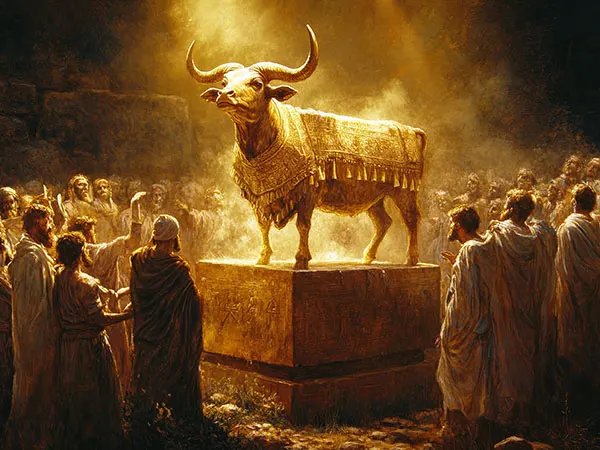
Prepare to Meet Your God! (Part Five): Religion and Holiness
Article by John W. Ritenbaugh and Richard T. RitenbaughIsrael's false religion, epitomized by the altars of Bethel, lies at the heart of her spiritual and societal decay. The violence and injustice permeating Israelite society originated from the corrupt teachings proclaimed from these centers of worship. Under Jeroboam I, the true worship of God was altered, leading the people into a syncretic faith that blended falsehood with divine truth, a practice detestable to God. The religion at Bethel, though marked by sincere rituals and sacrifices, lacked righteousness, morality, and justice in daily conduct, rendering it despicable in His sight. God saw no devotion to Him or fellowship among the people, as their offerings at Bethel failed to reflect a true relationship with Him or a commitment to His way of life.
The Sacred Assemblies
Sermonette by David C. GrabbeThe Last Day of Unleavened Bread and the Eighth Day are the only designated "sacred assemblies," which require a greater degree of solemnity for reflection.
Hosea's Prophecy (Part Six)
Sermon by Martin G. CollinsModern Israel is repeating the same sins as ancient Israel. God's metaphors of the promiscuous wife, stubborn heifer, and rebellious child all apply to America.
Prayer and Seeking God
Sermon by John W. RitenbaughRather than having an apathetic relationship toward God, we must ardently, earnestly, and fervently seek God in order to imitate His behavior in our lives.
Amos (Part Eleven)
Sermon/Bible Study by John W. RitenbaughAncient Israel had at the core of its religion an obsession to please the self at the expense of justice and the best interests of the disadvantaged.
The Doctrine of Israel (Part Four): God's Indictment
Sermon by Richard T. RitenbaughEven though Jacob's offspring have had a special relationship with God, their carnal nature led them to test God's patience, growing more corrupt than even Sodom.
Amos (Part Thirteen)
Sermon/Bible Study by John W. RitenbaughThe people to whom Amos writes have the mistaken assumption that because they have made the covenant with God, they can bask in a kind of divine favoritism.
Amos (Part Seven)
Sermon/Bible Study by John W. RitenbaughGod, through His prophets, warns that He will chasten His people with increasing severity until they repent and begin to reflect His characteristics.
Hosea's Prophecy (Part Three)
Sermon by Martin G. CollinsModern Israel has a form of religion, but it is empty and unsatisfying because it refuses to obey God and substitutes the traditions of man in its place.
Deception, Idolatry, and the Feast of Tabernacles
Sermon by John W. RitenbaughJeroboam, pragmatic and fearful, established a more convenient idolatrous festival to prevent his people from keeping the real Feast of Tabernacles in Judah.