


Filter by Categories

Holy Days: Passover
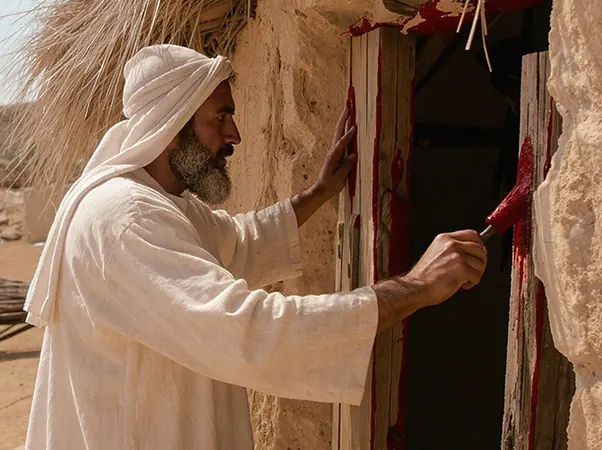
Bible Study by Richard T. RitenbaughPassover, as first observed in Egypt, marks a significant step in God's plan to bring His people into closer communion with Him. God commanded each Israelite family to select an unblemished lamb on the tenth day of the first month, Abib, also known as Nisan. On the fourteenth day at twilight, they were to kill the lamb and place its blood on the doorposts and lintels of their homes. This blood served as a sign to the Death Angel to pass over their houses, sparing their firstborn while the firstborn of the Egyptians perished. They then roasted and ate the lamb as a distinctive meal, symbolizing not forgiveness of sins but the redemption or purchasing of the Israelites from Pharaoh. This act reflects God's gracious initiative in redeeming His people, setting the foundation for an ongoing relationship with Him.
Is the Passover Just a Sin Offering? (Part Two)
Article by David C. GrabbeThe instructions for the first Passover observance in Egypt begin with selecting a lamb sufficient for each household on the tenth day of the month, followed by applying its blood to the doorposts and lintel before eating the roasted flesh with unleavened bread and bitter herbs on the night of the fourteenth. Participants were to consume the entire animal without waste, dressed for immediate departure, and the blood served as the decisive sign that distinguished Israelite houses. This blood represented life rather than payment for sin, functioning as the mark by which God passed over the dwellings and spared the firstborn within them from the destroyer. The emphasis throughout the account falls on eating the specially prepared lamb, an act that set the observance apart from any sin offering. In the Egyptian context the blood signified redemption from Pharaoh's legal claim on Israel as resident aliens in his land, purchasing the nation as God's firstborn son and delivering the households from bondage. God's action stemmed from His covenant with Abraham, by which He chose to extend mercy and exemption to a people still entangled in idolatry. The Hebrew term pecach conveys this pretermission, an overlooking of sin rather than its removal or atonement. No mention of forgiveness appears in the Passover instructions; instead the focus remains on God's faithfulness in remembering His promise to bring Abraham's descendants out of affliction and into the land. The blood on the doorposts thus testified to divine protection and the pledge to redeem the nation, establishing the foundation for all subsequent observances of the festival.

Passover: An Extraordinary Peace Offering
Sermon by David C. GrabbeThe Passover in Egypt provides a foundational understanding of this significant feast. God gave detailed instructions to ensure that every person had enough of the Passover lamb, but without waste. He specified when it should be eaten, how it should be prepared, what should accompany it, what to do with the remains, and even how the Israelites should be dressed while eating. The emphasis in these instructions is on the eating of the specially prepared lamb, distinguishing it from other offerings. In the context of the Passover in Egypt, there is no mention of forgiveness or atonement. Instead, the focus is on purchase or redemption from Pharaoh, not from sin. God warned through Moses that all firstborn in Egypt would die, including those of Israel, unless they proved their desire to be separate from the Egyptians by marking their doorposts with the lamb's blood. This blood represented the life of the lamb given to redeem those within each participating house, not to symbolize forgiveness. Despite the Israelites' grievous sins and idolatry at that time, God overlooked their transgressions, demonstrating His mercy rather than justice. The Hebrew word for Passover, pesach, means a pretermission or exemption, indicating that God passed over Israel and their sins without addressing them directly. The Passover in Egypt was not about cleansing from sin, as the Israelites were not required to repent of their idolatry. Instead, it served a different purpose, showing God's gracious acceptance of a sinful nation. This exemption, this act of mercy, highlights God's incredible patience, even as He delivered one nation of idolaters from another. The Passover thus stands as a demonstration of God's willingness to initiate fellowship with Israel despite their unworthiness, setting the stage for a relationship marked by His profound grace.
Eat in Haste?
Sermonette byThe Israelites were to eat the Passover, not in haste, but with serious reflection. The only thing standing between them and death was the blood on the doorpost.

Why Was Jesus Not Crucified as Passover Began? (Part Two)
'Ready Answer' by David C. GrabbeThe account of Israel's exodus from Egypt reveals the significance of the timing of key events related to Passover. The Israelites killed the lambs after sunset as the 14th day of Abib began, smearing the blood on their doorposts. They roasted and ate the lambs, burning the remains, and at midnight, the Death Angel passed over, slaying the firstborn of those not under the blood. The Israelites stayed in their houses until daybreak, then finished spoiling the Egyptians before traveling to Goshen. They departed Rameses on the 15th day, the day after the Passover, at night as Abib/Nisan 15 began, marking a solemn observance. This event aligns with the very same day, 430 years earlier, when God made the initial covenant with Abraham, pointing to the timing of promises and preparations that resonate with the Passover in Egypt.
Head 'Em Up and Move 'Em Out!
Sermonette byCan 2½ million people (with livestock and possessions) move out of a location (Ramses in Goshen) in five hours?

Never Forget
Sermon by Ryan McClureAfter Adam and Eve sinned, God provided them a vivid introduction to death, perhaps killing an animal in their presence to make tunics for them to wear.
Remember Me
Sermonette by Ronny H. GrahamGod asks that we use the Passover to bring to remembrance His redemptive act, especially how our sins caused Christ to die in our stead.
Rehearsing God's Plan
CGG Weekly by Richard T. RitenbaughGod's holy days are a carefully crafted series of memorials that tell the story of God's magnificent plan of salvation, told in a set of parable-like vignettes.
Freedom the Right Way
CGG Weekly by Richard T. RitenbaughLike the Israelites, we do not have to take up arms to break our shackles. God secured our freedom for us by His gracious gift, and He wants us to use our freedom.
Matthew (Part Twenty-Three)
Sermon/Bible Study by John W. RitenbaughThe apostles' inability to drive out the demon teaches that faith is not a constant factor; it will deteriorate if it not exercised through prayer and fasting.
Appointments
Sermon by Clyde FinkleaGod established the weekly Sabbath on the seventh day of Creation; He established His Holy Days (moedim) on the fourth day. These are His appointments.
The Wilderness Trek and Judgment Begins
Sermon by John W. Ritenbaugh (1932-2023)God's people must learn to trust Him for their survival, remembering that the eating of Unleavened Bread is a reminder that only God has the power to rescue.
Lessons from the Count to Pentecost
Sermon by Mark SchindlerThe Sabbaths midway through the count to Pentecost represent times of faithlessness among our ancestors who complained about food and rejected God's leadership.